Viva verbena
It has been a testing season in the garden. I am tired of struggling with the hose every night (we are on a well so can use the hose) and most of the garden is looking tired; hedges and trees are dropping brown leaves. But, to be upbeat, I am turning attention to a plant that has enjoyed the warmth and constantly delights.
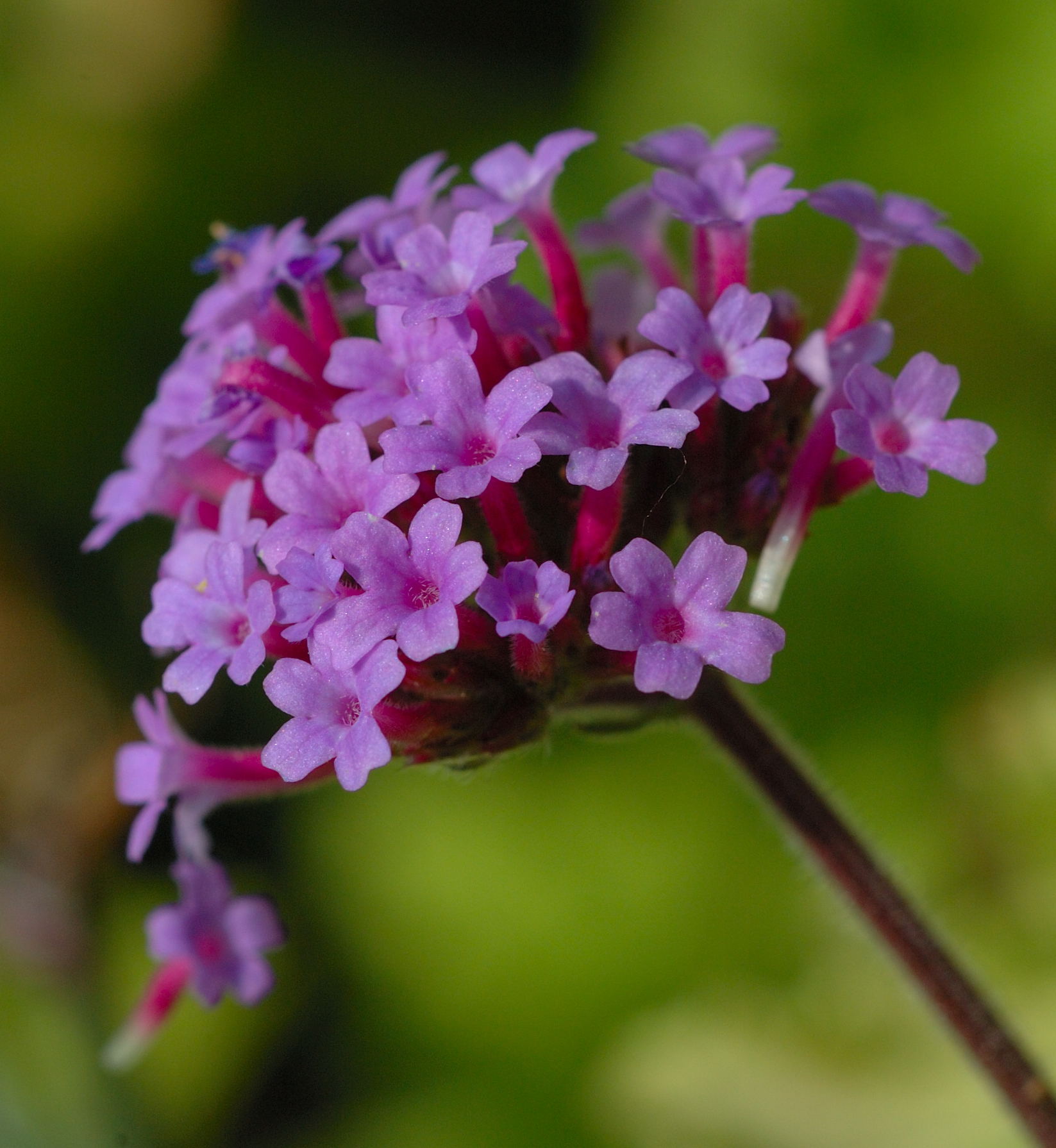
Verbena bonariensis is an herbaceous plant from South America from Chile and Brazil to Argentina which explains the epithet ‘bonariensis’ – from Buenos Aires. It is not a rare plant in gardens and has become a bit of a cliche because it has so many uses and good qualities.
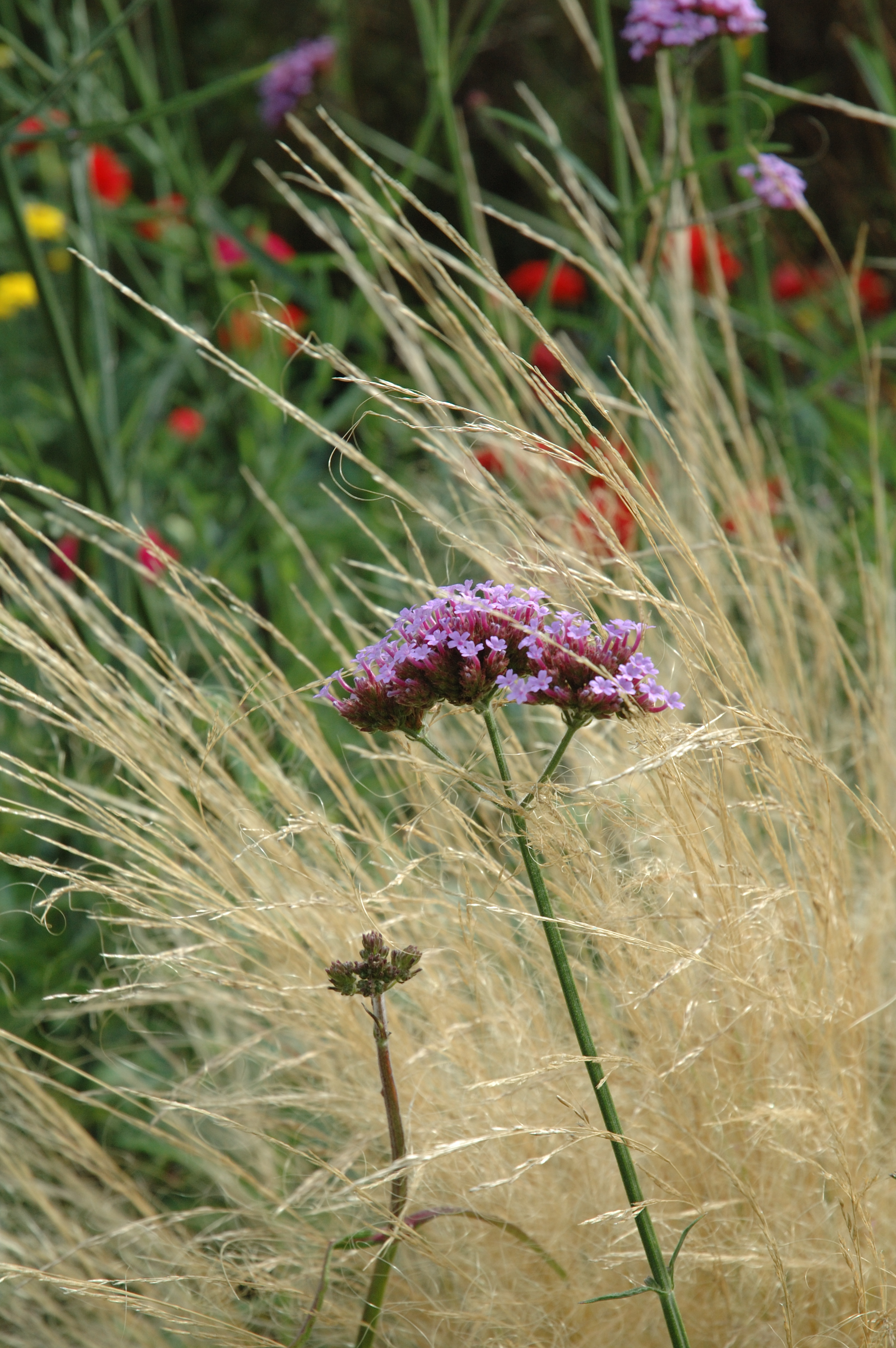
It has surged in popularity since the idea of ‘prairie gardens’ became all the rage. It has a stiffly upright habit with small leaves and angular stems and dense clusters of tiny flowers. They sway in the breeze but are self supporting. They contrast well with arching grasses. It is also often described as ‘see through’ because of the tiny leaves so you do not have to restrict it to the back of a border despite the height being (usually) 1.5m.
It prefers a well-drained soil and it may die in winter if the soil is wet, though it survives better than I might expect in my soil. It is hardy and also resistant to drought, though one old plant in the garden is suffering at the moment and the leaves are crispy, though it is still in bloom. It is also notably resistant to pests and diseases though powdery mildew can be an issue at the end of the season if the plants are water stressed.
Of course it is also a great plant for pollinators and is loved by bees and butterflies. Each flower cluster continues to produce tiny flowers for many months. When the very first bloom opens it is so tiny you wonder how the plant can possibly have any visual impact but slowly the number of blooms increases and, before you know it, there must be thousands of blooms.
It surprises me that, for a plant that is so commonly grown, there are so little variations. There is ‘Lollipop’ which is shorter, at about 60cm, but I do not want that – it is like declawing a cat. But there seems to be no variation in flower colour. I would welcome some darker or lighter shades and a mix of them would be an advantage. And how is there no white (albino) variation? Most (but not all) plants produce white-flowered variants and it is unusual that this has not happened in this verbena. It would be very welcome, especially as the plant drops the flowers before they turn brown so it would always look fresh – white-flowered variants lose their value when the brown blooms hang on and soil the crisp effect.
This year I moved some plants, grown from seed last year, to a narrow bed to create an airstrip for the butterflies. Moved in March as they started to grow, they settled in well and have loved the summer heat.
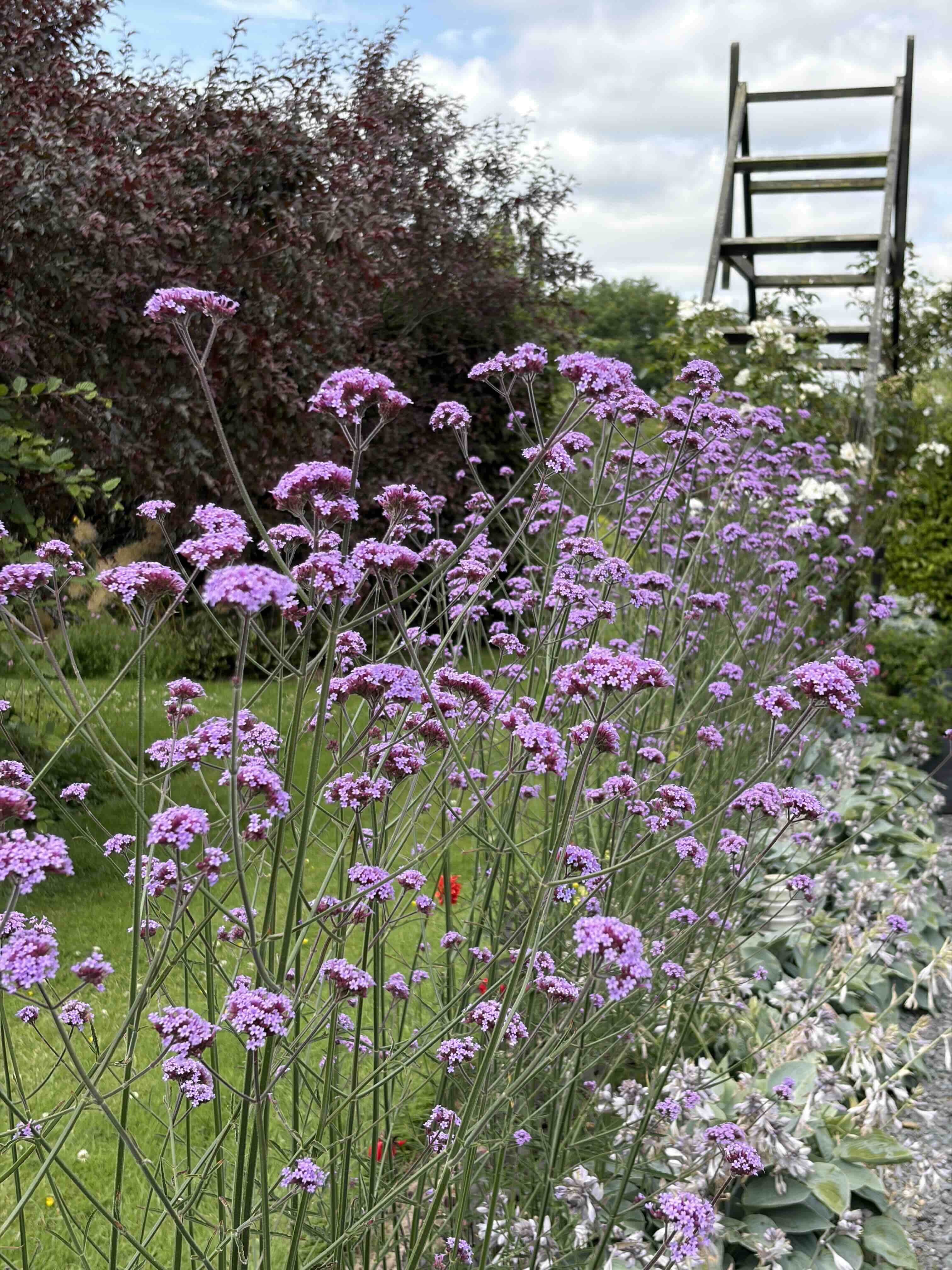
One of the good (and bad) features of the plant is that it self seeds, often freely. I was able to dig up and pot many seedlings this spring and I am popping lots in new places. This is a plant that you just can’t have too much of.
I do appreciate that if it starts to seed into gravel or among small plants it might be a nuisance but it is a plant that just blends in so well into almost every place that I really feel it will be several years before I start to curse it. To have something that is showy, good for wildlife, is colourful for many months, is hardy, easy to pull up in the wrong place, that will self seed and does not need staking, spraying and will even last quite well in a vase (though it does drop teeny tiny flowers which bugs me) I am happy to be happy.


I wish this verbena would do better in my garden. There are usually a few plants here and there, but for some reason they don’t self-seed reliably and die out in the winter, despite my well-draining soil. I’m envious when I see groups of them doing well. Maybe it’s because of all the shade at my place.
Perhaps it is the shade. My soil is dreadful and not much self seeds, apart from weeds, but the verbena does pop up widely. It is scary raisin seedlings because they are so small at first and are so easy to overwater but this year I dug up seedlings about 8cm high and potted them and despite wilting at first they pulled through.
Love the ‘airstrip’! We treat them as annuals here, but as you note, if we’re lucky they’ll self seed year to year, but that means generally no blooms until mid to late summer.
They bloom well the first year here but, as you say, a bit later than when they overwinter