A grand day out in Dublin (Botanics)
The sun was shining Saturday and the forecast is for rain Sunday so I headed north yesterday to the Botanic Gardens at Glasnevin again. My main aim was to see the peonies which were in tight bud last time I went. Assuming that the city’s warmth would have coaxed them open earlier than here in Wexford I was hoping to see lots in bloom. My timing turned out to be immaculately imperfect. The species were all over, the ‘lactiflora’ hybrids were not yet out and the tree peonies were all over too! But a garden like this always has plenty of interest so here is just a selection of things that caught my eye.

Weigela x wagneri. Of all the many weigelas, mostly species and older hybrids, this stood out because of its full habit and the way the flowers simply covered the bush. I can’t find any reference to the plant at all so I doubt if it is in the trade. It was a large shrub, 2.5m high and wide and most breeding today is for small shrubs and plants with coloured foliage so this is not going to be available in garden centres any time soon. But it was a lovely plant.
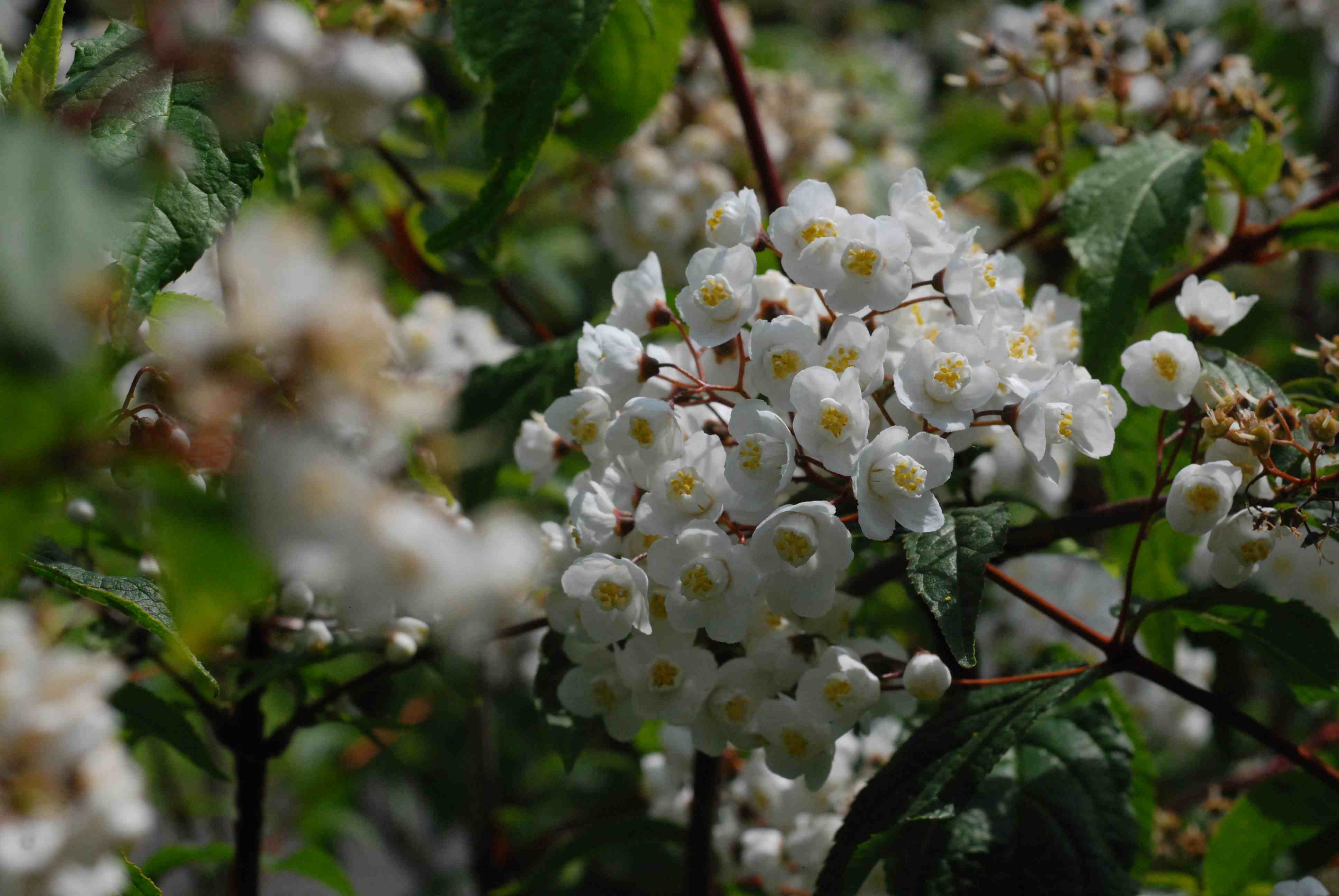
Deutzias don’t make my heart skip a beat but they are nice enough. There is a large collection of them, next to the weigelas and philadelphus, and it was interesting to see them side by side. Deutzia rubens was named in 1911 and is from Central China. I loved the airy nature of this and the rounded clusters of globular flowers. Descriptions say the flowers are pink, which would make sense from its name ‘rubens’ but they didn’t have much of a pink flush to my eyes.

In case anyone thought I was being rude about Antipodean plants yesterday I have included two today to redress the balance. This gem is Richea scoparia which is a prickly, dense shrub from Tasmania where it apparently hampers hikers. I always knew it as being in the epacridaceae but it seems it is now in the heather family (Ericaceae). It eventually reaches 1.5m high so this plant is fully grown. The next photo shows the flowers.
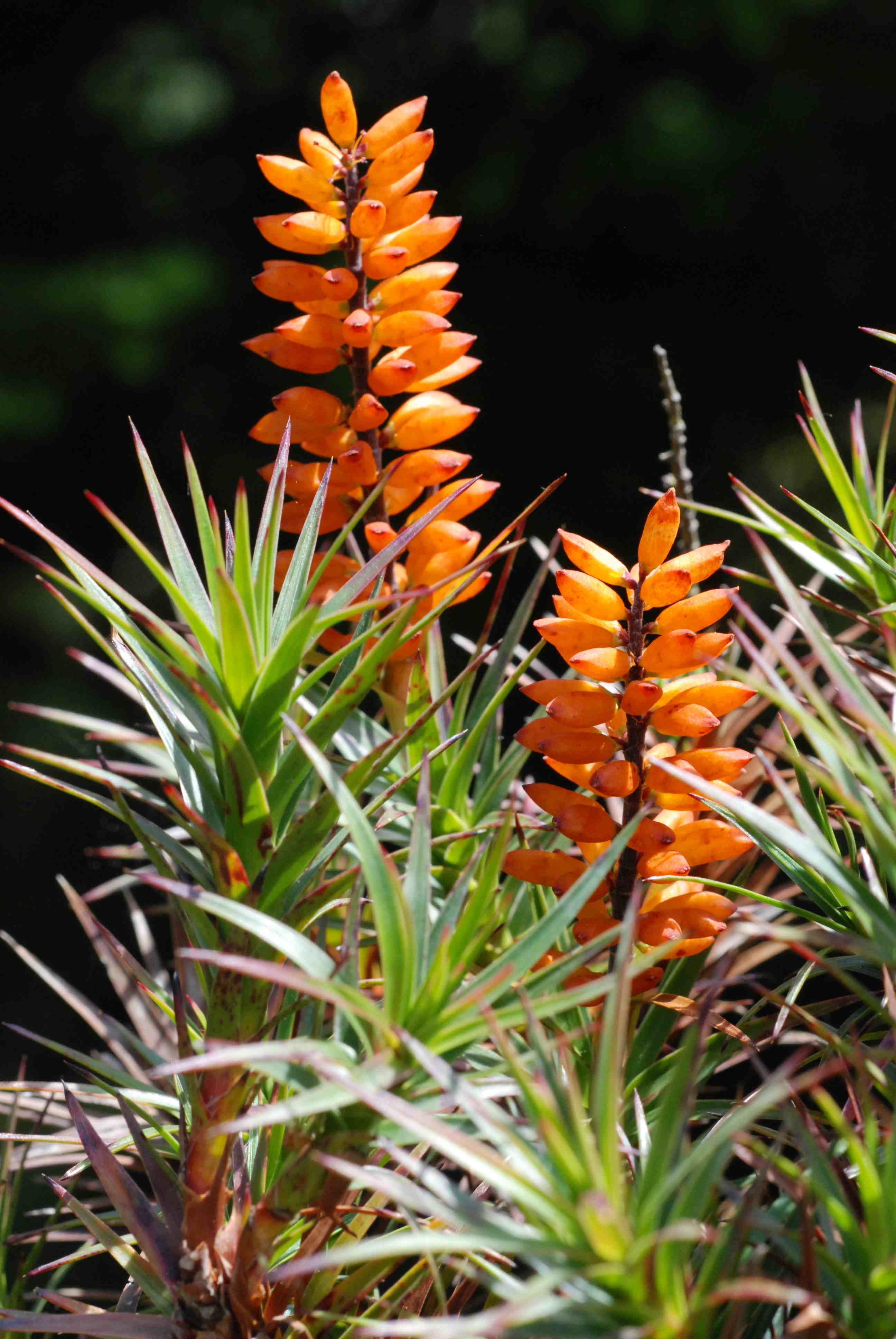
The flowers are very odd because the petals form a cap and they do not open, which prevents pollination. But in one of those amazing associations of plants and animals, a native lizard bites off the caps to get at the nectar and insects can then pollinate them – amazing! Apparently wallabies are fond of a nibble on the flowers too – they must have a sweet tooth.

Nobody really seems to like Neillia thibetica but I think it’s an elegant and attractive shrub. Native to western China it reaches about 2m high, with arching branches, attractively shaped leaves and bronze new growth. The flowers are rather like Ribes sanguineum but held horizontally in a zig-zag fashion along the stems. The flowers are popular with bees.
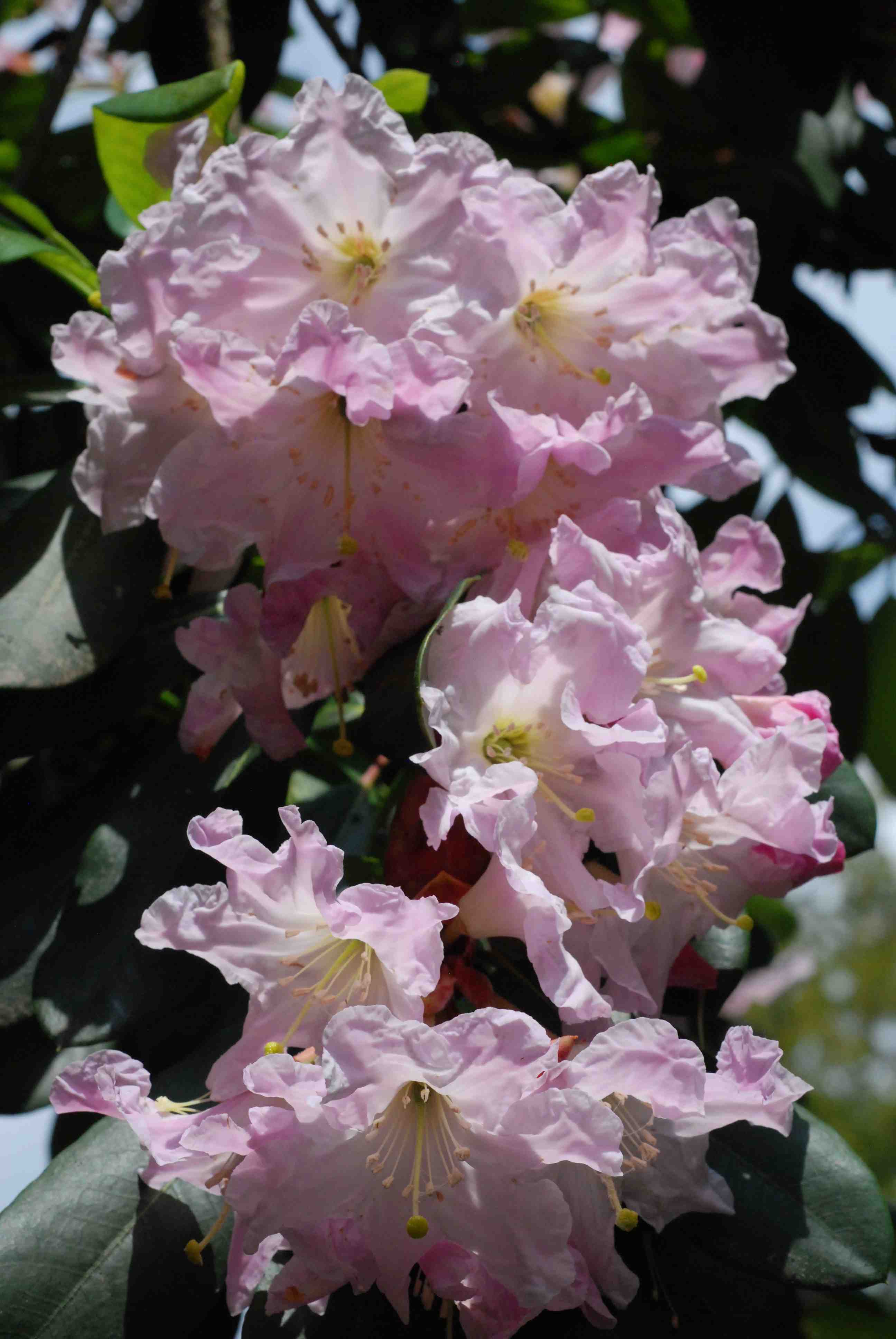
Rhododendron decorum is a big species from Sichuan, Burma and Yunnan and was introduced to the west in 1887. The pink flowers are lightly scented and very beautiful. It is among the latest to bloom and is a parent of the very late and notable white rhodo ‘Polar Bear’.

Dictamnus albus, commonly known as the burning bush because the leaves release a volatile oil that can be ignited. But before you try to set light to it enjoy the beautiful flowers.
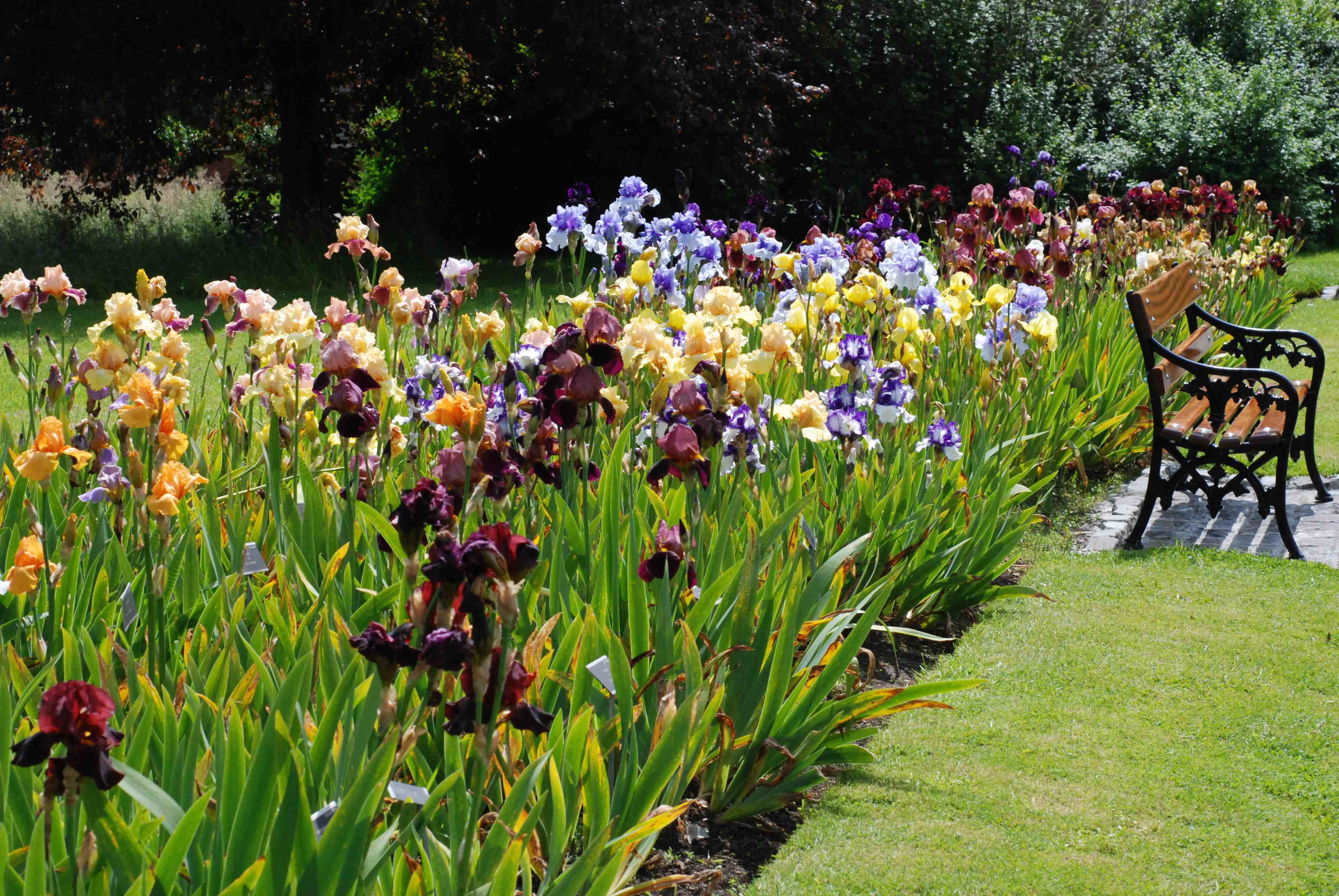
Of course there are iris at the gardens. A long bed contains an interesting collection that includes some old hybrids up to more modern flowers.

‘Depute Nomblot’ is a thing from the ark that looks dated but has its own charm. It was introduced by Cayeux in 1929 and won a French Dykes Medal in 1930

‘Realm’ is another oldie, raised by ‘Baker’ in 1920.

A few tree peonies were just about holding onto their last blooms. Paeonia lemoineii ‘Argosy’ is an American hybrid, a repeat cross of that carried out in France by Lemoine between P. lutea and P. suffruticosa
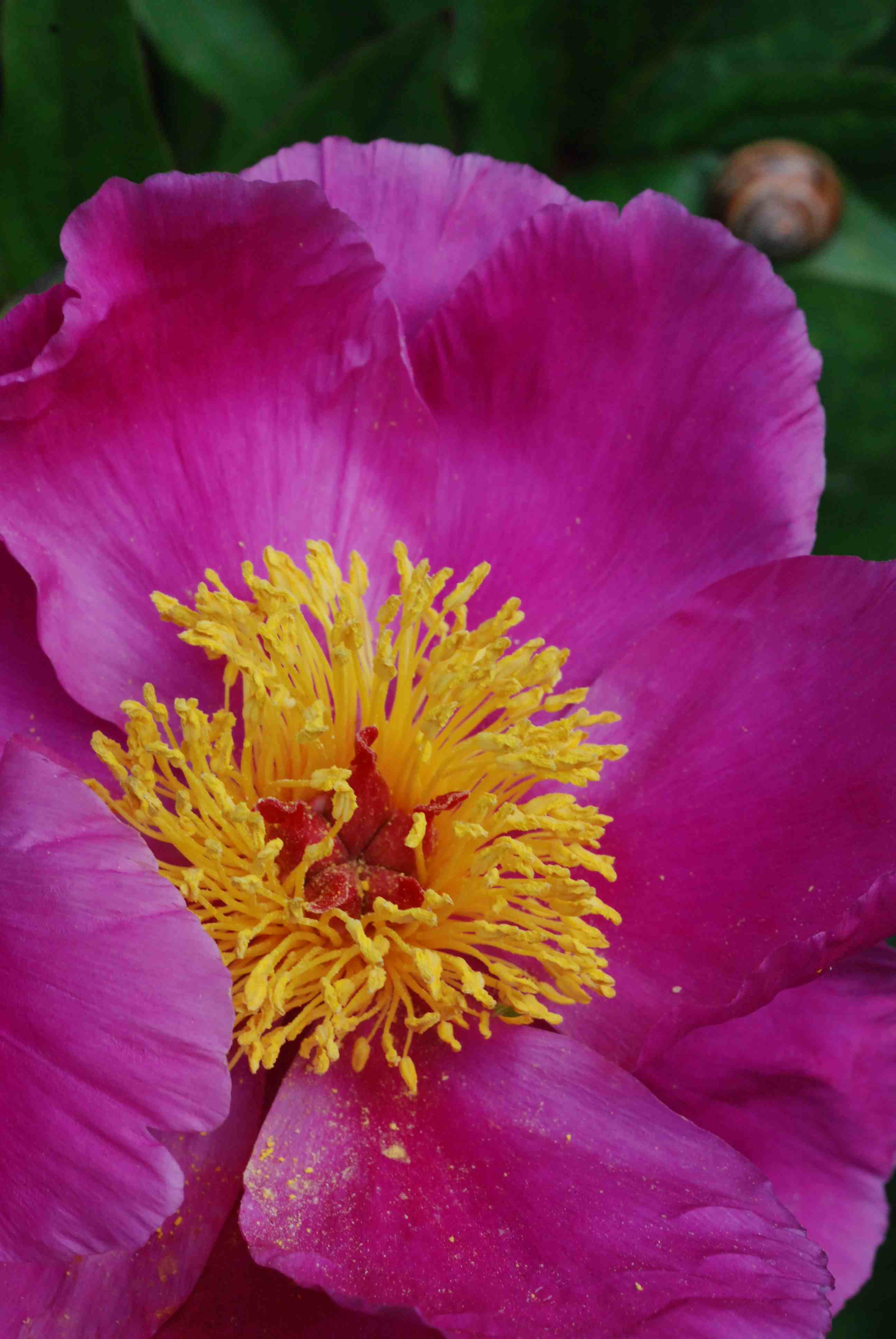
‘Gayborder June’ sounds sounds more like a lesbian lodger than a peony. Unfortunately, although that was the name on this plant it is not what it is since she is a double pink. But this is nice anyway
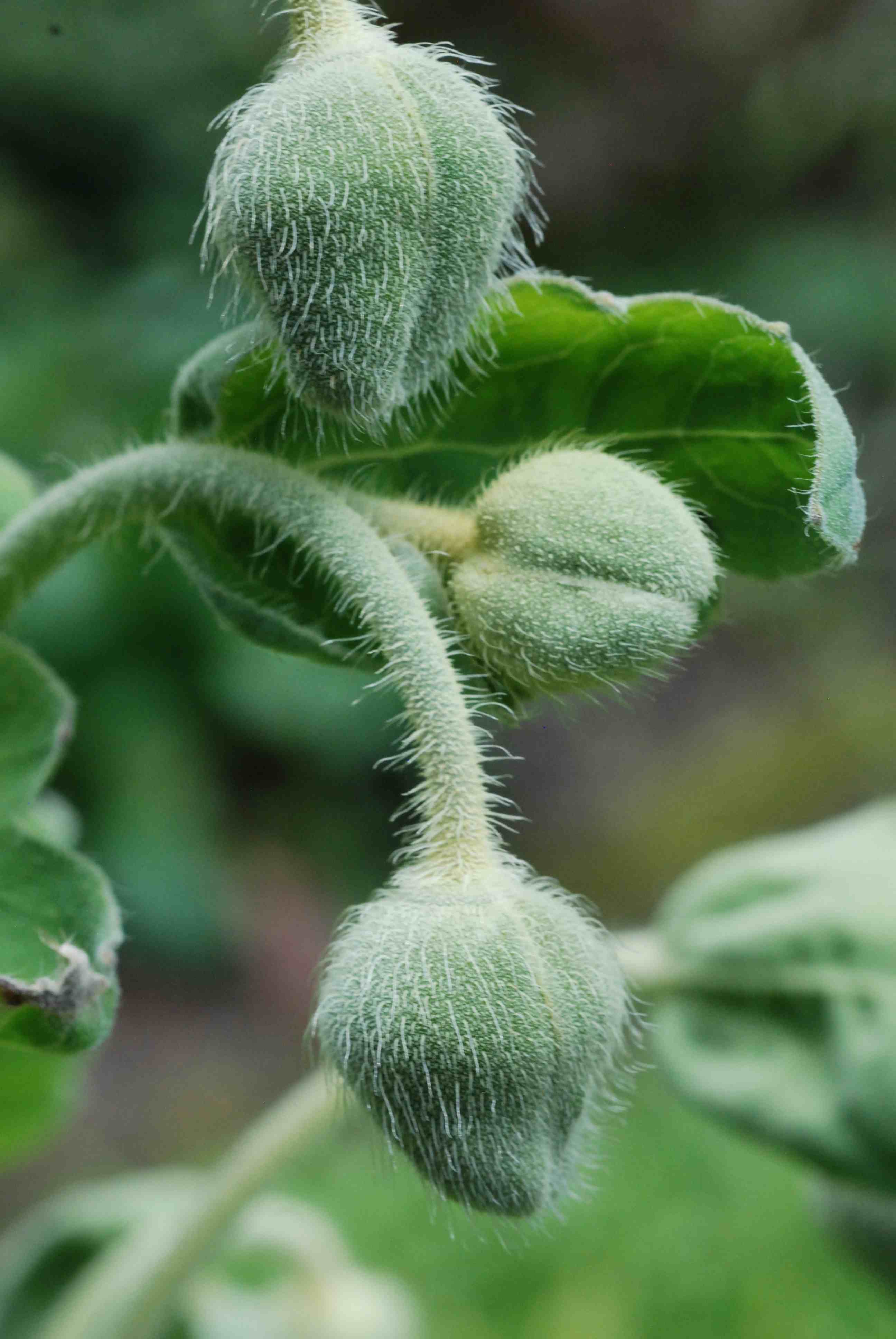
The crumpled blooms of Meconopsis regia were opening but as I was looking through the viewfinder I kept being drawn to the unopen buds

One of the best of the ‘other’ lilacs (not Syringa vulgaris) is S. josiflexa ‘Bellicent’ and this happy bee agreed

Another happy bee was forcing its way into this Iris pseudacorus flower to get to the nectar

A bed was filled with the astonishingly beautiful Tropaeolum polyphyllum. From adventurous tubers that bury themselves 60cm deep snake 1m stems that slither across the soil. The blue-green leaves are beautiful and the upper part of the shoots are covered in buds and then glorious yellow flowers. It is hardy but needs well-drained soil and patience and is native to the Chilean Andes

Of course it would be wrong to ignore the potato vine – Solanum crispum ‘Glasnevin’

More on this later but the carpet bedding is being planted – one bed is not yet completed. I know it’s not everyone’s cup of tea but I love it
 The Biking Gardener
No comments yet.