Araceae:3
Houseplants
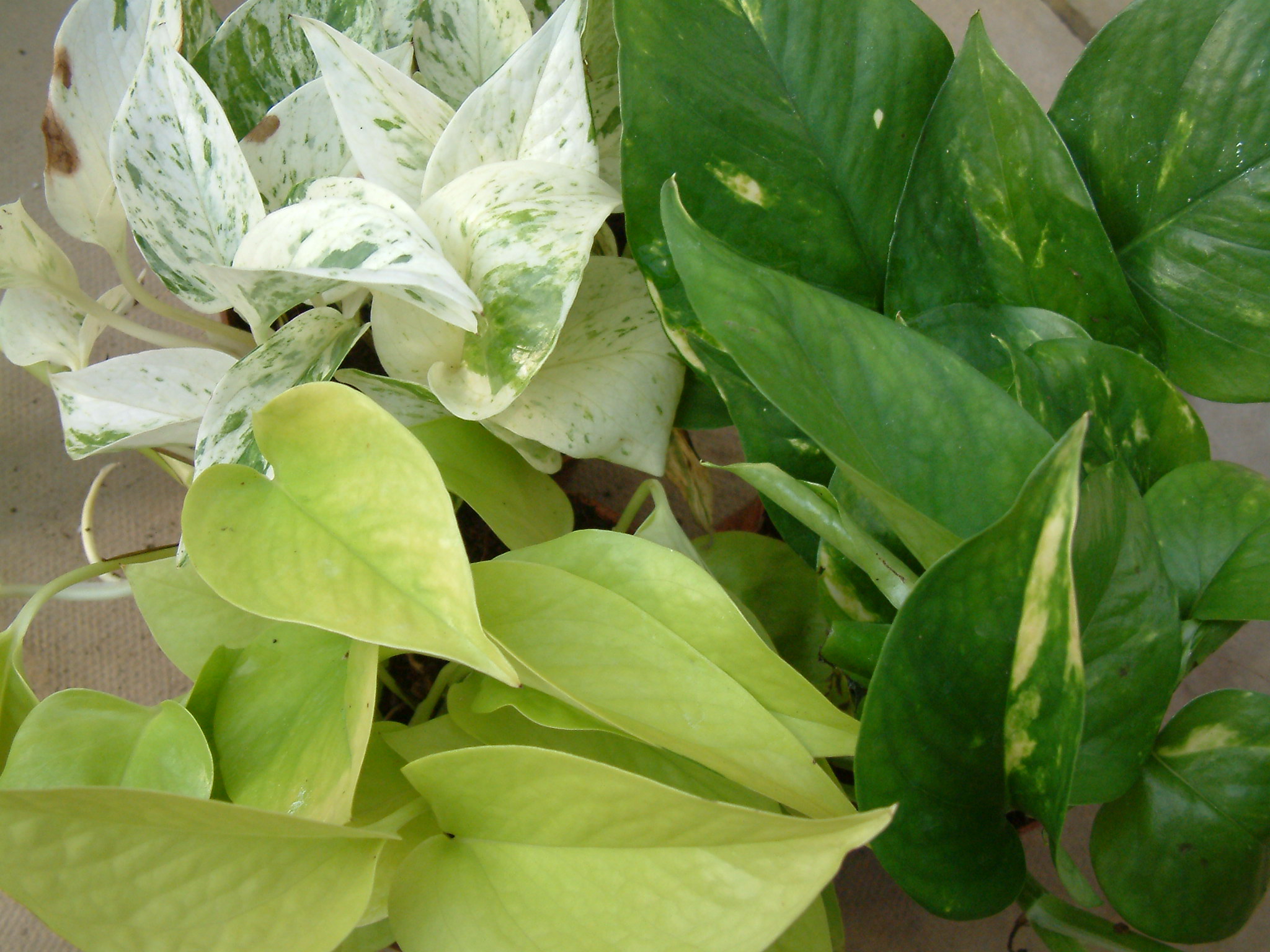
Viewed from a temperate-climate perspective, the Araceae is important for including lots of houseplants.
Chief among these is Monstera deliciosa, the Swiss cheese plant from southern Mexico, although there are more than 50 species. A few years ago, when Covid restrictions made houseplants enormously fashionable, it was described as a 70s throwback but it deserves to have shed that reputation now. Seedlings do not show the characteristic slashed and ‘holey’ leaves and general health of the plant is indicated by how ‘slashed’ the leaves are. If grown in poor light and not fed the leaves will remain small and ‘entire’.
As monsteras grew in popularity, so did variegated forms and other species such as the monkey mask. This is a real scrambler and I have trouble forcing it to make an attractive plant. Decades ago I had a variegated monstera, which I gave away and I bought a ‘Thai Constellation’ a few years ago which initially did well but that I struggle to keep healthy for some reason. The plain green is easy to look after to the extent that I abuse it dreadfully but it keeps on going.
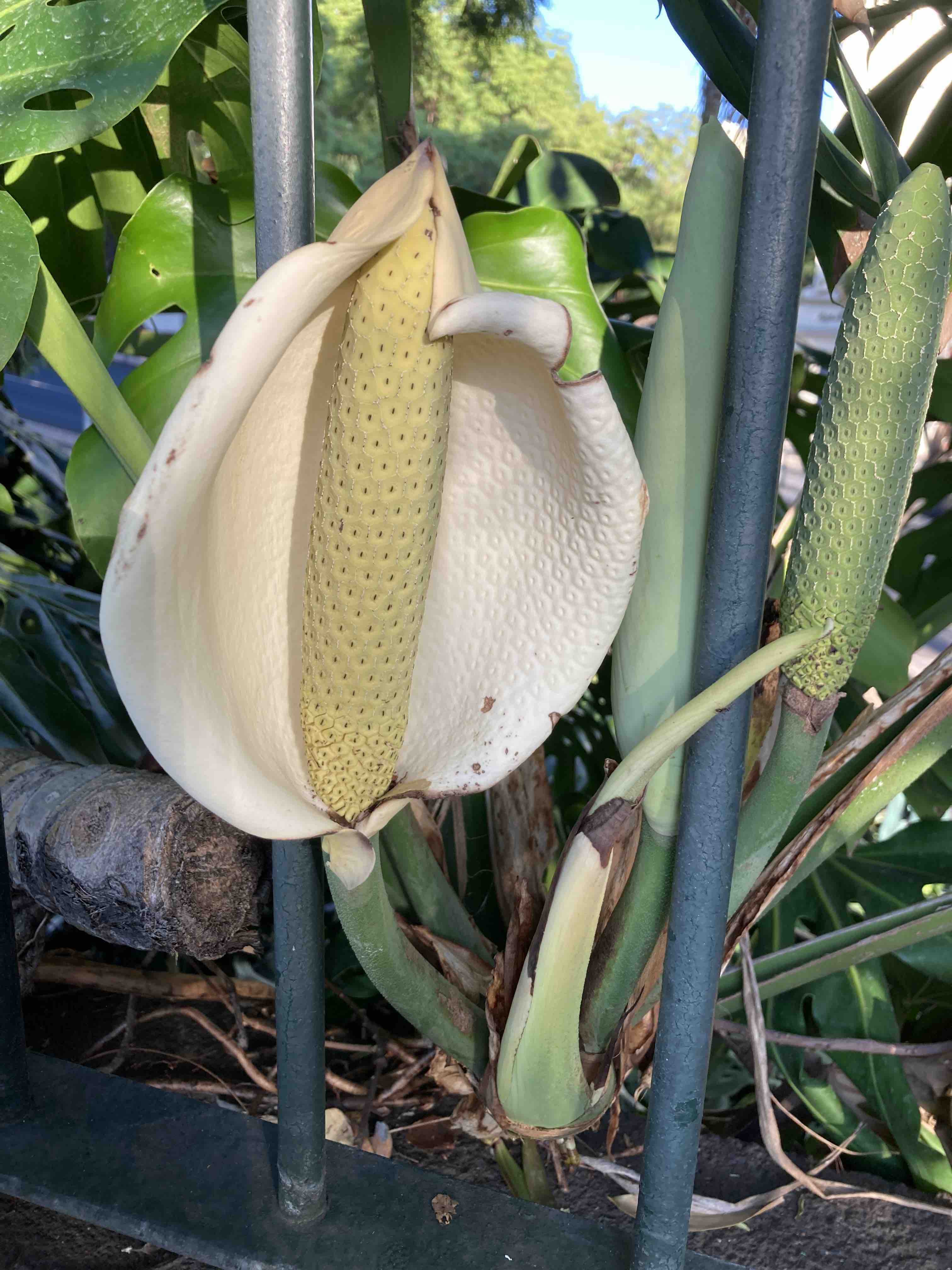
I mentioned the fruit of monstera before. After the large inflorescences fade the large, green, club-like fruit developed and, when ripe, is supposed to taste of banana and pineapple. I did not actually taste it when in Madeira, for fear of being scammed, as tourists are fair game among owners of the fruit markets, preying on ‘cruisers’. I should have been braver but a combination of being ripped off and then suffering raphide symptoms meant the risk was too much and I would rather play safe.
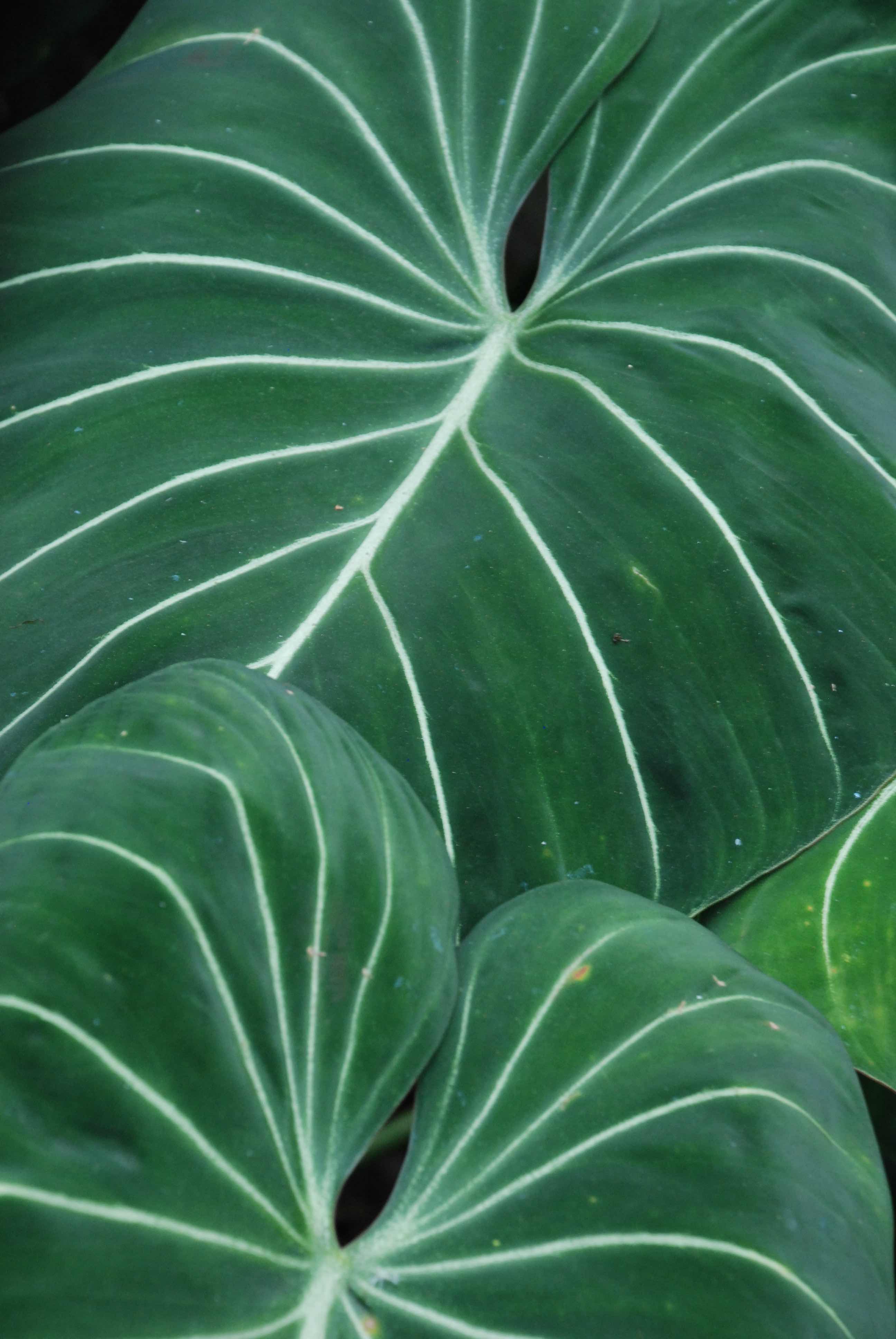
The related philodendrons (more than 600 species from the New World tropics) are evergreen, often climbing plants and, like the monsteras, usually produce roots from the stem that either help to keep the stems upright or help them grip trees or rocks so they can climb. All produce ‘cataphyls’ which are narrow, leaflike structures at the base of the leaves which are usually shortlived and turn brown.
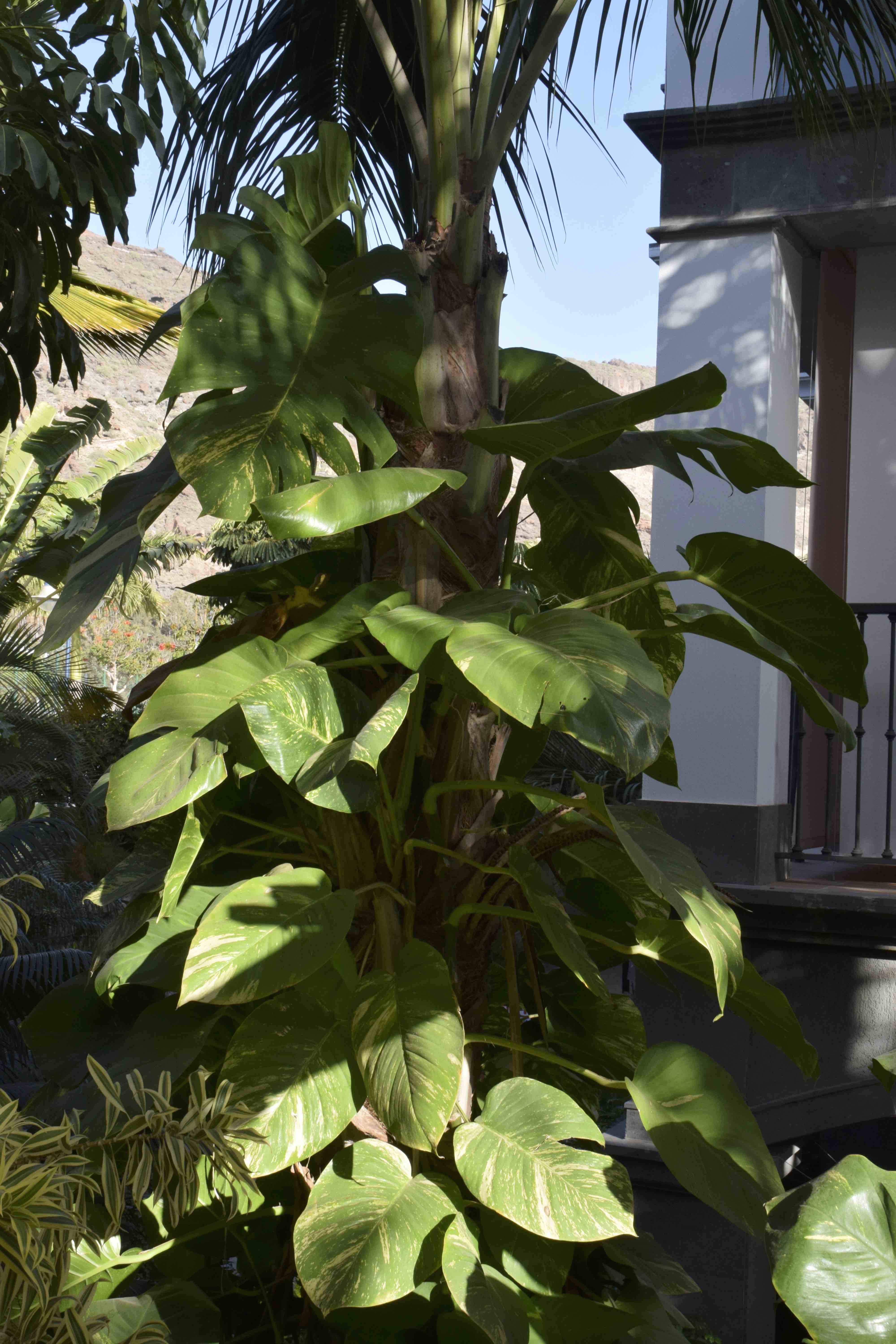
The easiest to please tends to be the small P. scandens which has many variegated forms. These resemble the rather similar Epipremnum aureum or pothos or Devil’s ivy, usually sold as a small plant but sometimes sold on moss poles. Like many climbing plants it has juvenile and mature foliage and although the juvenile leaves (all you are likely to see if you let your small plant wander across a coffee table) are small and heart-shaped, once it finds something to climb it the leaves become much larger and develop the slashes that presumably make the leaves less liable to be damaged by wind in their elevated position.
It is available everywhere but is unusual in that it is native to a single island in French Polynesia. It very rarely blooms and flowers were not seen until 1962 when some clever botanist decided it should be renamed rhapidophora. Famously, it is efficient at removing pollutants from the air, such as benzene and formalydehyde.
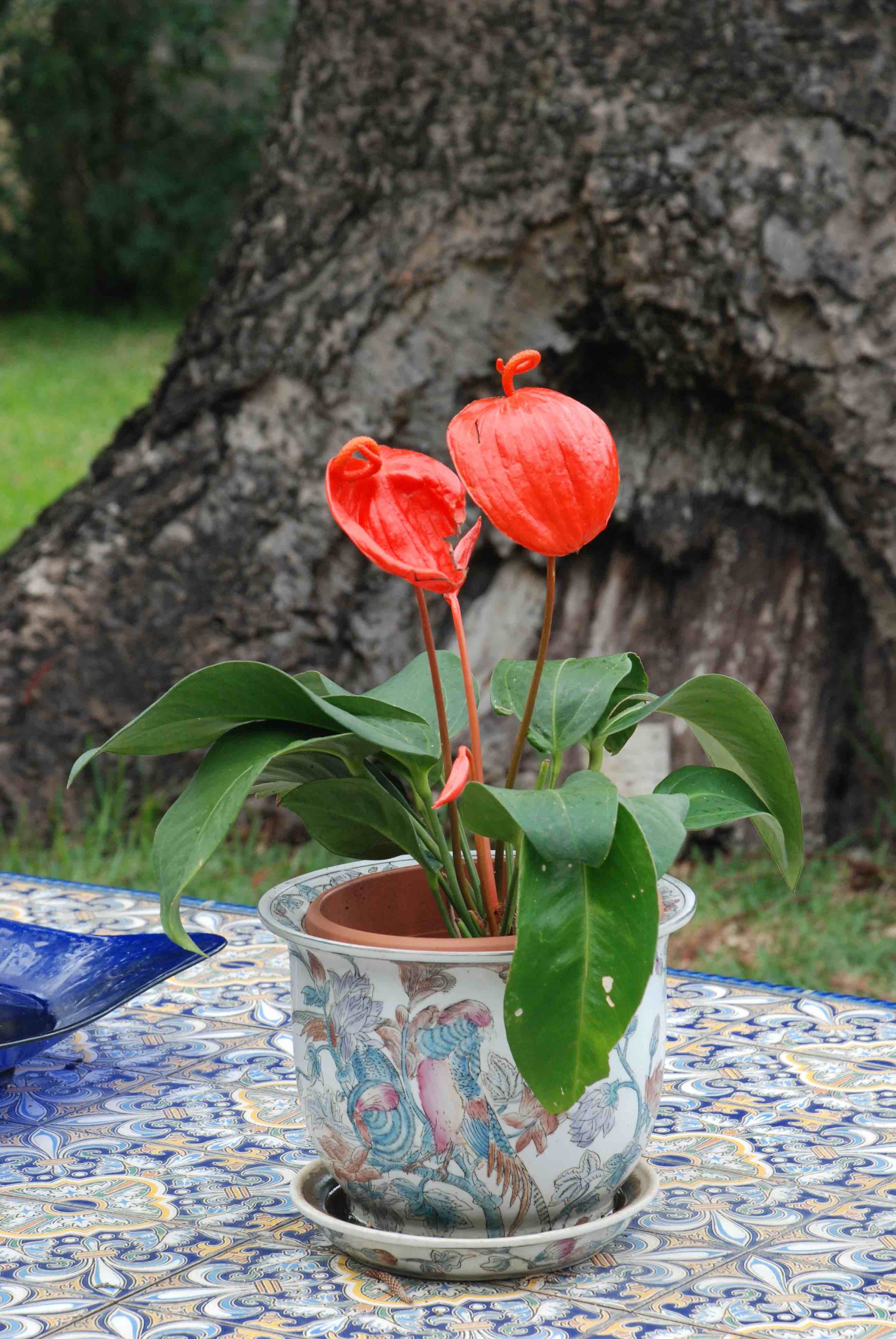
Anthuriums are usually seen as A. andreanum and, less often, A scherzerianum, both with red spathes, though there are lots of other colours and more than 1000 species. These are the only two species with colourful spathes, the rest are relatively dull but the foliage of many is extraordinary. These two and their many forms make easy houseplants for warm rooms, with long-lasting ‘flowers’ which are freaky enough to commonly be seen ornamenting Captain Janeway’s apartment on ‘Voyager’ and other sci-fi sets.
The peace lily (spathiphyllum) is among the most common houseplants and very tolerant of bad treatment, coping well with drought but not overwatering.
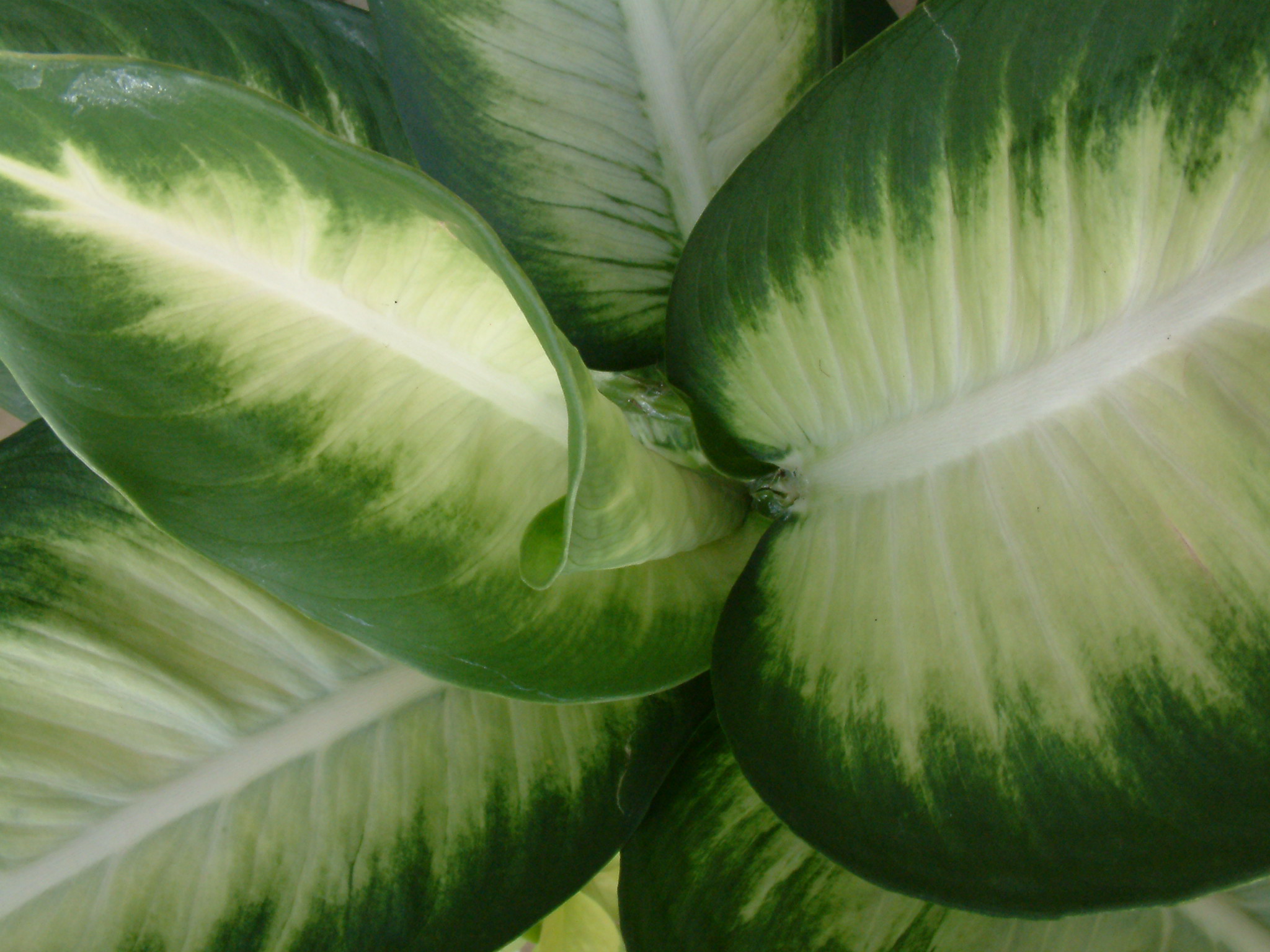
Dieffenbachias were once commonplace but seem to be less popular, probably because of their toxicity. Like all these houseplants, they have rather thick roots and need a well-drained mix and will not tolerate waterlogging.
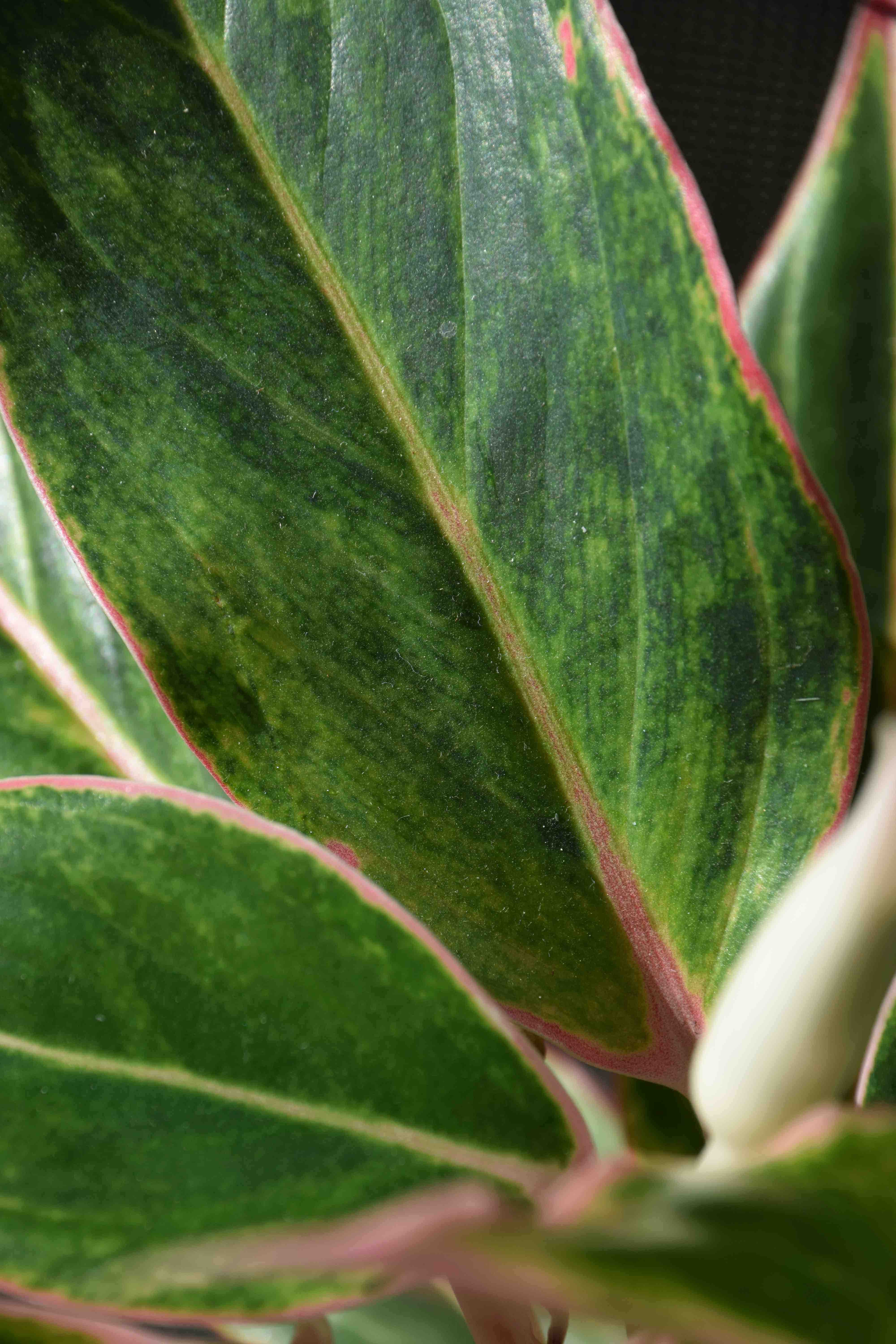
Aglaeonema, commonly called ‘Chinese evergreen’ are similar but have thicker foliage and with their green or silvered foliage were always considered an easier option than dieffenbachia and ideal for warm, dark places in the home. In recent years they have been developed and now include amazing pink and red patterned foliage. They are bewitching but I struggle with them. I have one that was bought, three years ago with about six leaves and is now a miserable thing with one leaf. It won’t die but it refuses to do anything but make me feel guilty and I am not sure what to do. I feel that I should ‘pot it down’ and feed it heavily but am afraid that any disturbance will send it into a ‘death spiral’.
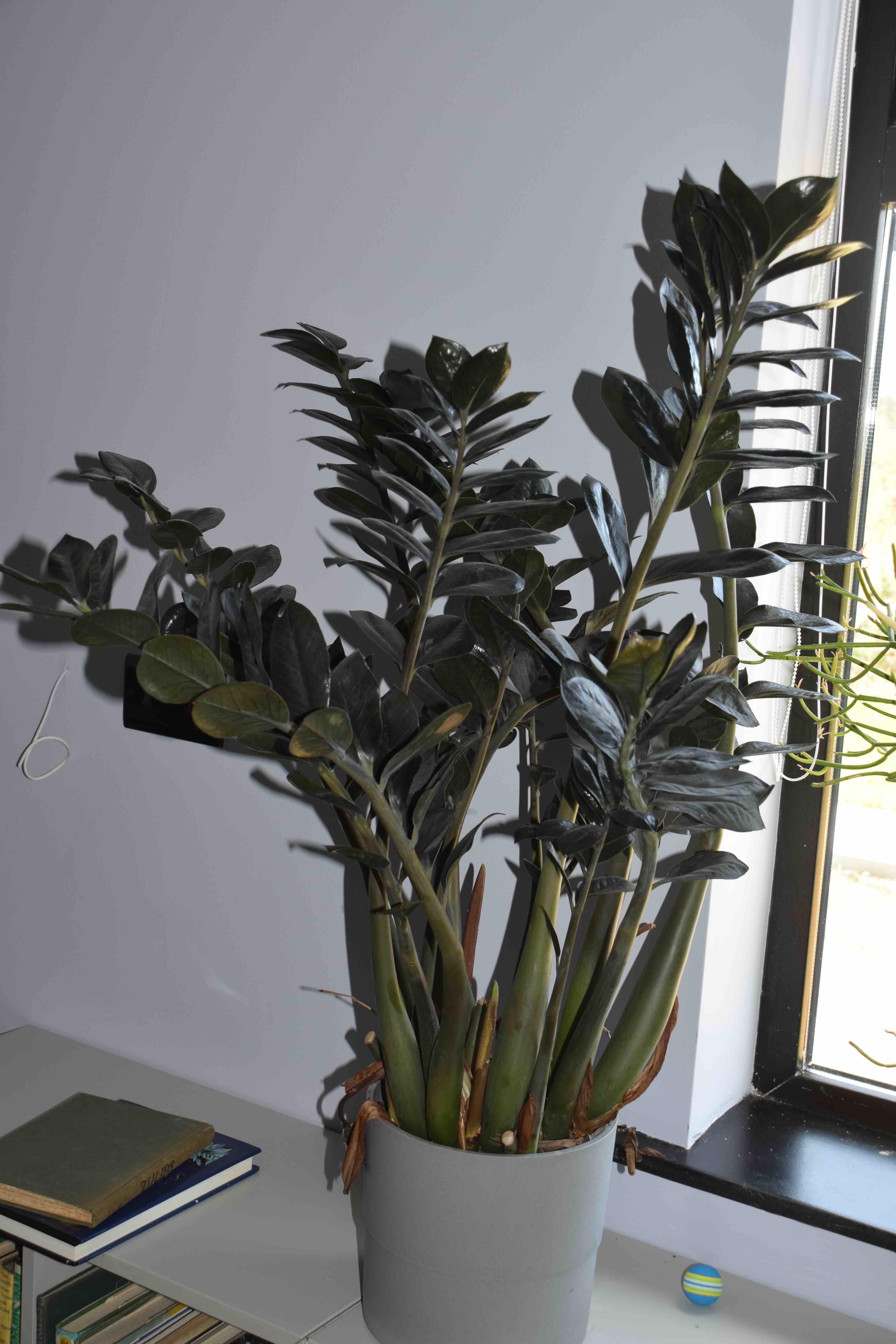
And when it comes to being popular, zamioculcas is an easy and amazing houseplant. For more details search in the toolbar – I have written about it many times.


Geoffrey, the one-leaf Aglaonema is the case where I would resist both a heavy feed and a large repot until the roots identify the problem. A plant with little active foliage cannot use much fertilizer, and extra salts can make damaged or oxygen-starved roots worse.
I would slide the root ball out intact and check three things: whether roots occupy the pot, whether the center stays wet far longer than the edges, and whether any roots are brown, soft, hollow, or sour-smelling. If the healthy root system is much smaller than the container, pot down only one size into an airy mix and keep as many firm roots as possible. If roots are healthy and the mix dries normally, leave the plant undisturbed, give it bright indirect light and stable warmth, and water only after the upper root zone has partly dried.
Hold fertilizer until you see a new leaf or active root tip, then restart at a weak label-directed dose. That separates a root-volume problem from low-light stagnation without stacking several stresses at once. I work on KnowYourPlant; our beginner indoor-plant guide uses the same root-zone-first diagnostic sequence: https://knowyourplant.app/blog/posts/indoor-plant-care-guide-beginners/
Thank you. I watered very carefully and put it in a brighter spot – the conservatory – and it is a lot happier and now has three leaves.