Araceae; 2
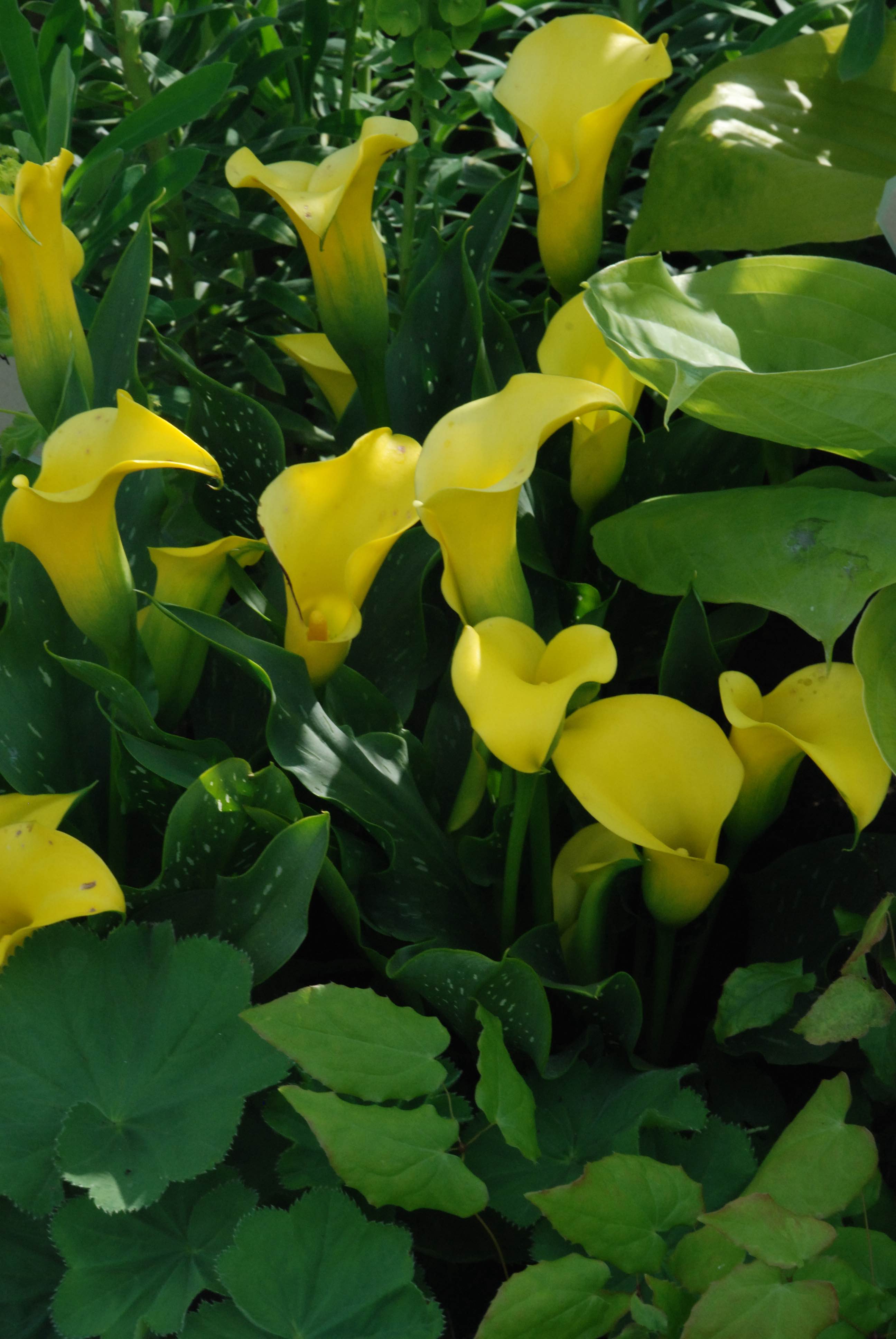
Large underground tubers are a common feature in many aroid genera and present us with starchy sources of food, though not without some issues.
While the Araceae ‘flower’ is easy to recognise, the form of the plant is not.
The leaves should, as they are monocots, be narrow with parallel veins but they rarely are. Instead they can be broad, lobed, or fleshy. The stems can be swollen into tubers or climbing. The plants are rarely self-supporting shrubs. However, in all that I can think of (though I am not sure about the weird zamioculcas even though I am looking at it as I type) the leaf base clasps the stem and growing point so the new leaf grows from the base of the older leaf. It is obvious in monstera.
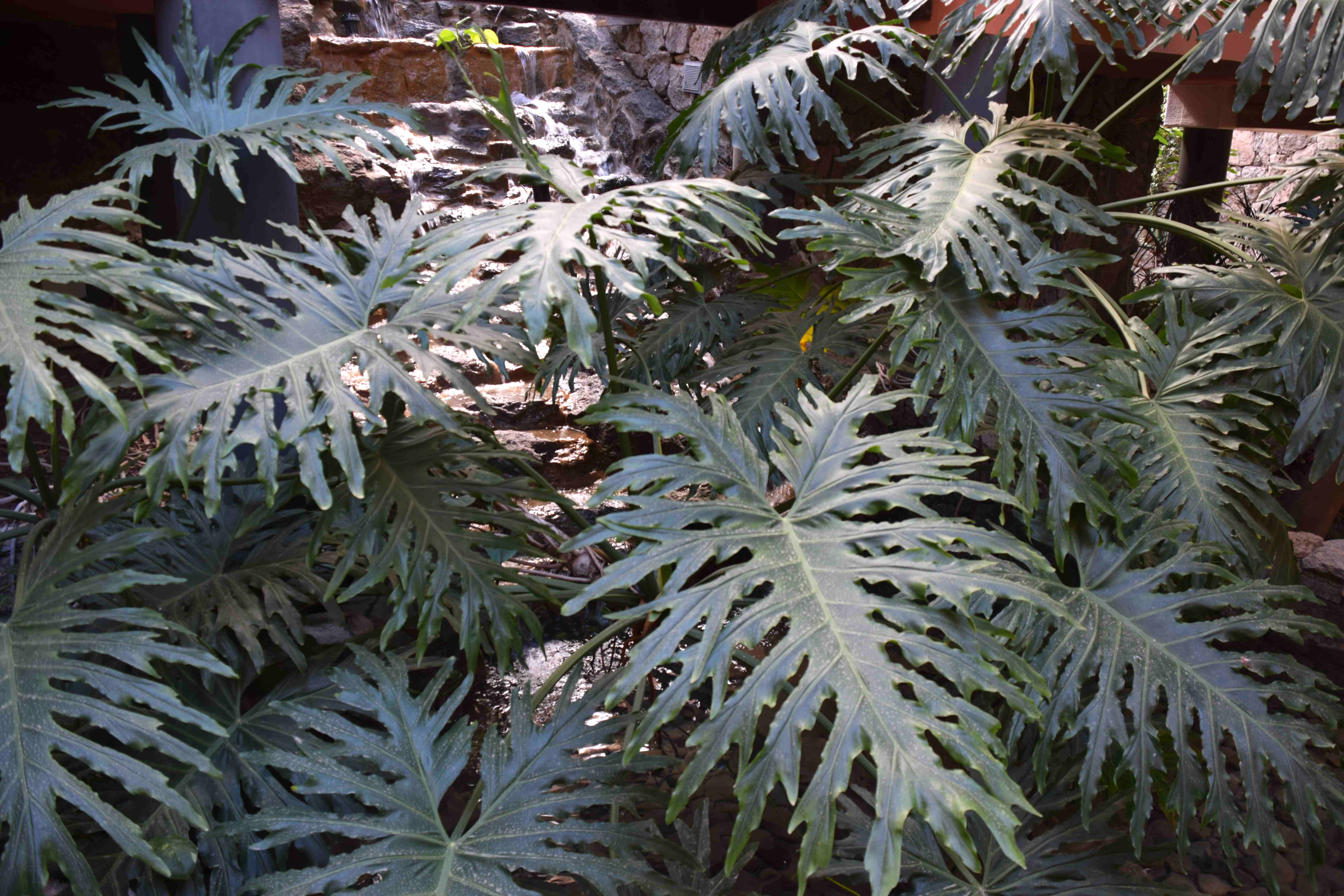
While the Araceae have sometimes produced toxins to prevent being eaten, a much more common approach, which you should assume is present in any species, is calcium oxylate crystals (raphides). If ingested, these puncture and tear soft tissue causing irritation and, if other toxins are present, allow them to invade the tissues. It is an effective deterrent to herbivores and is the origin of the common name of the common houseplant dieffenbachia, dumb cane. If ingested the crystals cause the tongue and mouth to swell and speech, and sometimes breathing, becomes difficult.
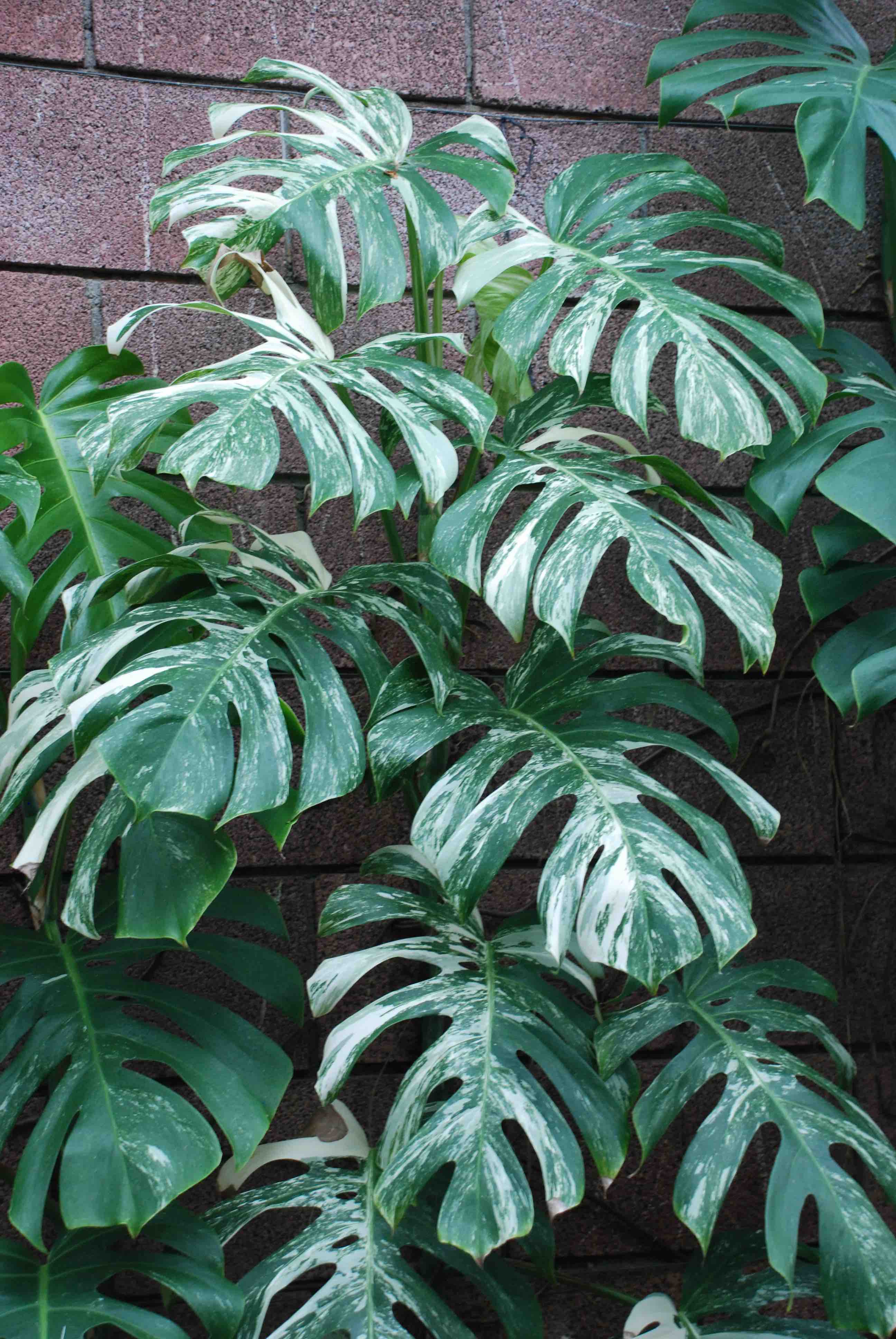
This makes the whole family of limited value as food but there are notable exceptions. These include alocasia, colocasia and xanthosoma, all grown for their tubers, the fruits of monstera which, as I recently discovered in Maderia, is a popular way to separate tourists from their money, and is not, despite what the vendors claim, a native of that fortunate isle, and tubers of some amorphophallus.

The most ‘trending’, though it has probably gone viral and now succumbed, is konjac, the tuber of A. konjac. It hit the headlines when it was used to make low-carb noodles so that people, worried about their weight, could eat a low-carb stirfry before stuffing a ‘unicorn muffin’ down their neck. Konjac has many uses and a ‘vegan’ gelatine can also be extracted from the tubers but, because it is ‘chewier’ than other substitutes, has been linked to choking incidents when used to make sweet ‘jellies’.

Amorphophallus konjac is native to China but widely cultivated in S E Asia for the edible tubers. Like the other species and many, but not all, of the tuberous aroids, the inflorescences are produced, when the tuber is large enough, before the foliage. These leaves are stemless but often finely divided and on tall petioles and give a palm-like effect. This is unlike the dracunculus and arisaema which produce leaves and blooms at the same time on pseudostems. The petioles are often spotted and attractively marked. Then the foliage dies down for a resting period. The biggest cause of loss of all these, in my experience, is moisture and possibly low temperatures in the resting period.
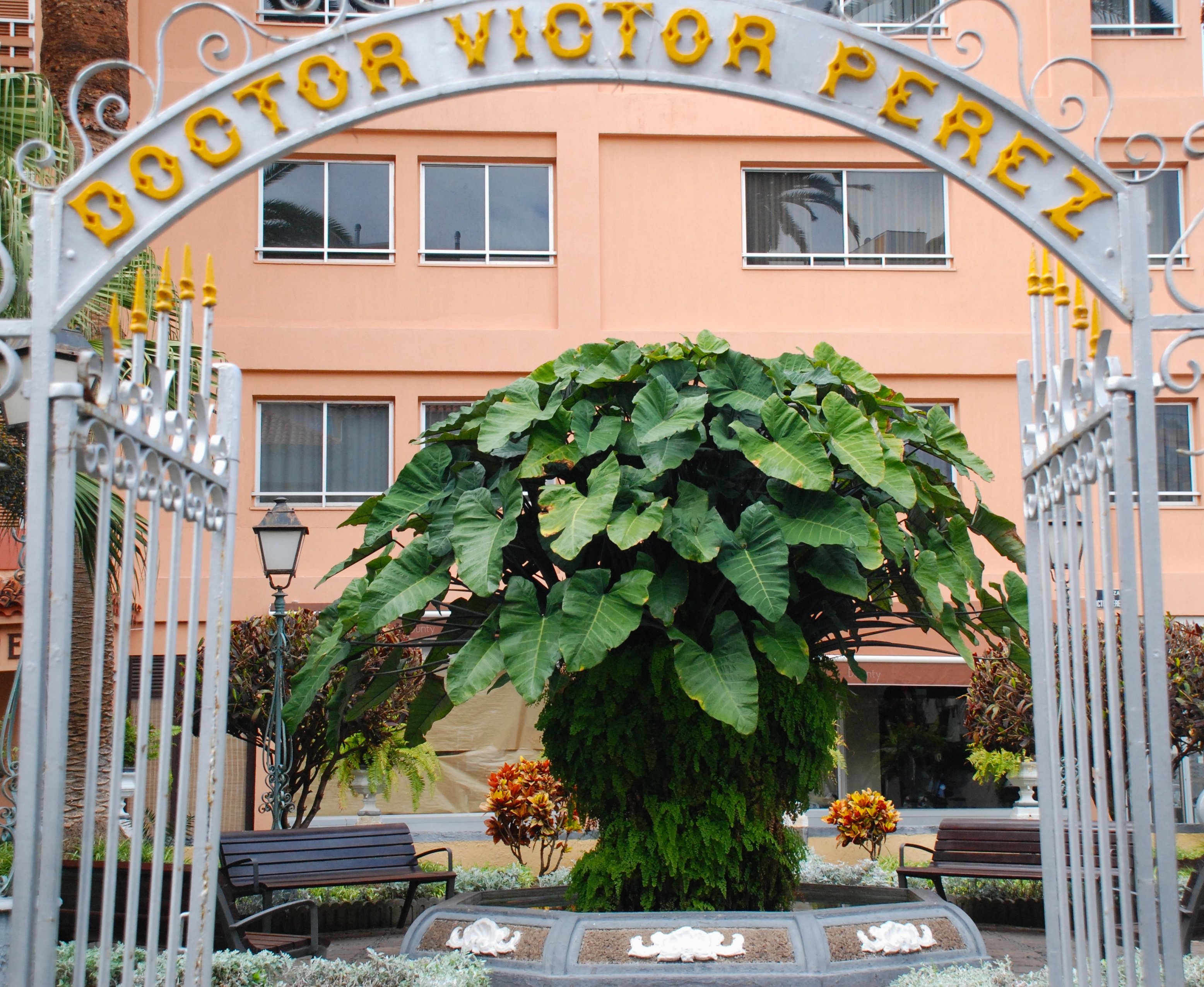
Even so, these tuberous aroids form an important component of the human diet in various warm climates. The tubers of Colocasia esculenta (taro or eddo) are frequently seen for sale in northern Europe and they can be planted as interesting summer foliage plants. It is thought to be native to south India but is grown throughout the world and is a major (the fifth most important world-wide) source of carbohydrates, though the tubers do not contain much else and no significant protein. It is often called ‘elephant’s ear’ because of the large leaves and some other species are grown as ornamentals and many have coloured foliage. I have problems with these because outdoors it is too cold and windy and they do not always survive winter in a cold greenhouse, even when kept dry, possibly because the tubers have not grown large enough because of poor summer growth. I do not tolerate them in the greenhouse in summer because they are so prone to red spider mite attack.
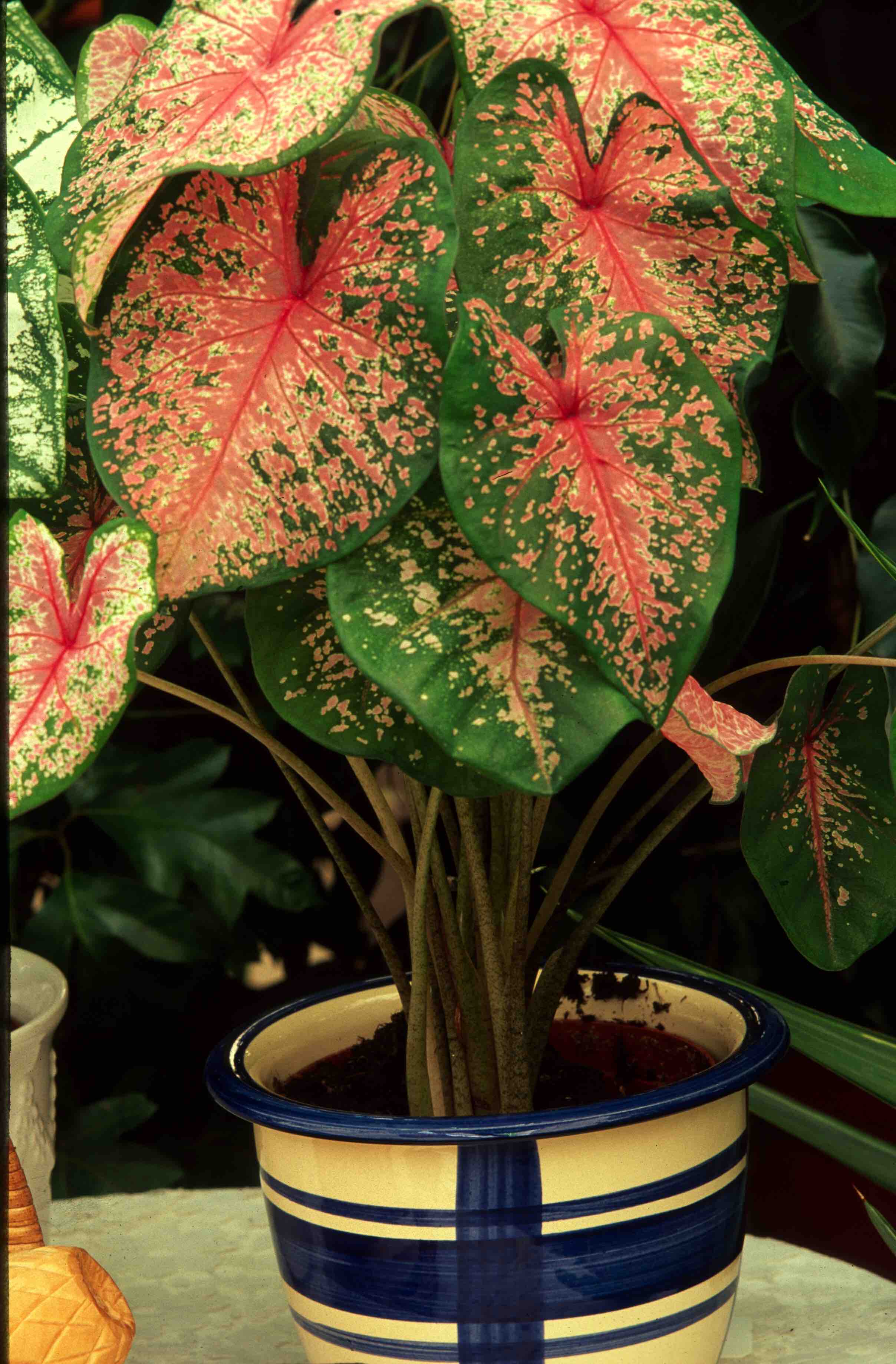
And then there are the caladiums, often sold as pot plants and grown from tubers. They are extraordinarily beautiful but indoors the atmosphere is too dry for them and the thin foliage is prone to browning. In tropical climes they seem to grow like weeds but here they are troublesome.
Arum maculatum
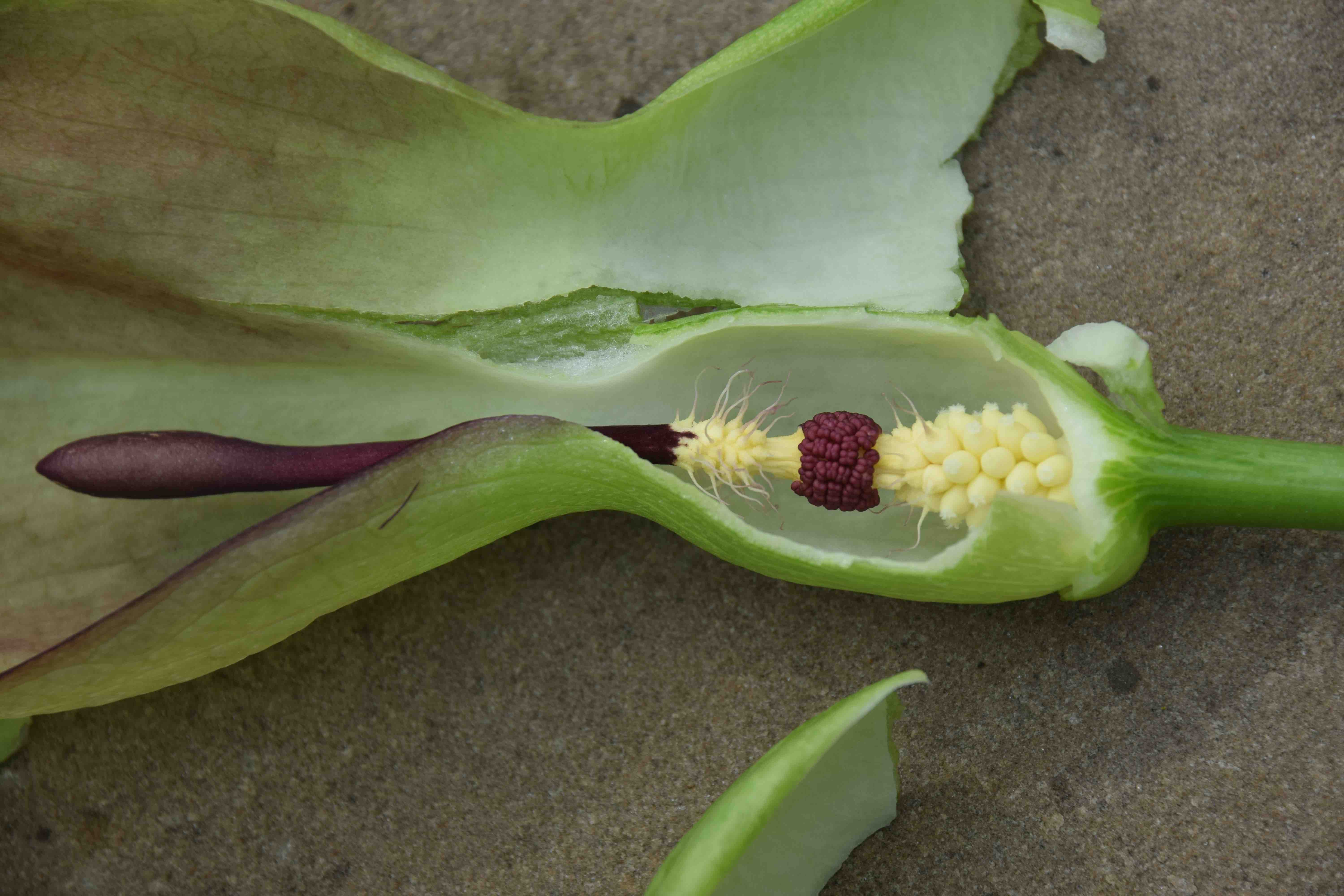
The distinctive flowers of this lovely native plant have long captured the imagination of country folk and resulted in many common names. The spathe, surrounding the long spadix led to baby-in-the-cradle and preacher-in-the-pulpit and jack-in-the-pulpit, but the obviously phallic look of the spadix resulted in ram’s horn, stallions, dog’s dibble, cuckoo-pintle, priest’s pintle and red-hot poker (also likely because of the thermogenic properties of the spadix). The fact that the inflorescences look so sexual resulted in lords and ladies, stallions and mares and, presumably, kitty-come-down-the-lane-jump-up-and-kiss-me.
Consumption was thought to increase lust but, as in so many representatives of the family, the calcium oxylate crystals made this a dangerous thing to do. But the starch in the tubers had another use, stiffening cloth, especially ruffs and Portland in Hampshire was the centre of production although Gerard (1526) noted ‘the most pure and white starch is made out of the roots of Cuckowpint: but most hurtful for the hands of the laundresse that hath the handling of it, for it choppeth, blistereth, and maketh the hands rough and rugged, and withall smarting.’
I always knew it as lords and ladies and I think this type of name comes from the fact that the spadix can vary in colour, some being pale and others dark purple. The spotting on the leaves can vary too. All the plants in this area (Co. Wexford) are unmarked but often the foliage is spotted with inky purple. The intricate structure of the spathe is amazing and the way it captures midges to do its bidding is other-worldly. I have written about it here.
The family now includes duckweed (lemna) whch means it contains the largest inflorescence of all plants (Amorphophallus titanium) and the smallest. The flowers of duckweed are tiny and rarely seen but the plant spreads quickly across the surface of still water, turning it into a vibrant green ‘lawn’. This can be dangerous and one name for duckweed is Jenny green-teeth, after a malevolent spirit or monster that will pull unwary children and the elderly into the water and drown them.
 The Biking Gardener
(Some of the illustrations do not open. The problem could be at this end.)
Oh, nevermind. They opened.
I am glad they opened OK and it was not something stupid I had done!