Apiaceae 3 : The edibles
All the edibles are annuals or biennials. The most important crops are carrots and parsnips. We harvest them at the end of their first growing season when they have packed their roots full of carbohydrates ready to grow and flower and set seed the second season. Gram for gram, starch stores more ‘energy’ than sugar so parsnips store starch. Once they have been frosted and know that spring is coming they start to convert the starch back to soluble sugar to ‘feed’ the burst of growth. And that is why the old advice about parsnips tasting better once frosted is true. Who wants parsnips in September anyway? One thing that annoys me about TV cooks is that when they prepare parsnips they usually chop them up with the ‘core’ intact. It is always woody and I was brought up to cut it out.
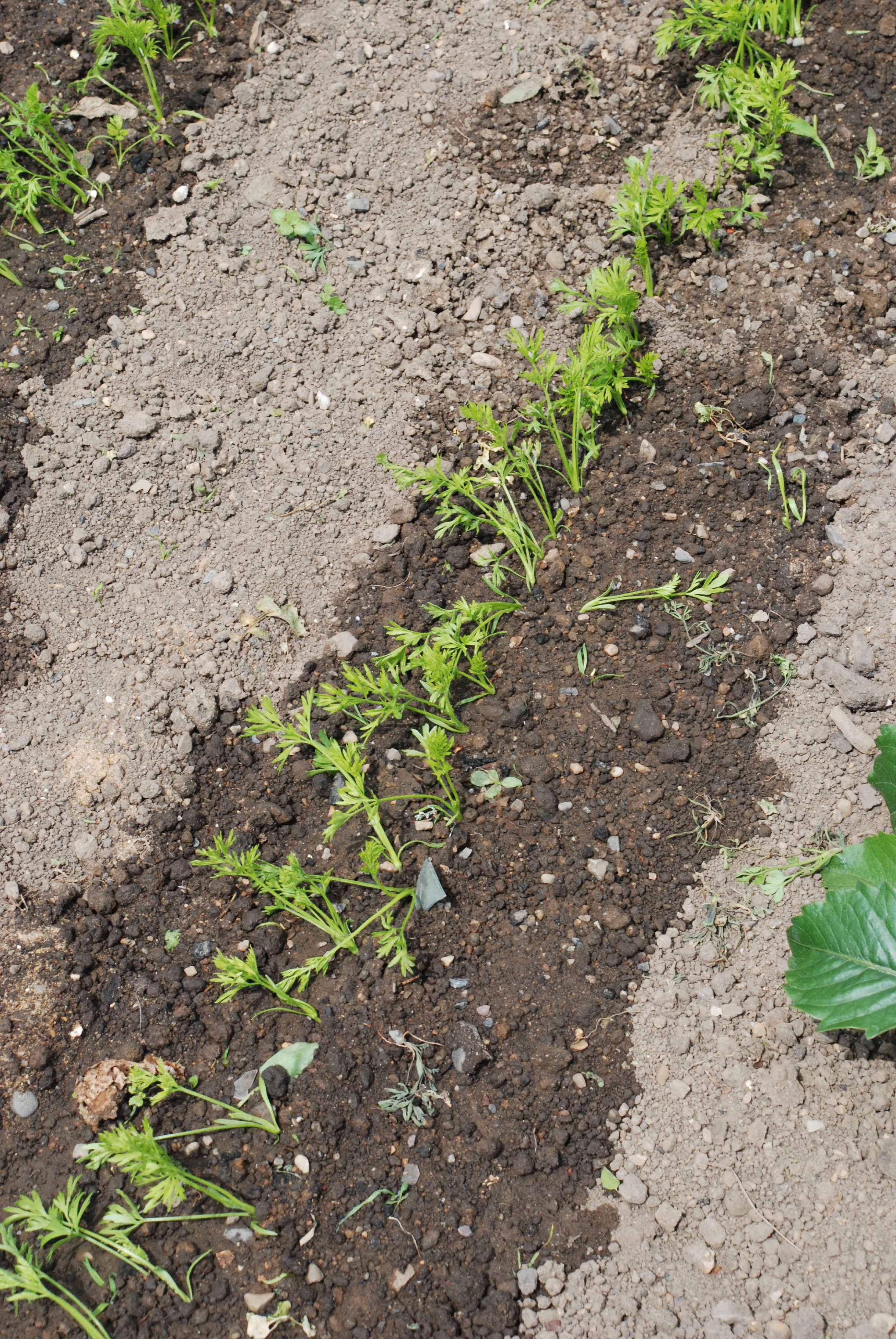
It is essential that carrots and parsnips are sown where they are to grow and that they are not transplanted. If you do you will cause bolting or you will end up with wonky roots. These crops also prefer a soil without stones, which can cause forking, and a soil that is not overly fertilised or you will get forking roots. Parsnips need a long growing season so are frequently sown in early March which, in this part of the world, is too early and the seeds are likely to rot. But you can pre-germinate them in warmth on paper and sow them immediately the root starts to emerge from the seed – but don’t leave them to get too long or you will get more serious problems.
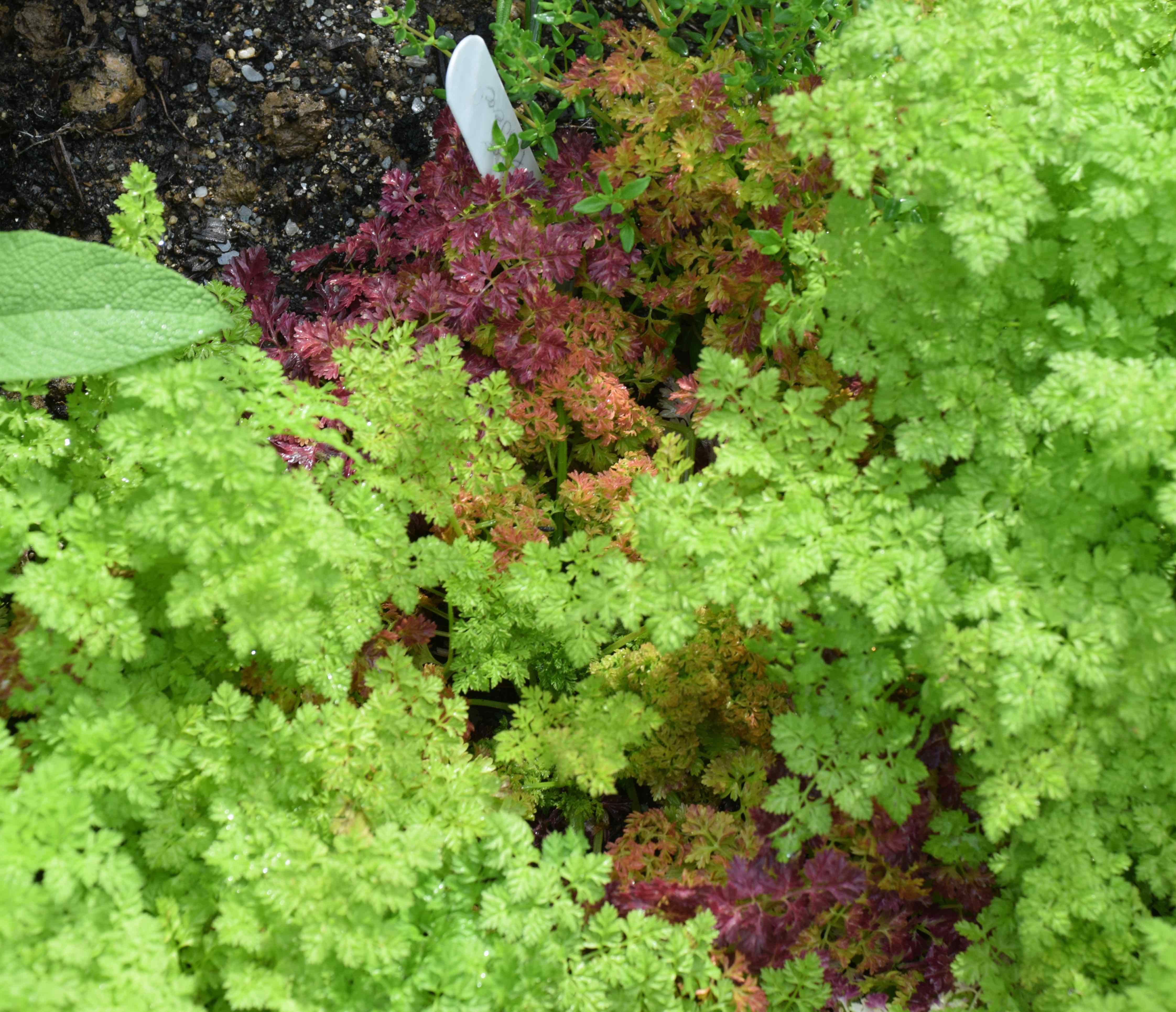
Carrot fly is a whole other issue. The maggots eat into the roots and weaken the plants. Often you can tell they are present by yellow and red foliage. If you miss that you will notice when you eat the roots! It also affects chervil, parsley and related herbs. Carrot fly do not like flying too high so if you grow carrots in pots they often escape or if you cover the plants in fleece you may avoid it. I have used ‘garlic water’ with good results too.
The Umbelliferaae were changed to Apiaceae after the type genus Apium which is celery. Of all the vegetables that gardeners try to grow, this must be the most challenging. It demands, light, rich, moist soil with lots of organic matter. ‘Self-blanching’ kinds with green ‘stems’ are easier to grow and all you can usually buy. Blanched celery is very hard work to grow. When I worked in a greengrocers we would sell ‘dirty’ celery and I always had to trim it carefully so I cut off the base – the root – which I had to save for the owner to eat. This is basically the same as celeriac, now quite popular. Celeriac is a bit easier to grow but has to be started in heat and the seedlings planted out after the last frost and harvested before it gets too cold in winter. It is possible to grow well but not easy.
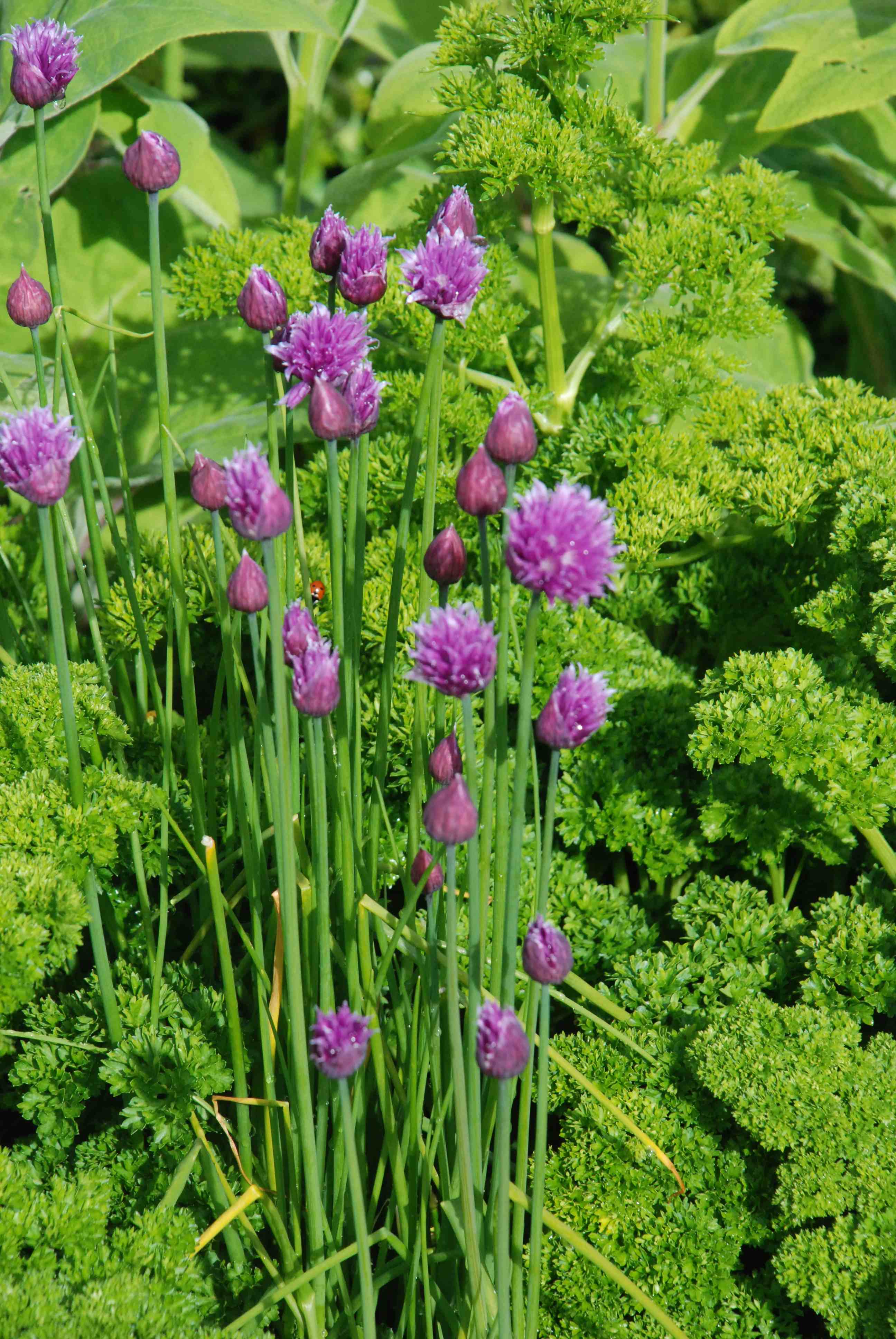
Herbs used for foliage and seeds are annuals too, apart from parsley.
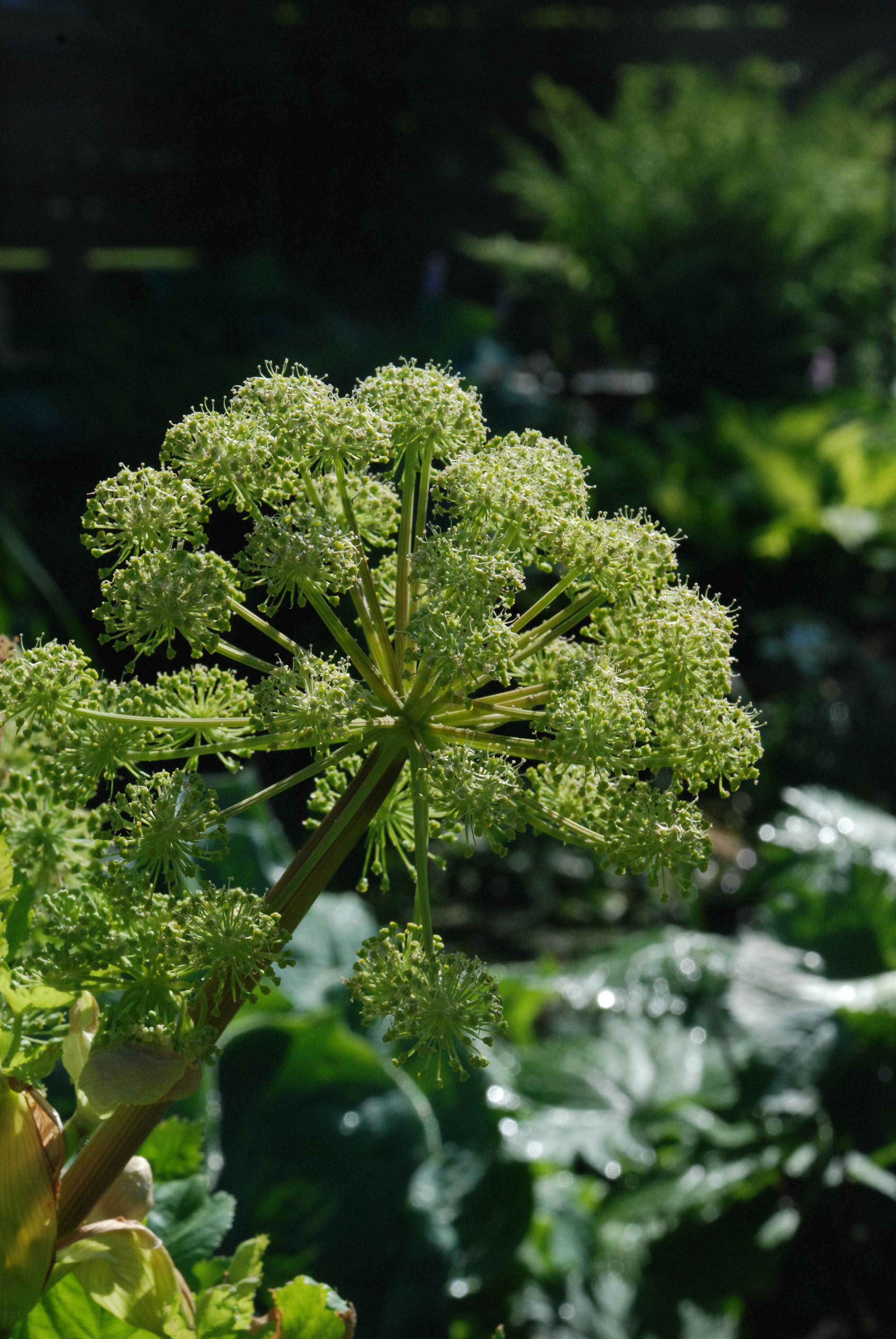
There is caraway, cumin, angelica (what happened to candied angelica? Visits to my nan were always memorable for the sherry trifle (absolutely NO jelly) topped with cream and decorated with carefully arranged half glace cherries each with two pieces of sliced angelica, one either side. It always looked like little people drowning in a sea of cream. (Lucky cherries)
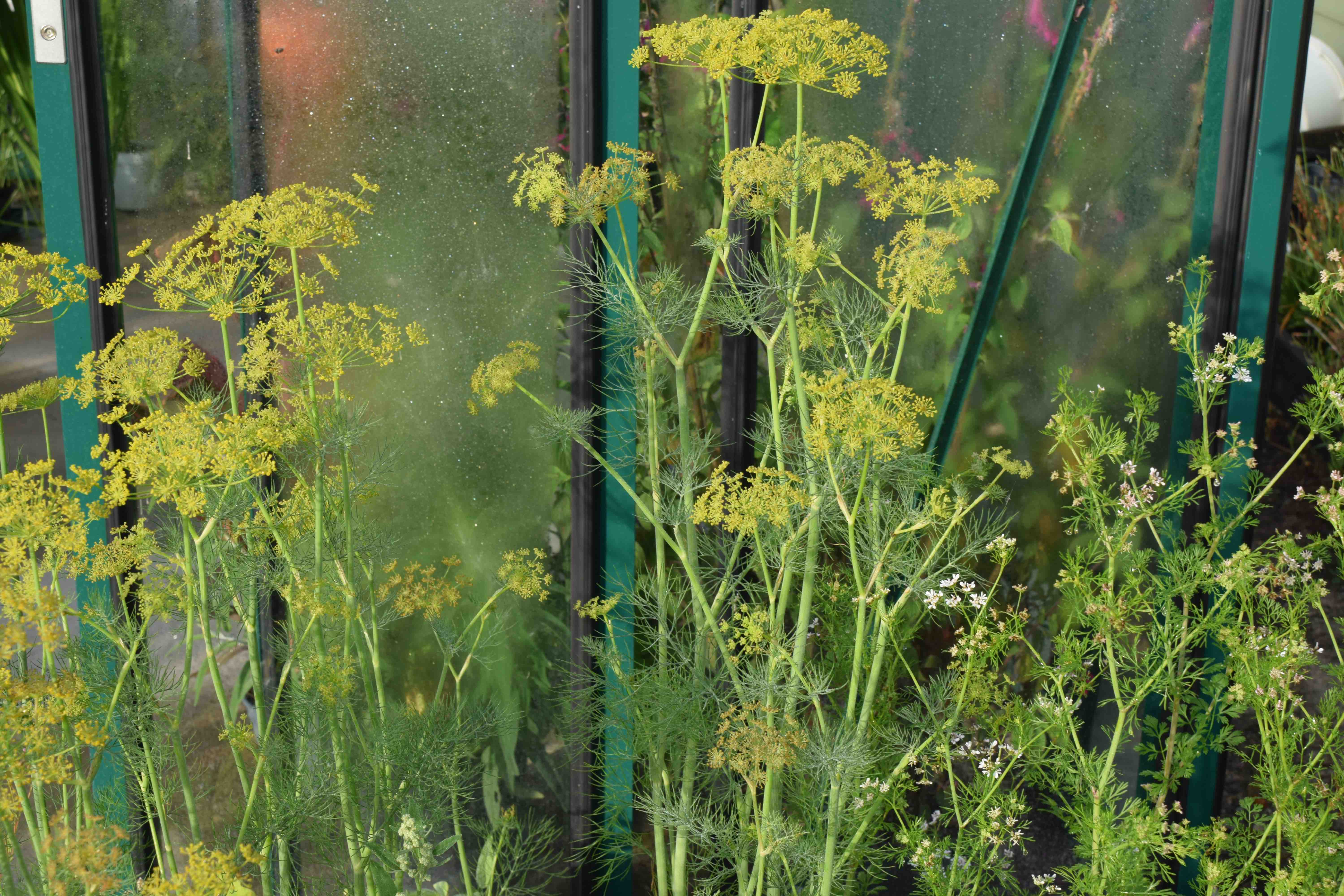
Like coriander, dill bolts quickly and you need to sow little and often. Though strongly flavoured, I like lovage. It is a big, bold perennial that can be hard to place and to control. In that respect it is similar to fennel. And fennel seeds everywhere. But bronze fennel is a beauty in spring when first expanding the foliage like a rich, coppery haze across the border. Only when it is 2m high, in bloom and covered in wasps do I like it a little less.
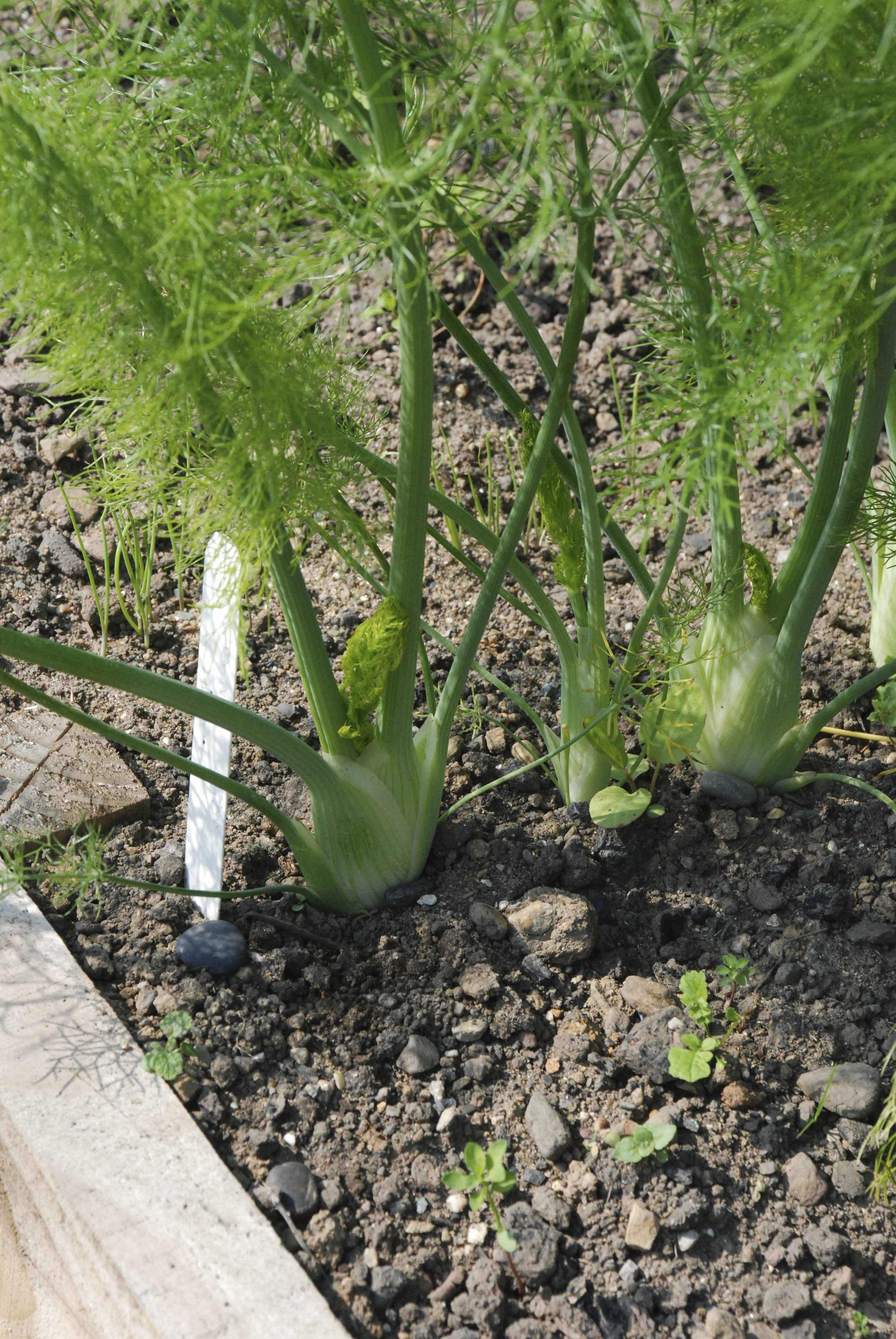
And fennel brings us one of my favourite vegetables, Florence fennel. While fennel is ridiculously easy to grow, Florence fennel can be a challenge. But delay sowing till June or July and give it fertile, moist soil, so it does not immediately run to seed, and it is very doable.
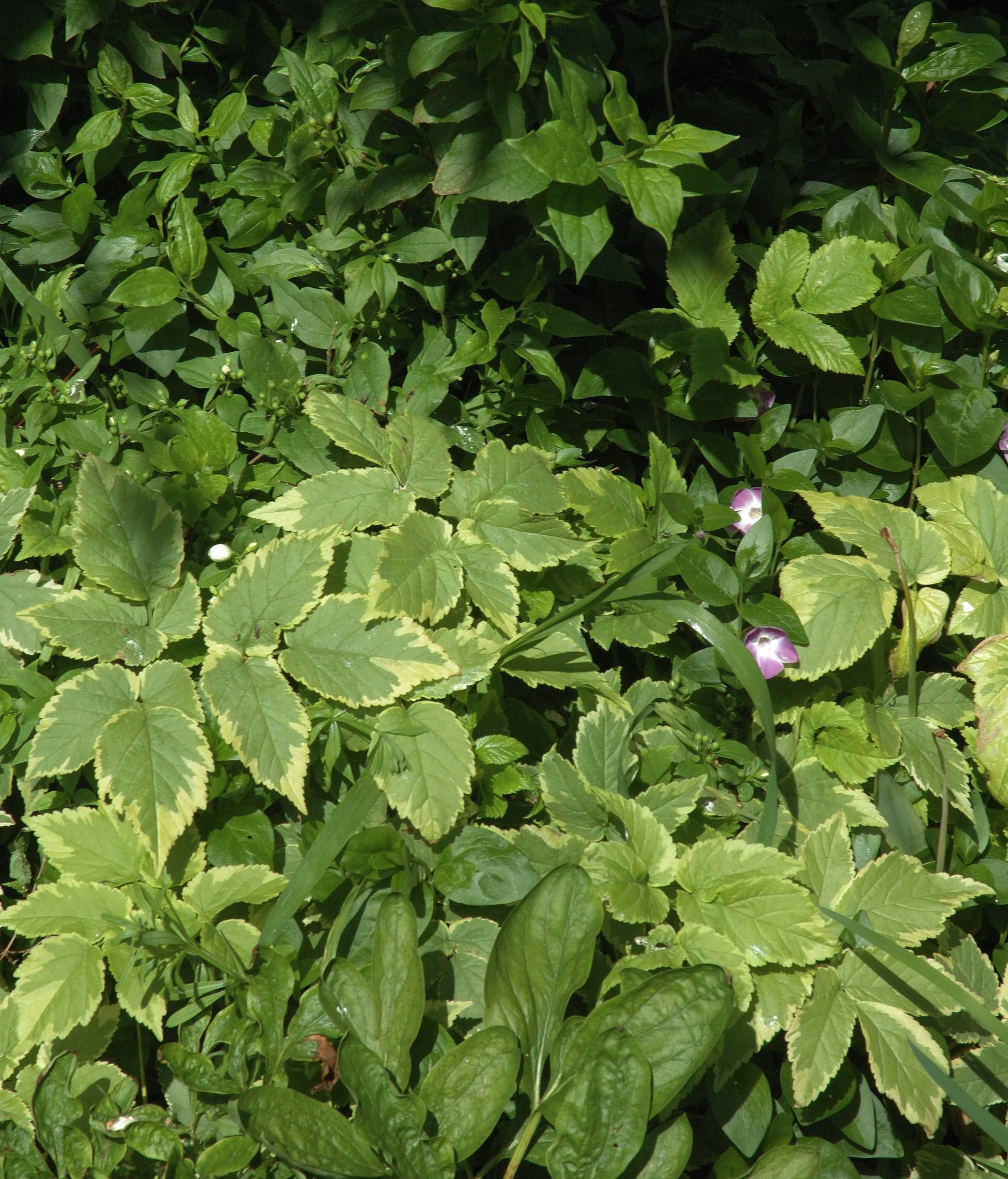
I ought to mention Aegopodium podagraria (ground elder) too since it was supposedly introduced into Britain as an edible crop by the Romans. We all know it as a weed and a very efficient weed too. Although I have not introduced it to this garden, I have grown several variegated forms as ground over in the past and it will be added here, in time. The variegated kinds are nice plants where you can tolerate vast patches.
The Apiaceae is a large and important family that includes some important food crops and a mass of popular flavours but also a few dangerous plants.
 The Biking Gardener
No comments yet.