We are family: Apiaceae
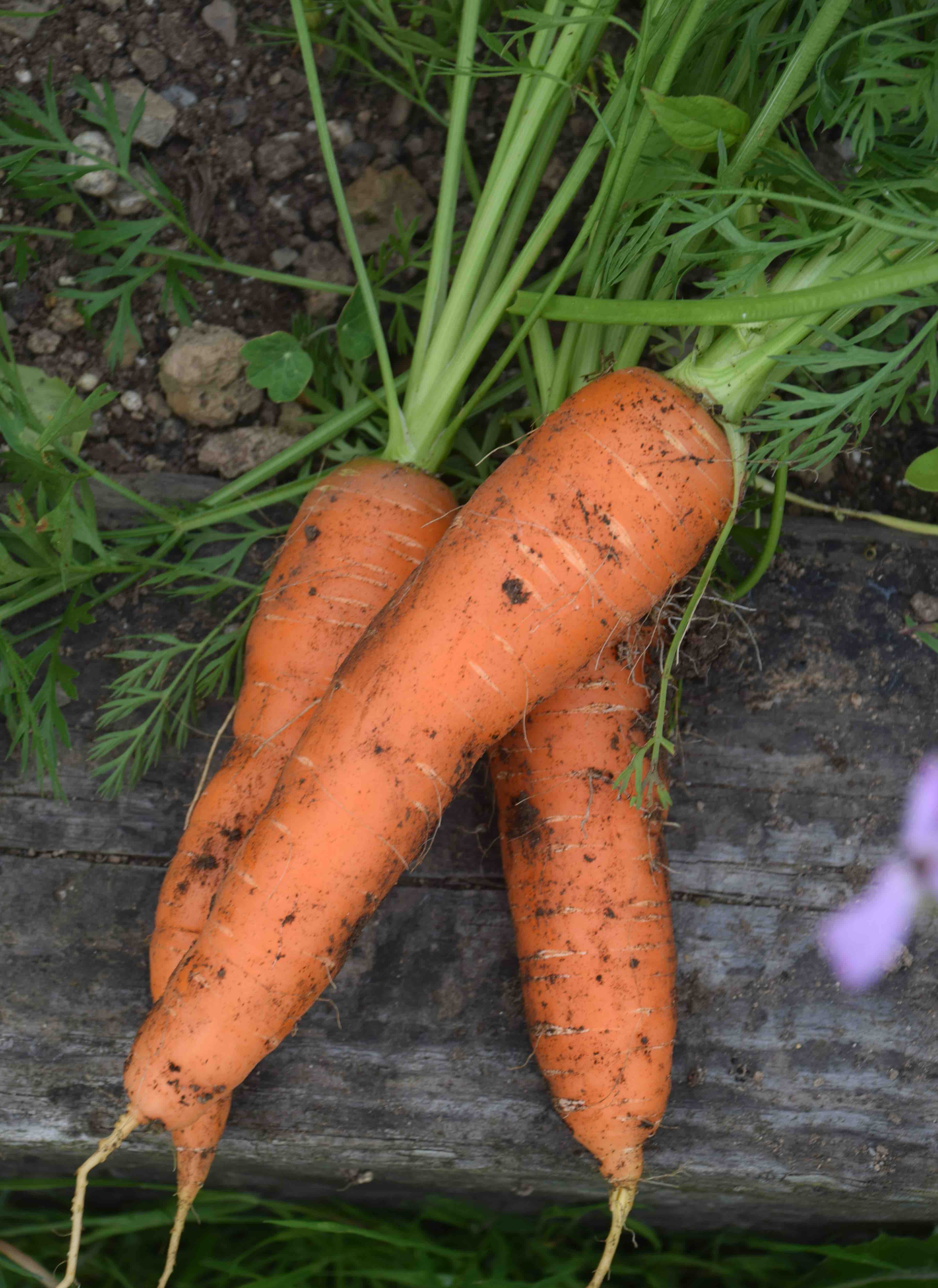
This week we have the Apiaceae, better known as the Umbelliferae – because the small flowers are held in umbels – with the flowers held on stems (pedicels) all originating from a single point. Other families have similar arrangements (alliums for example) but the Apiaceae are generally easy to recognise.
I am beginning to doubt the sanity of these posts because they are getting long. And because of my poor organisational skills I am having trouble finding some of my images. Where they disappear to I really can’t imagine. I know one issue was that I once spent weeks naming images only to find that I was not naming them but ‘captioning’ them so they could not be found. But I digress. I am splitting this one into three parts and will start with some general features and some notable family members.
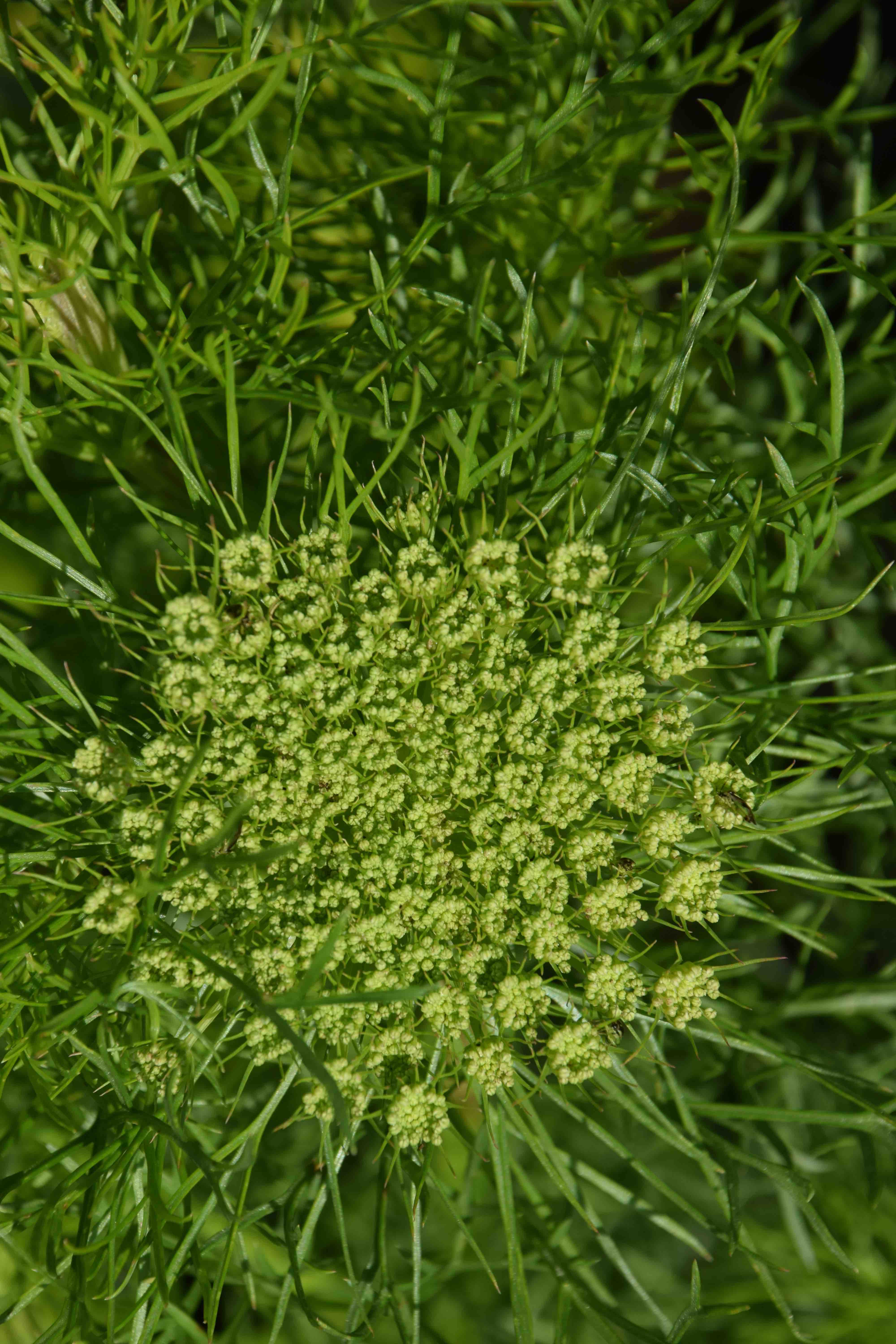
The flowers themselves are usually ‘perfect’ being both male and female, though there are exceptions, and have five petals and stamens. The petals are usually the same size, making the individual flowers ‘actinomorpic’ but in some, the outer petals in the cluster are larger, making the blooms zygomorphic (I described the difference in a previous post). The sepals are often absent or very small but the inflorescence is often surrounded by large, frilly or sometimes coloured bracts.
The foliage is usually divided and usually pinnate (feather-like) although it is sometimes ‘entire’ (as in bupleurum). The leaves do not have stipules, those small, leaflike additions seen in roses and other plants, but they usually ‘clasp’ the stem at the base.
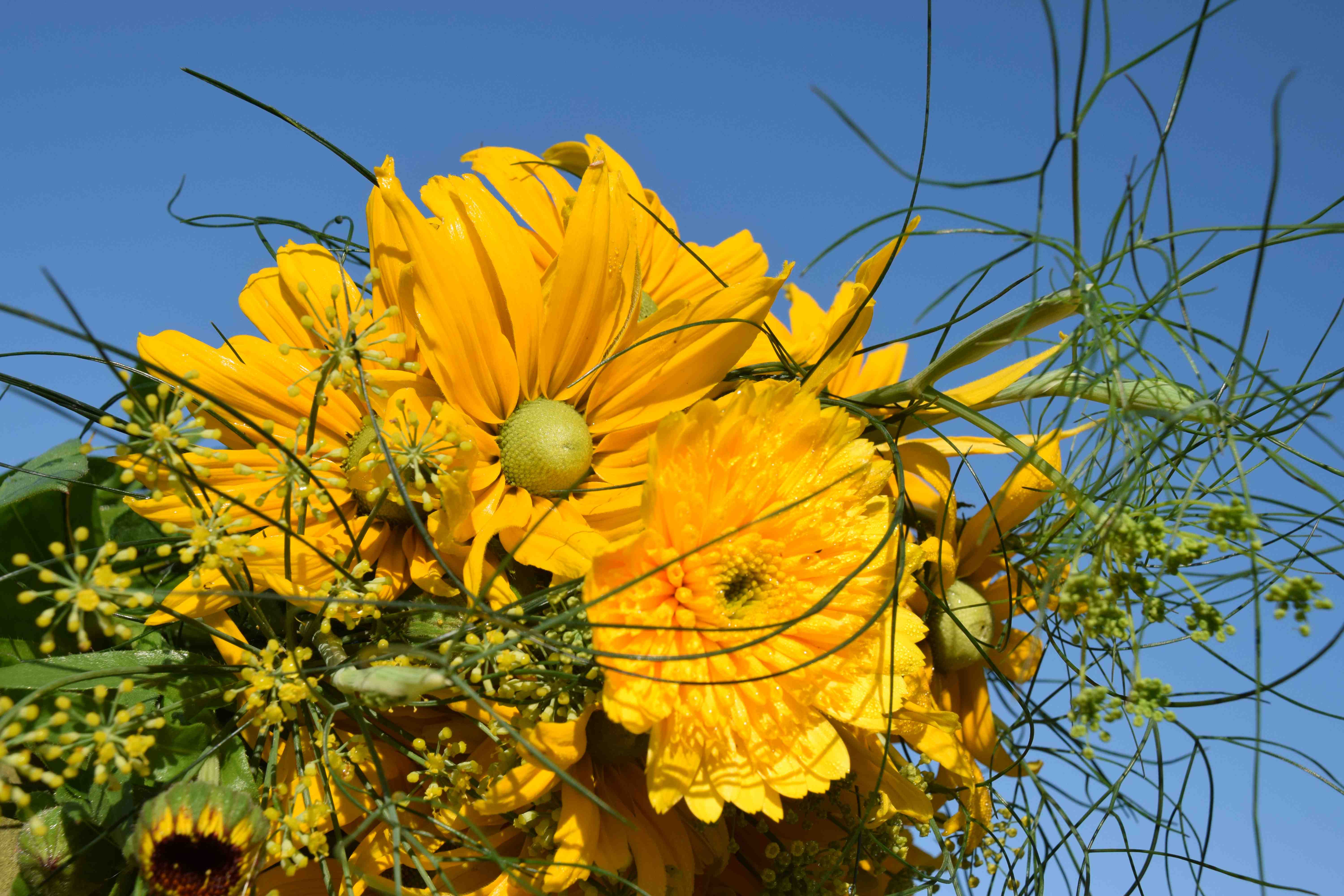
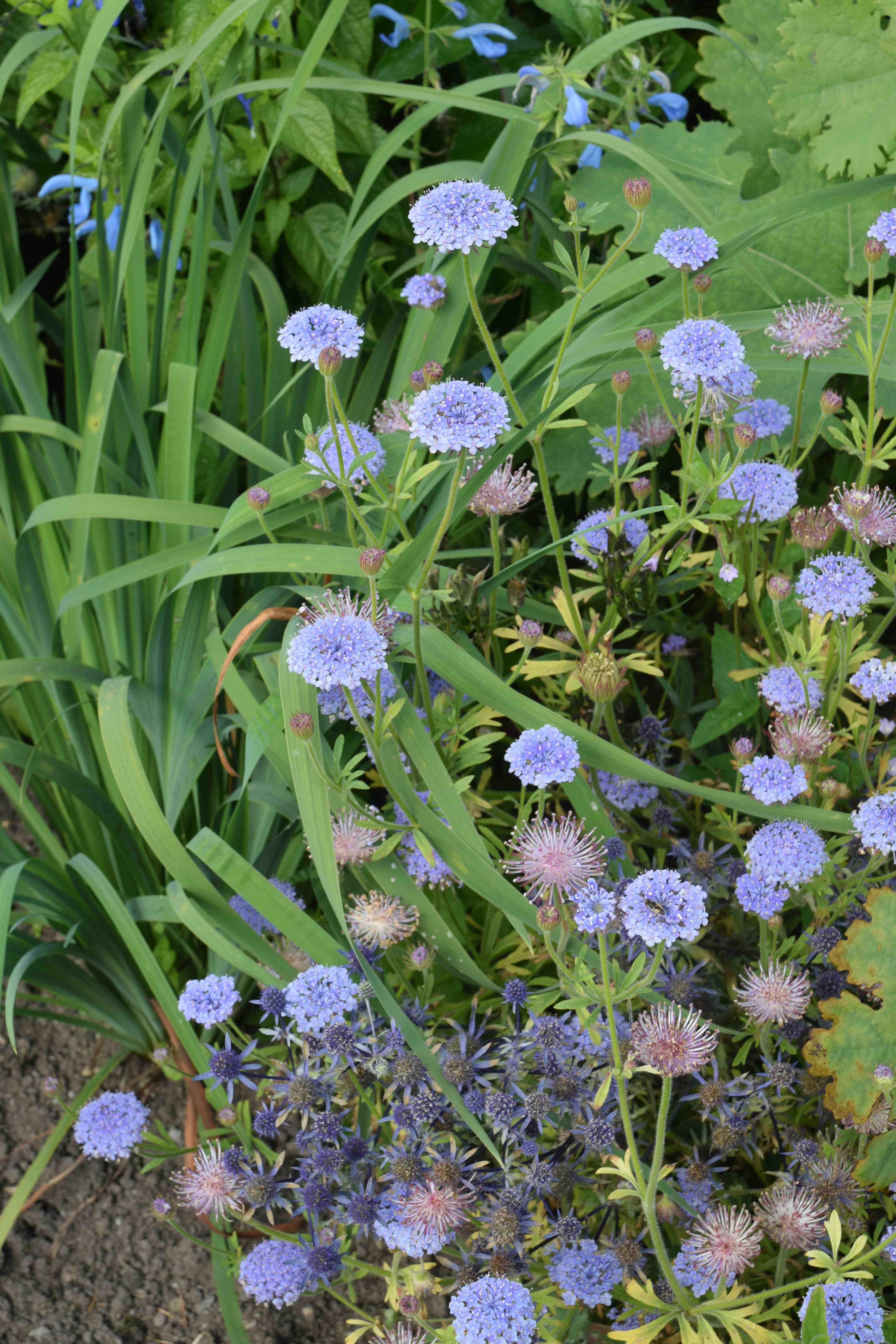
There are almost 450 genera and 3800 species in the Apiaceae. Most of them are annuals or biennials but there are perennials and a few shrubs. In our gardens they are best known as culinary plants and include carrots, celery, parsnips and whole host of herbs including parsley, angelica, coriander, chervil, dill and fennel. They are not as widespread in our flower beds but they are present in the perennial genera astrantia and eryngium as well as some annuals and biennials such as ammi. It is curious, to me at least, that the family is closely allied to Araliaceae, the ivy family. And so it is that Trachymene (didiscus) that I have long considered an umbellifer, is now in Araliaceae and more closely related to fatsia – such is the wonder of botany.
Although there are so many edibles in the family there is a problem and you can’t eat some of them. The cocktail of chemicals in them includes some that cause skin allergies (including celery and parsnips) and some are downright poisonous. The chemicals include furanocoumarins that cause phytodermatitis, making the skin sensitive to sunlight and can cause serious blistering.
The most famous of these is giant hogweed (Heracleum mantegazzianum), one of the few plants to have a whole song written about it, including the botanical name – because it is so euphonius. (Listen to Nursery Crime, Genesis 1971 – yes I was a big Genesis fan when they were at their best). Excerpts from the lyrics include:
‘Long ago in the Russian Hills
A Victorian explorer found
The regal Hogweed by a marsh
He captured it and brought it home
Botanical creature stirs! Seeking revenge
Waste no time!
They are approaching
Hurry now, we must protect ourselves and find some shelter
Strike by night!
They are defenceless
They all need the sun to photosynthesise their venom
Still they’re invincible
Still they’re immune to all our herbicidal battering
Mighty Hogweed is avenged
Human bodies soon will know our anger
Kill them with your hogweed hairs!
Heracleum Mantegazzianum’
For a pop song (I know that old Genesis was not a pop band and those of us that indulged in their music felt we were above pop) the lyrics are surprisingly accurate, though possibly inspired by ‘triffids’, and should be an anthem for all the ‘balsam batterers’ (the invasive Himalayan balsam) around the world. And, by the way, glyphosate will kill hogweed.
In fact, giant hogweed is a biennial and in the first year makes a clump of coarse leaves and in the second sends up tall, branched stems of flat heads of flowers. It is a majestic plant but sets thousands of seeds if allowed to develop. The plant dies after flowering. If not touched it is not dangerous but the stems are hollow and if used as pea shooters the results are serious. It tends to thrive along roadways and waste ground. It is much larger than the native hogweed (Heracleum sphondylium).
There are other notorious plants in the family. For some, the most hated is coriander, that herb that has a ‘marmite’ effect on people. I love it but I can totally understand why some would dislike it, unlike a hatred for courgettes – how could you hate something so bland?
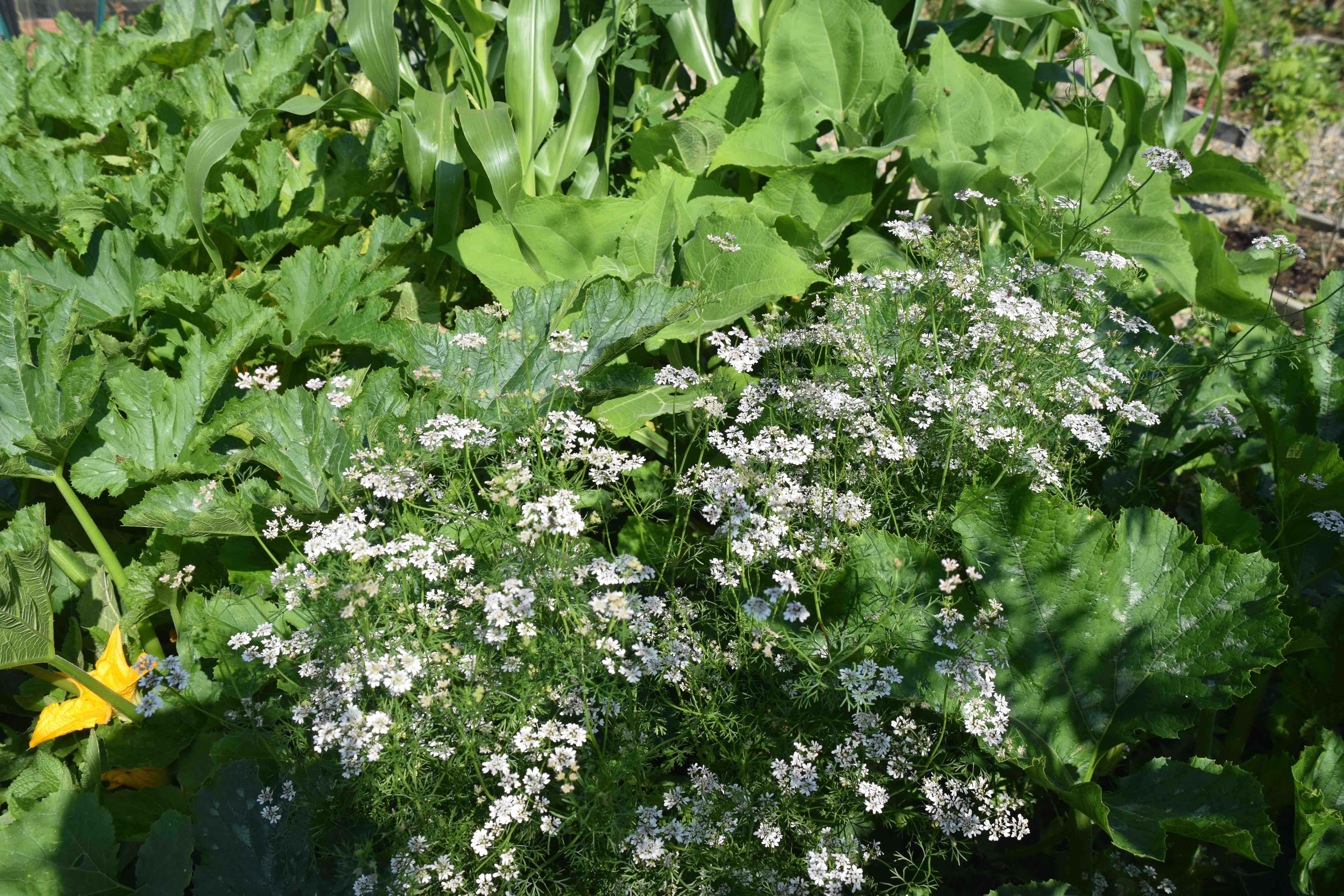
But the real bad boy is hemlock (Conium maculatum). Variously known in the UK by names including; devil’s flower, break your mother’s heart (presumably if you bring mum a bunch of hemlock flowers) and Honiton lace, the delicate white flowers are undeniably pretty and are held above red-spotted stems and a tracery of dark, green, filagree leaves. But it is the poisoning of Socrates that makes it most famous, ingestion causing irregular heart action, convulsions, loss of ‘sensation’ and then paralysis at the end to give the illusion of death although the poor unfortunate may still be technically alive. There are gruesome tales of animals eating it and appearing dead when they were then slaughtered alive. According to Culpeper’s Herbal (1826) ‘Saturn governs this plant. It is exceeding cold, and of a very dangerous quality, consequently must not be applied internally’ It is of good effect for inflammations, tumours, and the swelling of any part of the body, the privities excepted. .. Should any person unfortunately, through mistake, eat the herbage of this plant instead of parsley, or the root of parsnip… it will certainly cause a frenzy and stupefaction of the senses. I will recommend to the patient the strongest and best wine they can procure and to drink it immediately.’
It probably didn’t help much but at least you might die happy!
It is actually a common weed of poor soil and of wasteland.
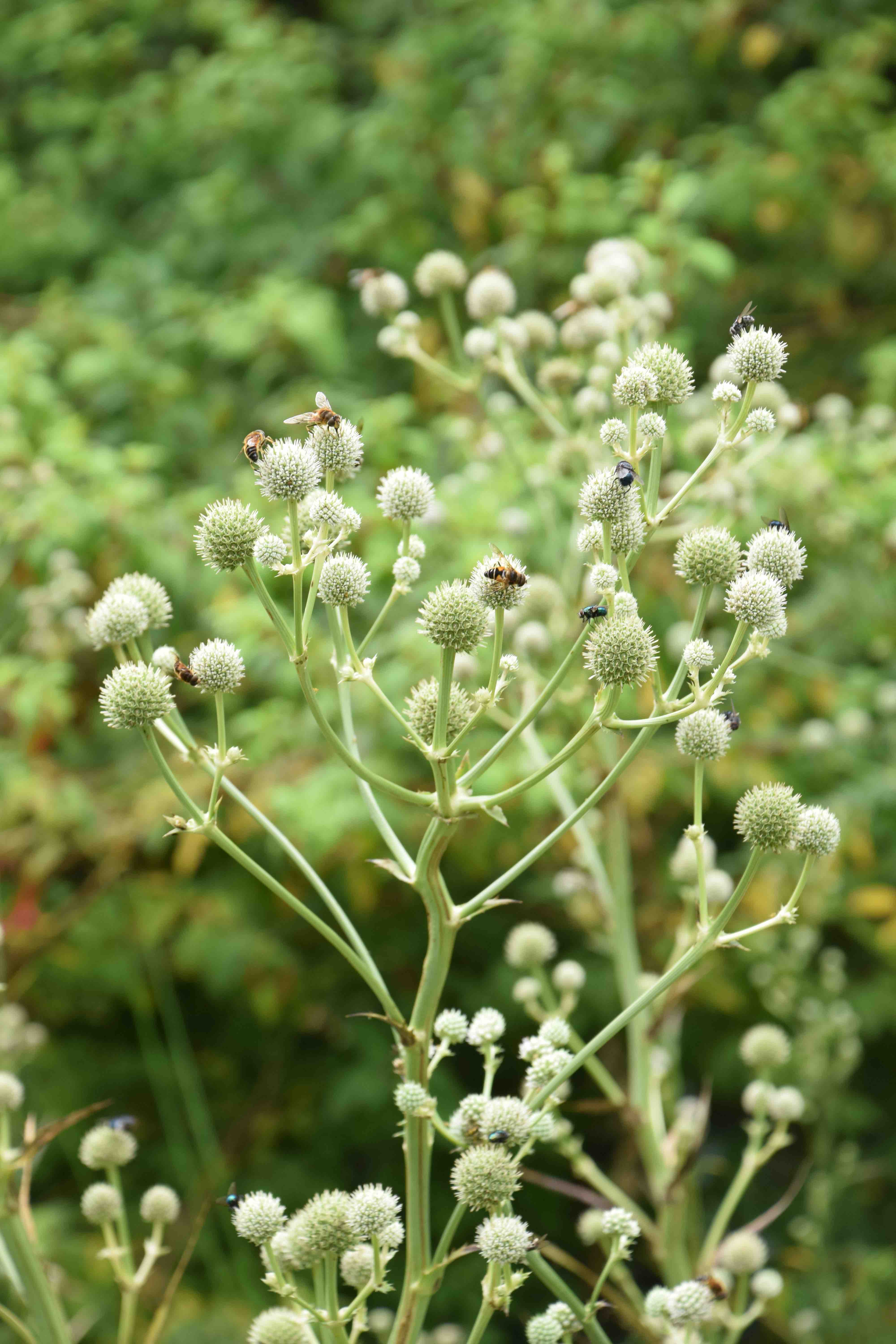
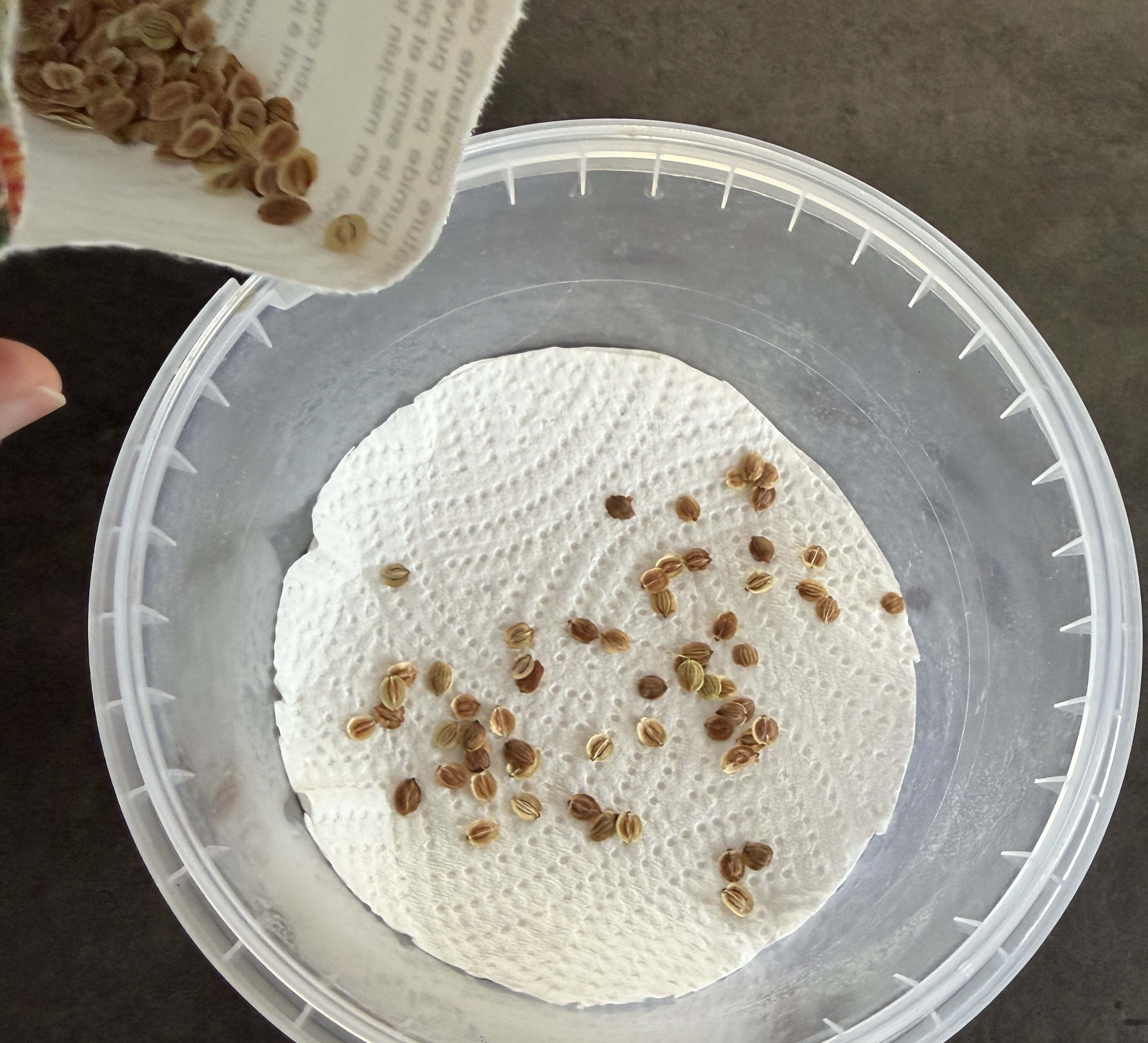
Apiaceae are usually valuable for wildlife and the flat heads of flowers are usually covered in various insects including bees, hoverflies and other flies and beetle. The individual flowers provide easily accessible nectar. The flowers are followed by pairs of ‘schizocarps’ containing one seed, which are usually flattened and shed to be distributed by wind, but not always. The endosperm of the seeds is usually oily and seeds are frequently used for flavouring foods – cumin, coriander and fennel.
The most decorative, with obvious bracts, are eryngium and astrantia.
 The Biking Gardener
No comments yet.