Plantaginaceae 4: snapdragons and more
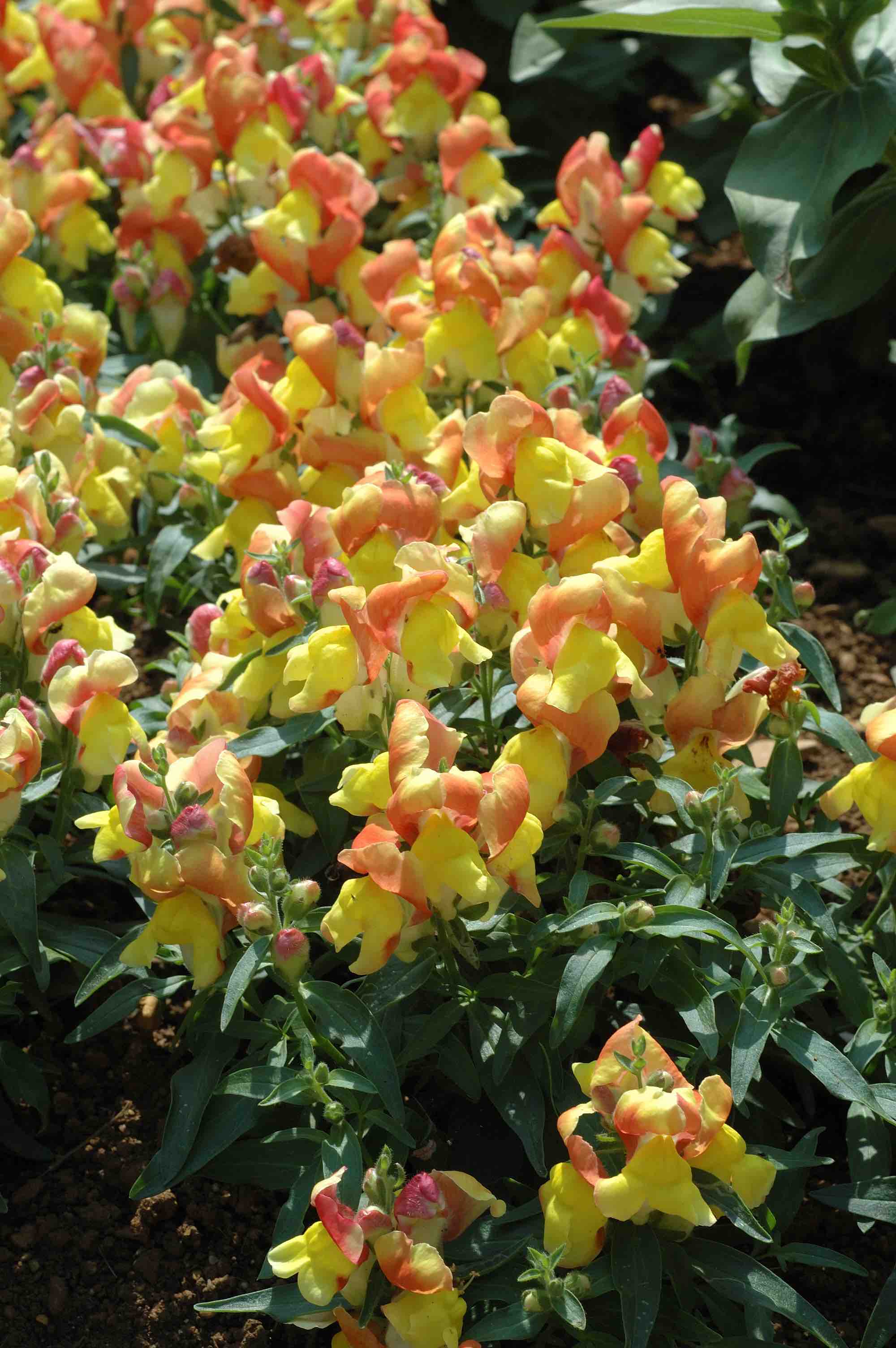
Some members of the Plantaginaceae are common bedding plants, temporary flowers for summer colour.
Antirrhinums are well known garden flowers, commonly called snapdragons or ‘bunny rabbits’. The two lower petals of the flowers are bent up in the centre to make a two-lipped dome which presses against the base of the upper three and closes the flower and prevents pollination by small insects. These might rob nectar without being large enough to collect pollen on their backs and deposit it on the stigma. As such, only large bumble bees can force their way into the blooms. I always think it must be quite scary for the bees as the flower closes behind them and they are enclosed in the bloom, but I guess their need for nectar overcomes any nervousness in the way that extreme hunger must have forced the first person to eat an oyster.
Anyway, if you squeeze the flowers from the side you can force the mouth of the flower to open and close – hence the common names.
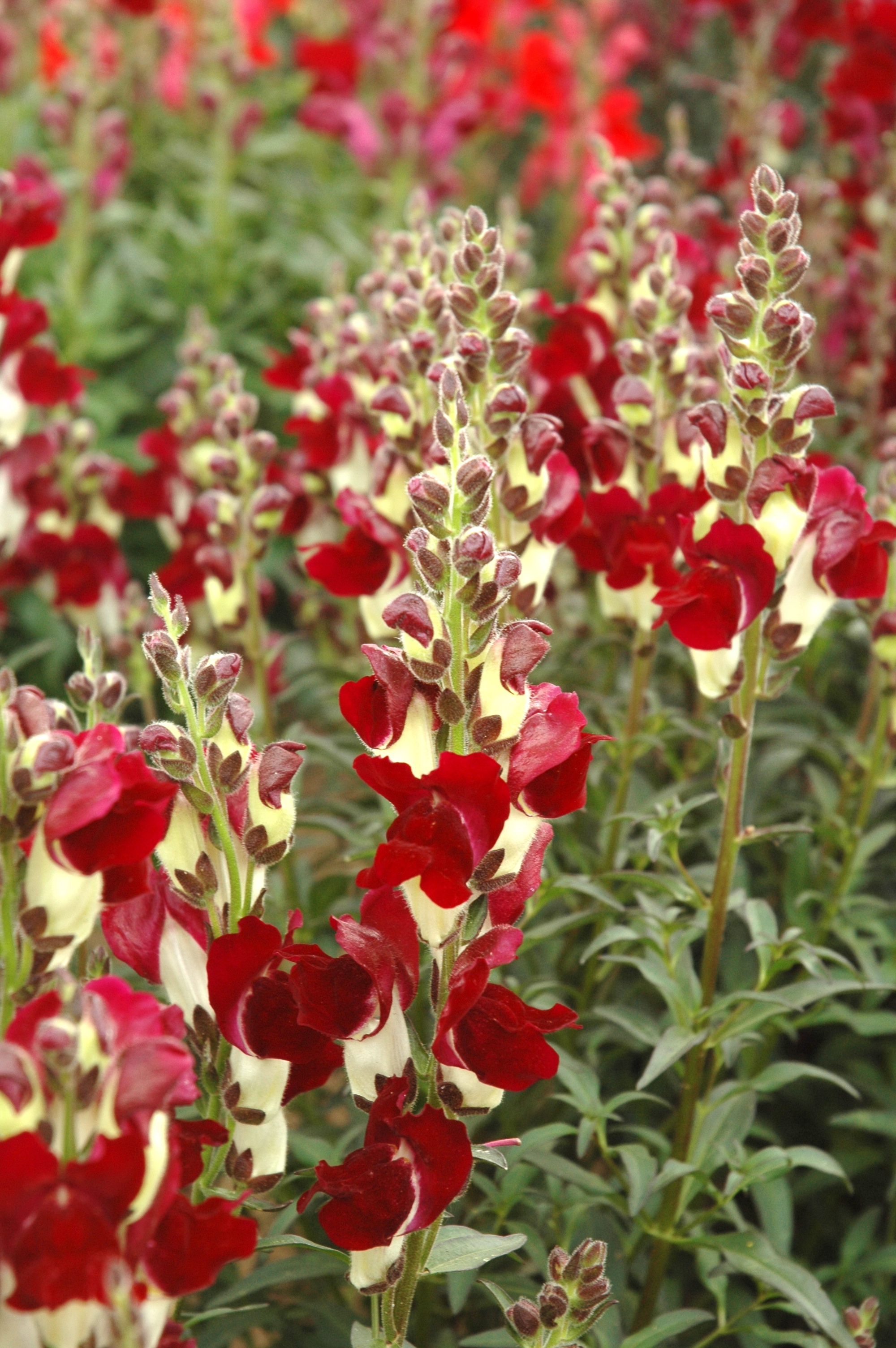
Antirrhinums (there are from 2 to 20 species according to your opinion), from Europe, eastwards, and which are known in gardens mainly as A. majus, are annual or perennial, usually woody at the base, though A. majus is almost shrublike and can live for many years if growing in well drained soil or in walls or cliffs. It is usually treated as a half hardy annual but tolerates light frost. For this reason it is usually sown early in spring, helpful because, compared to other bedding plants it takes a long while to reach flowering size. The seeds need light to germinate and are very prone to damping off.
There is a huge variation in horticultural kinds, from small, creeping kinds to tall kinds bred for cut flower and lots in between.
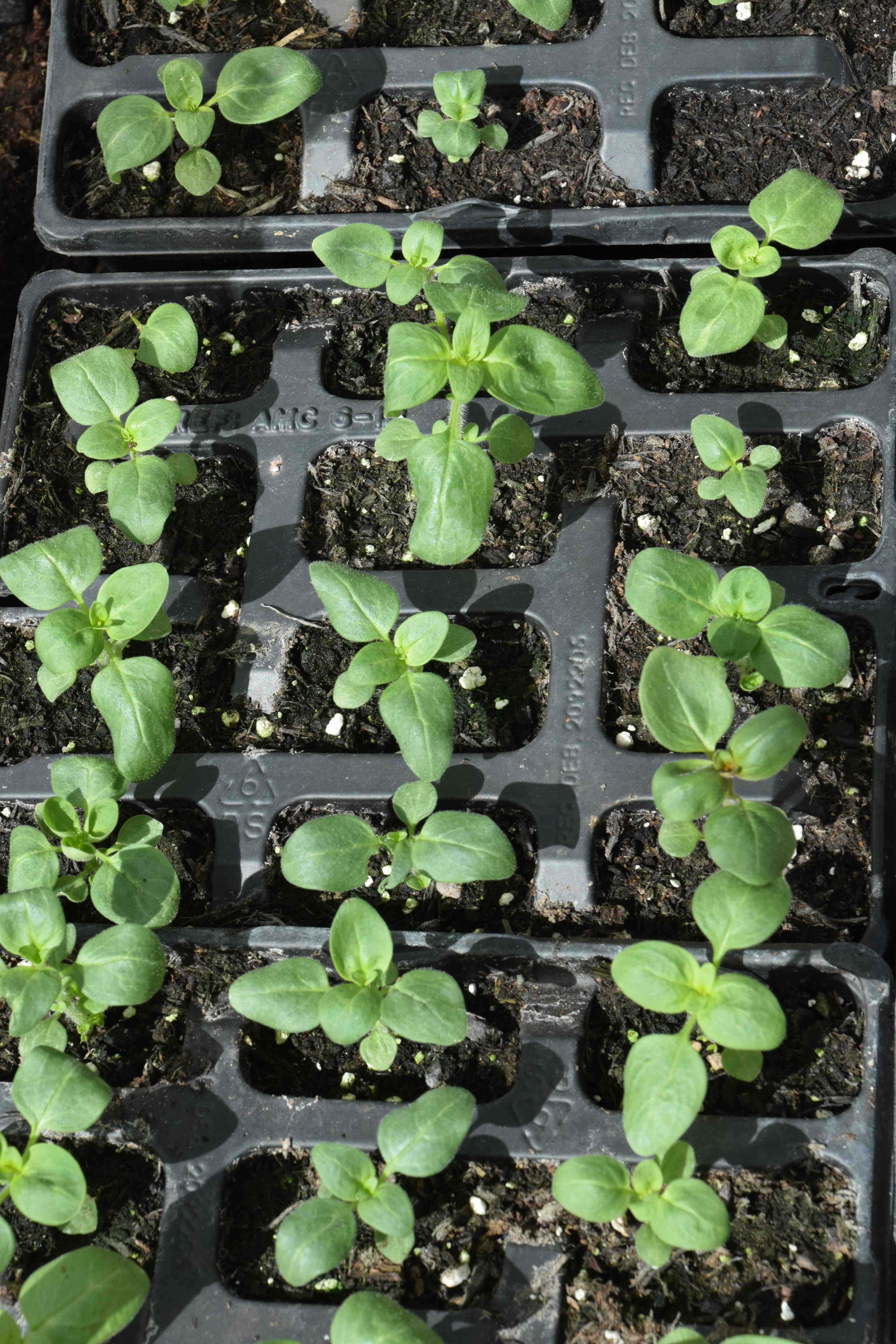
The tall kinds make good cut flowers and they can be fragrant. The ‘trumpet’ kinds which have five ‘upper’ petals and no ‘snout’ and the doubles are no good for pollinators.
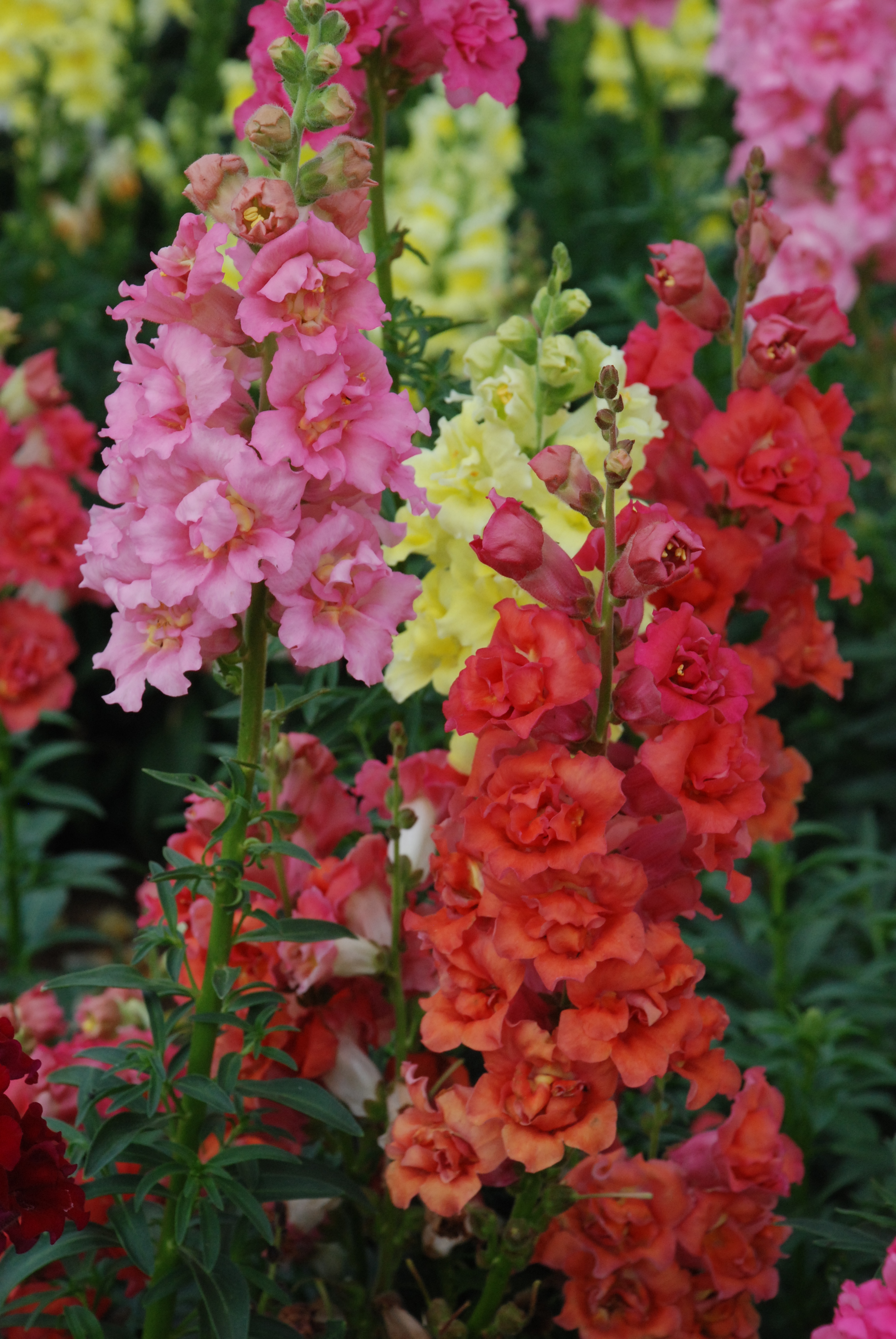
The antirrhinums offer a huge colour range and some with dark leaves. Because they are strictly perennial they can be propagated from cuttings if required. If left in the ground they usually survive winter here and I should experiment with growing them as biennials really. This would extend the flowering period. Most will keep on blooming until frost provided they are deadheaded except the dwarf kinds that simply do not have enough sideshoots to carry on growing and blooming.
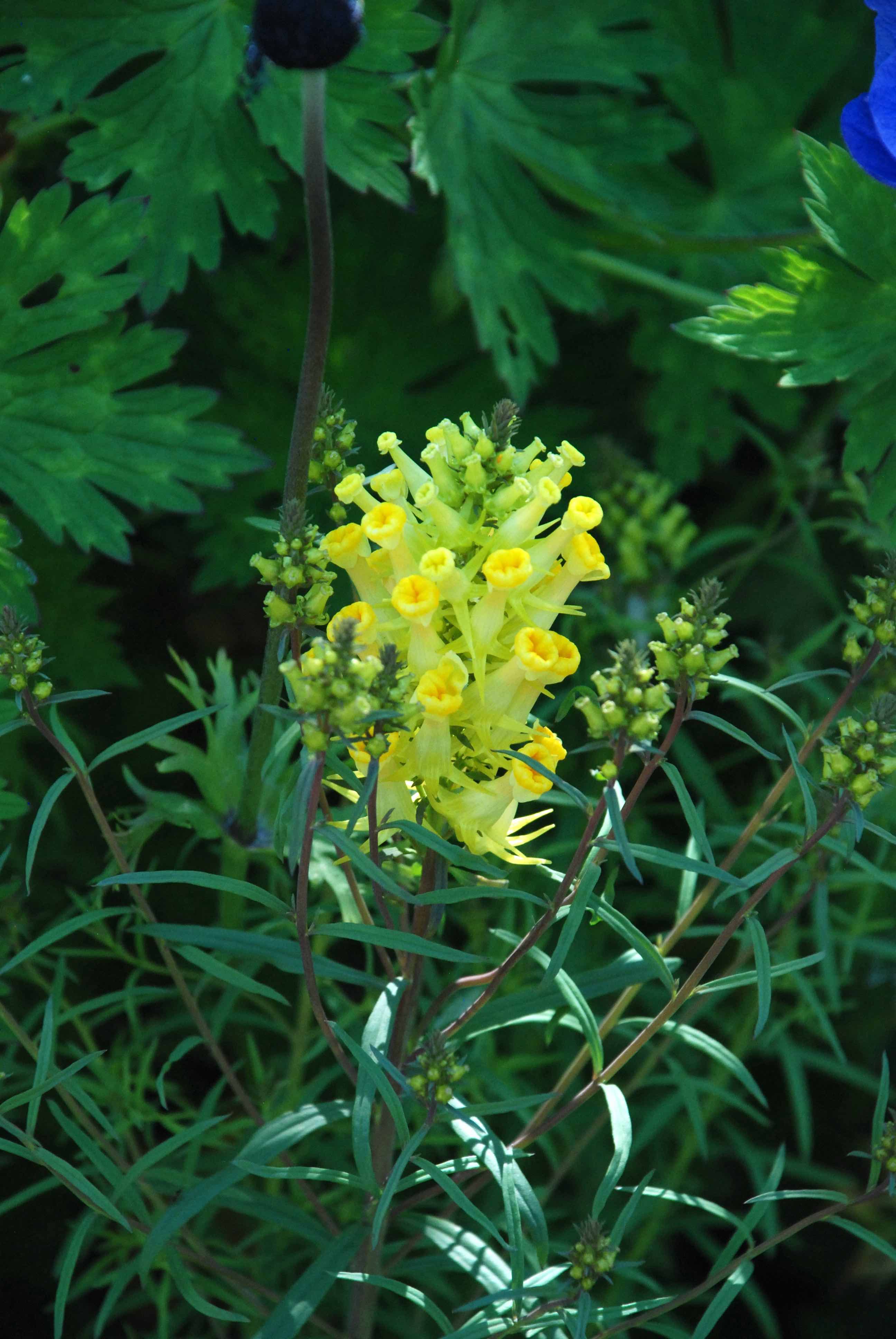
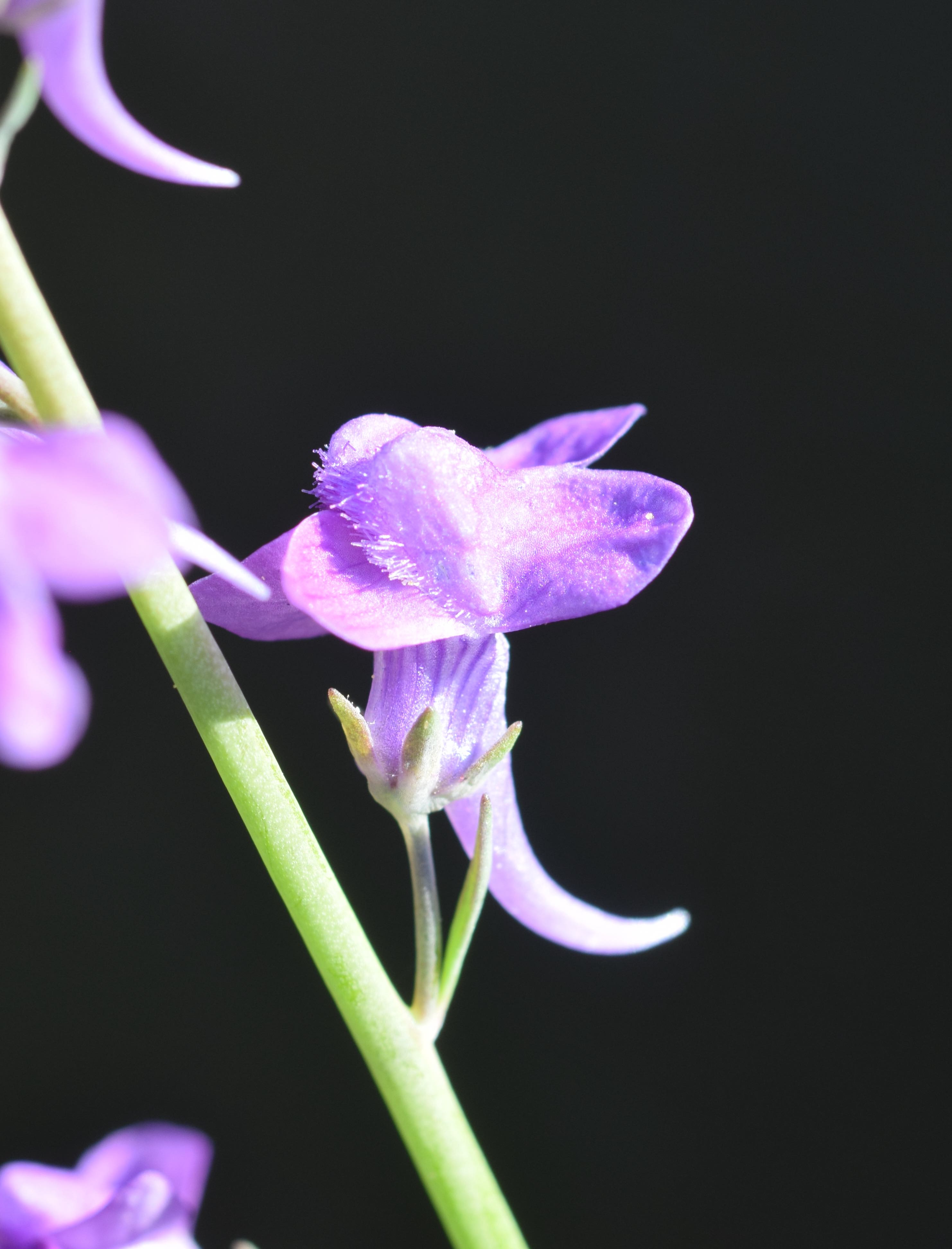
Closely related and with flowers of a similar structure, the linarias are another group of lovely plants, often seed as hardy annuals. In UK gardens the genus is best represented by L. purpurea which is a tall, willowy beauty with narrow, greyish leaves and pale purple blooms – there are pink and white forms. It is perennial and prefers light soil and can seed prolifically.
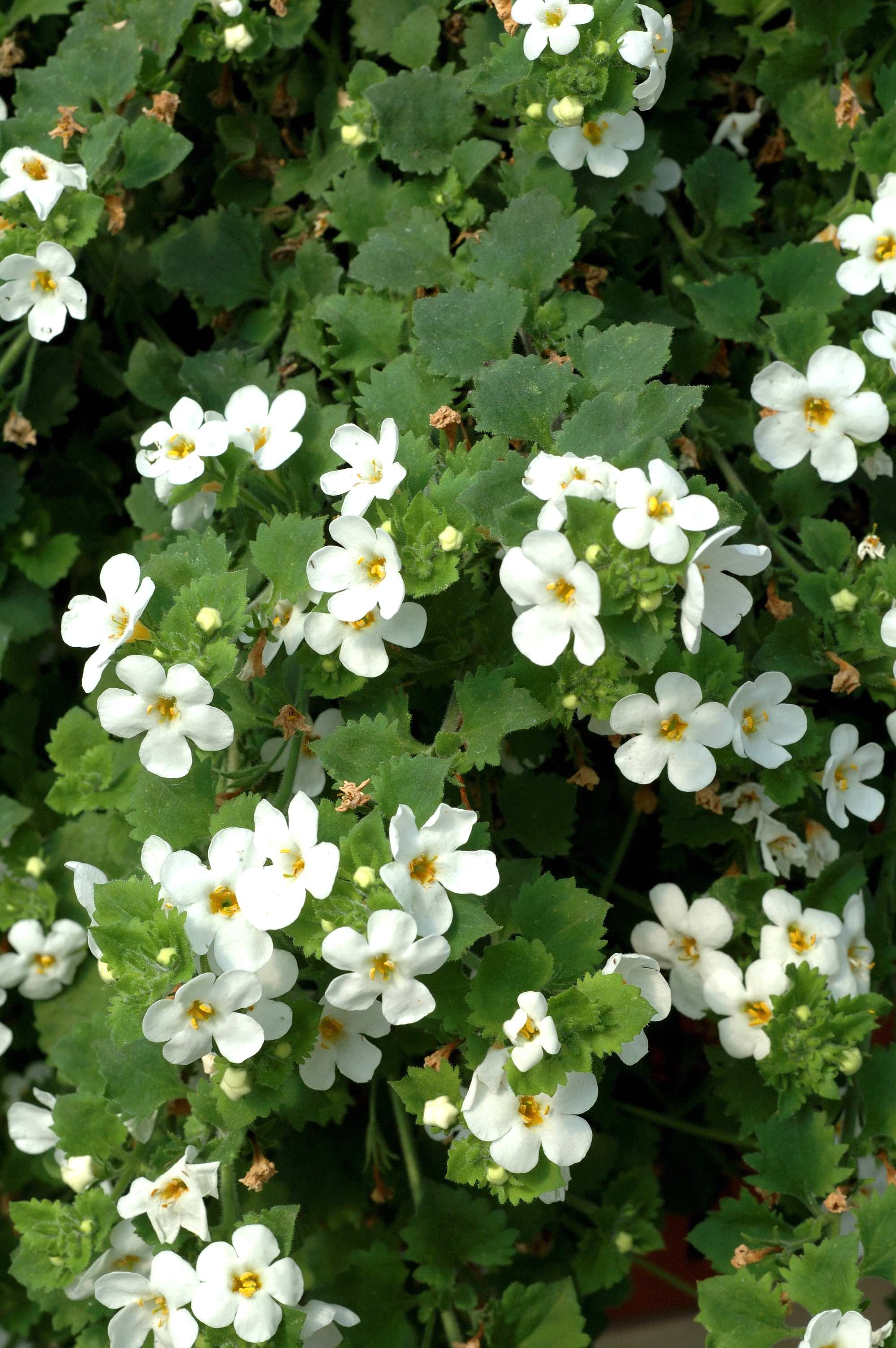
When it comes to patio pots and baskets the most commonly grown representaive is Chaenostoma cordatum although you probably have not heard of it. It is sold as bacopa, an unrelated plant. Naturally a low, spreading plant with five-lobed white blooms, it is rather dull, but breeding has created cvs with larger flowers and a range of colours from lilac to pink. It is almost hardy, grows well and is very useful. Jamesbrittenia is more interesting and may have been involved in the breeding because it has salmon pink flowers.
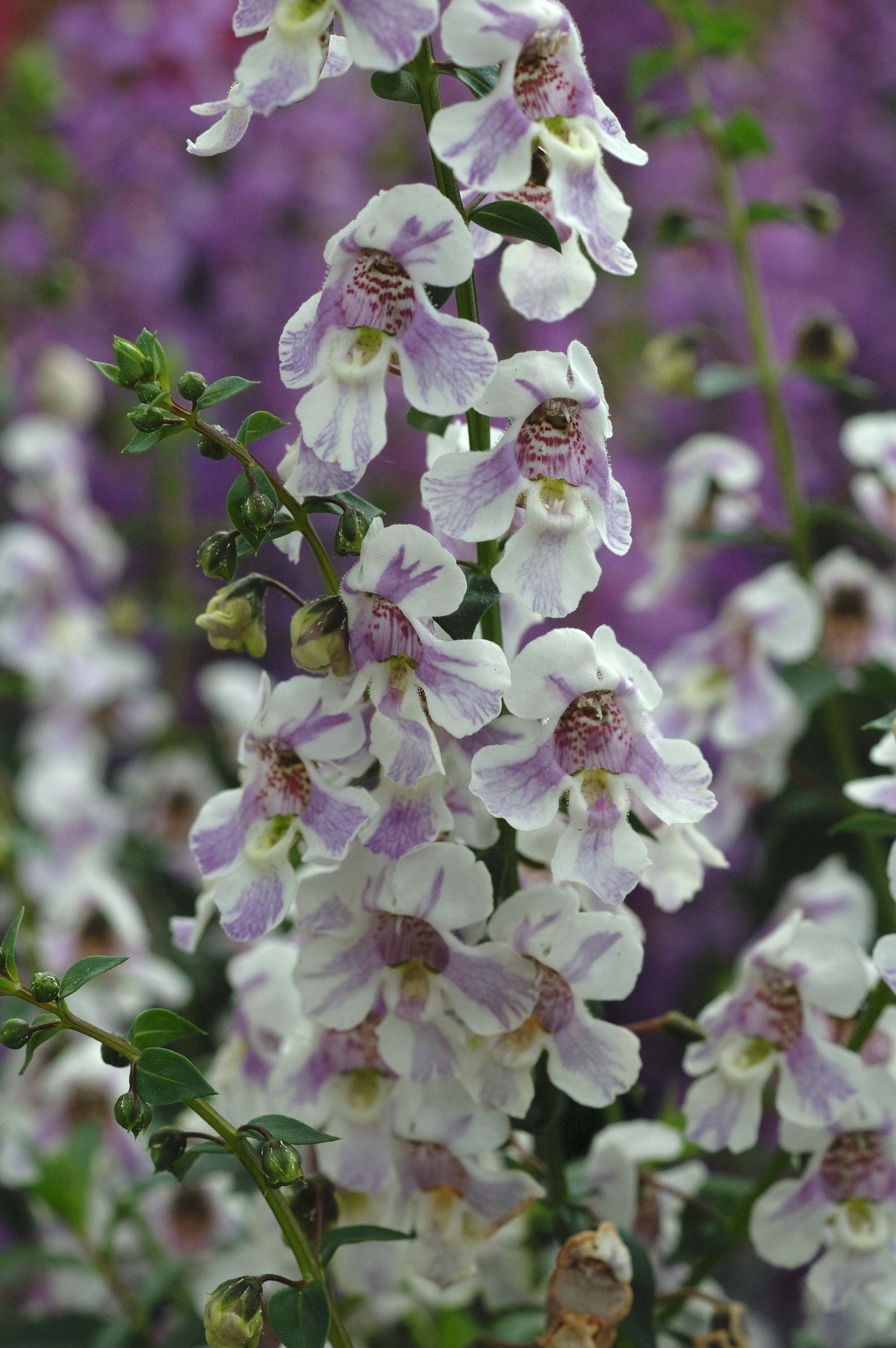
Angelonia is a relative newcomer to UK gardeners and is a low, shrubby plant with five-lobed flowers in white, pinks and purples and a lovely thing. If it has a problem for growers, sellers and gardeners it is that the stems tend to be brittle.
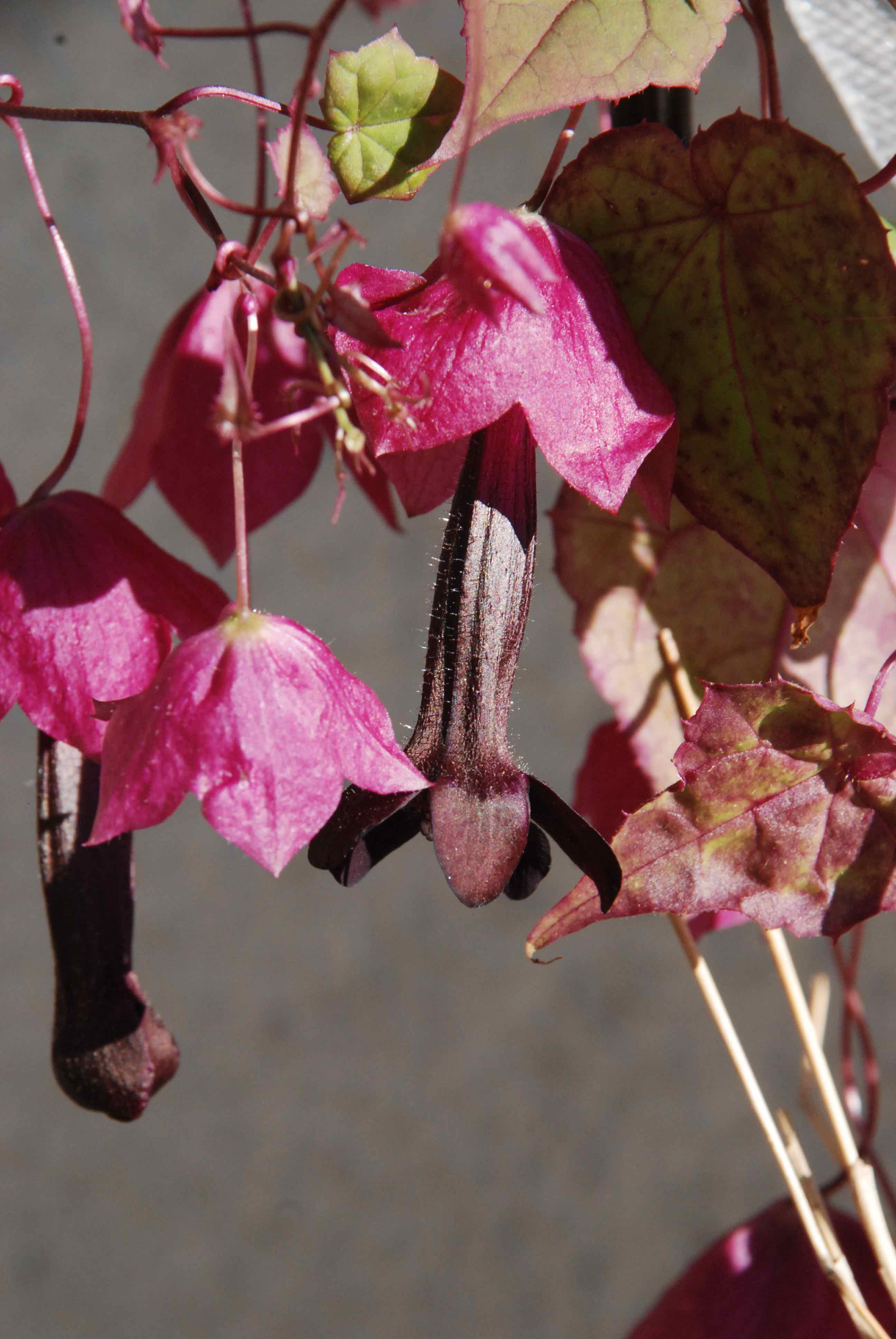
If you want a neat, attractive climber for your patio pots there are asarina and maurandyas, quite easy to please and to grow from seed and, if you want something really smart, there is rhodochiton with long-lasting bell-shaped calyces and dark aubergine, tubular flowers.
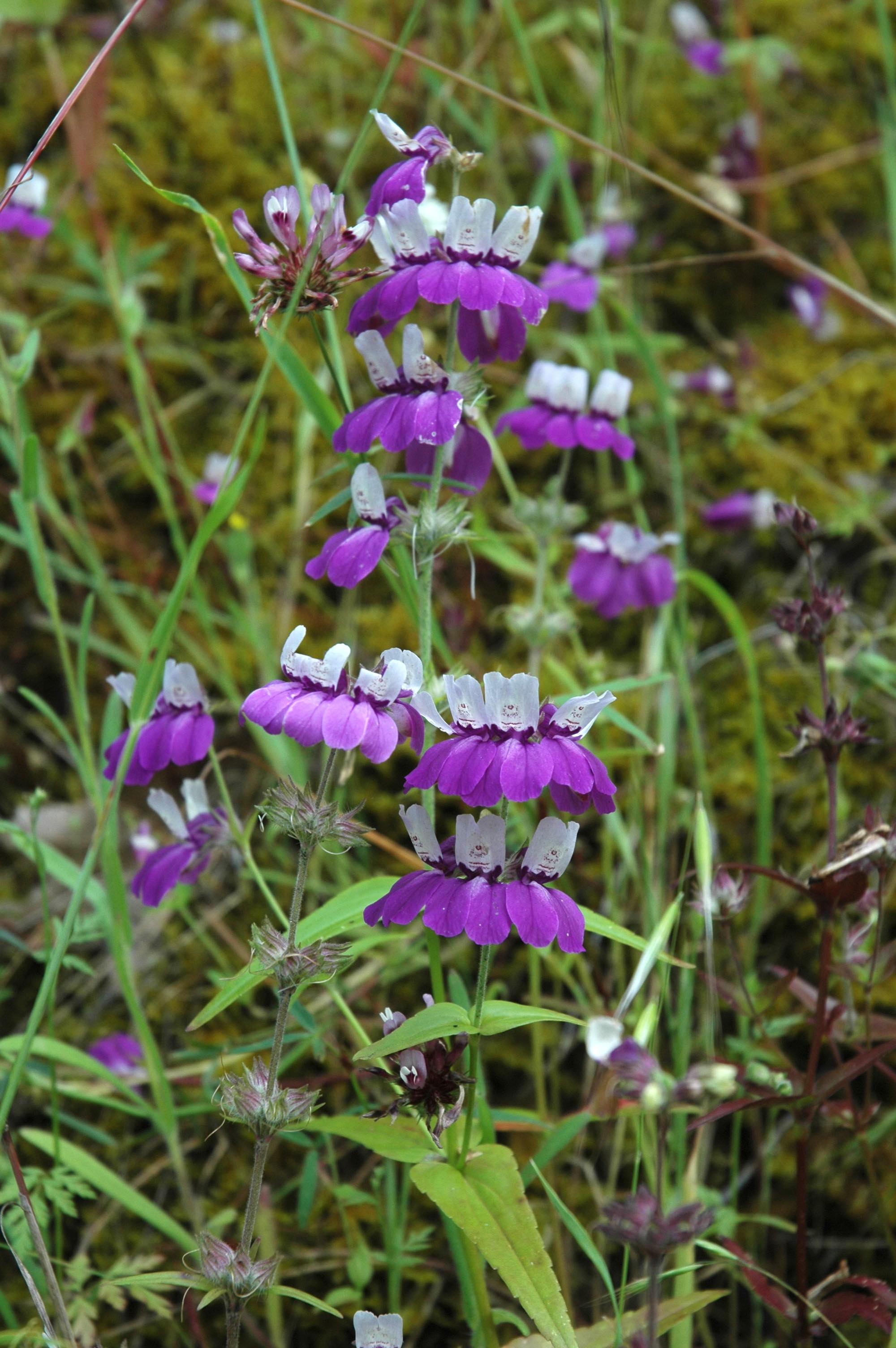
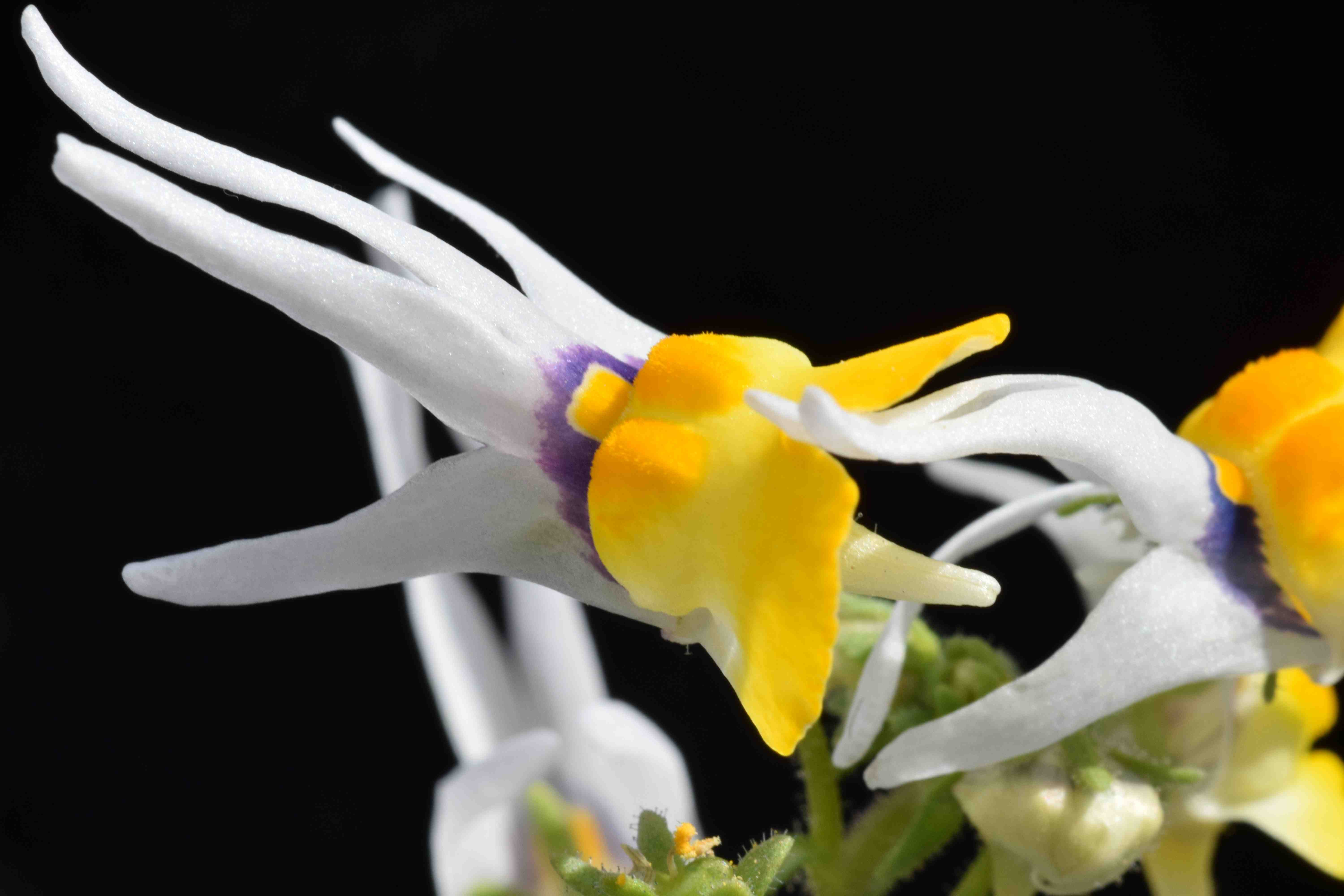
Not often grown, collinsia is an American annual, called Chinese houses, with intriguing purple and white flowers. The South African nemesia and diascia deserve a mention and are a big deal these days with new perennial kinds being introduced annually.
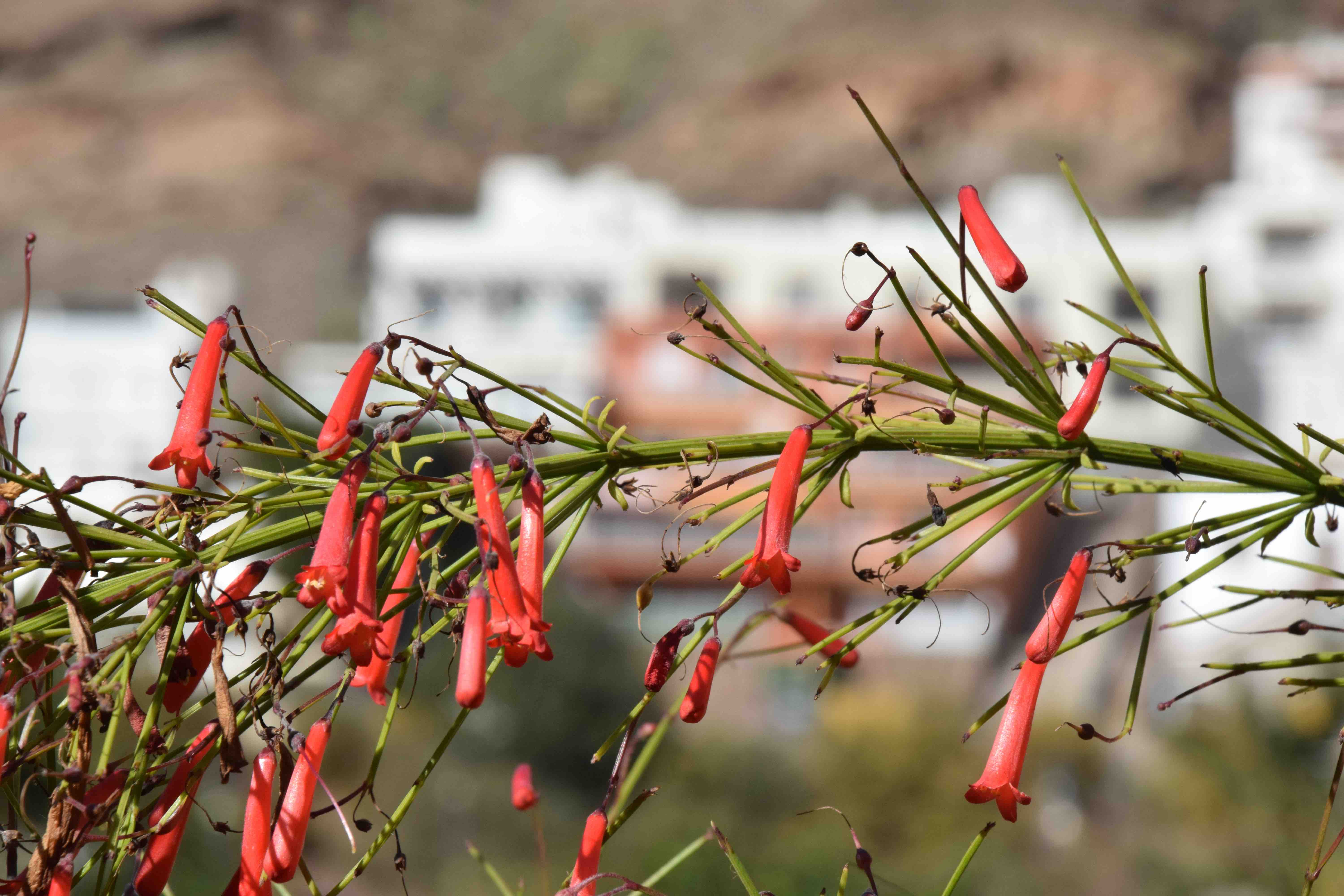
And if you live somewhere warmer than here the firecracker bush Russelia will be in your shrub border.
phew!
 The Biking Gardener
The purple Linaria does well in my sandy soil. It’s almost a weed, in fact. Snapdragons self-sow and produce a range of colour combinations; some are nice surprises.
Yes it was a weed when I had light soil, but a nice weed.