Brassicas 2
Edibles
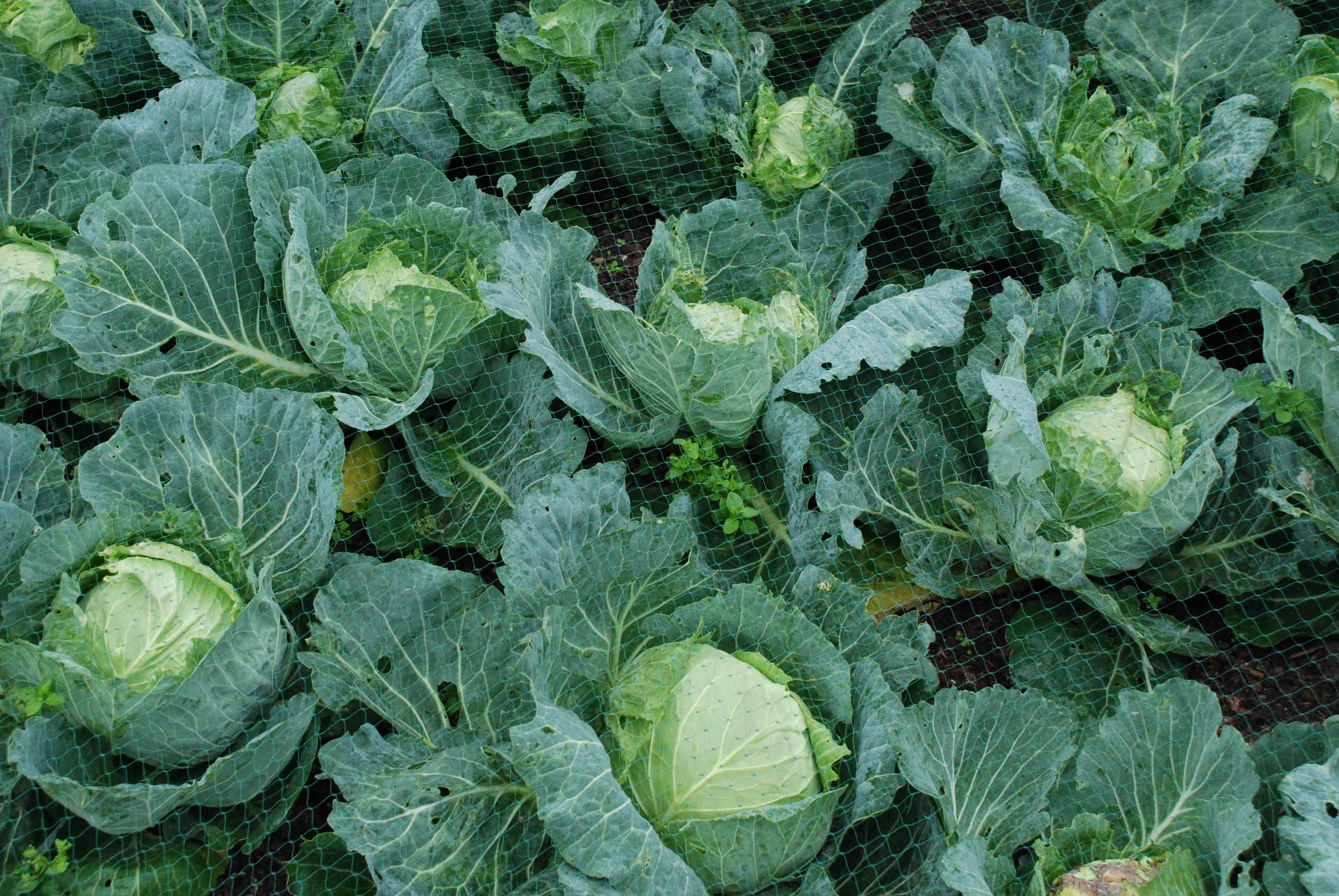
From an economic point of view, the genus brassica is by far the most important. If you have a healthy diet you will eat lots of brassicas.
I have written a lot about the various common brassica vegetables over the years such as here. Or try typing them into the search bar if you want to know more.
One species alone has been developed into a multitude of vegetables:
Brassica oleracea, has been developed into:
Kale (Brassica oleracea Acephala group)
Collard greens (Brassica oleracea Acephala group)
Cabbage (Brassica oleracea Capitata group)
Brussels Sprouts (Brassica oleracea Gemmifera group)
Kohlrabi (Brassica oleracea Gongyloides group)
Broccoli (Brassica oleracea Italica group)
Cauliflower (Brassica oleracea Botrytis group)
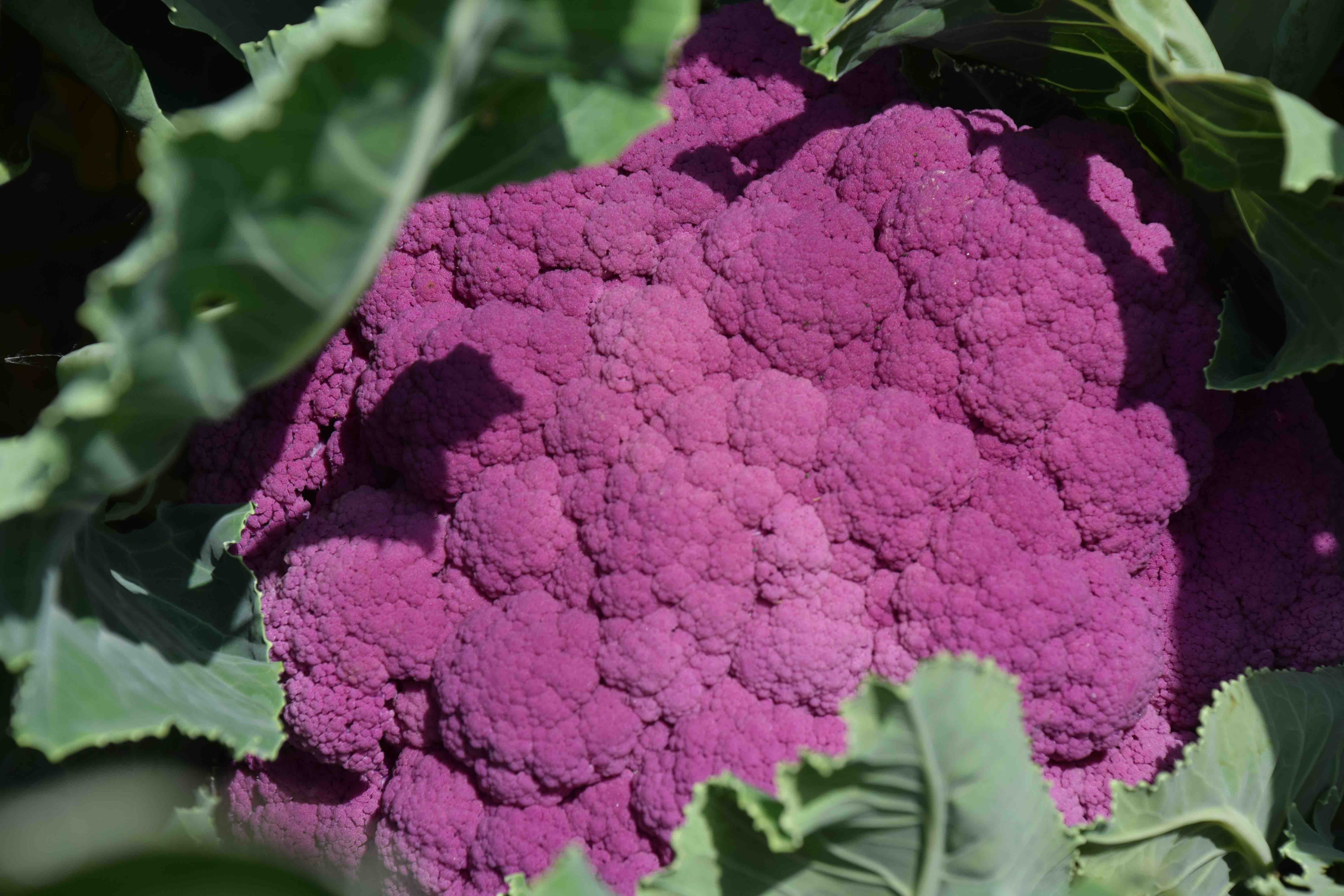
Quite when these different forms were developed is hard to be sure of but because these are globally important crops, much research and development is still going on. In recent years coloured cauliflowers have been introduced with green, purple or orange curds. These are nutritionally superior to white cauliflowers which have none of the beneficial green pigments of other, leafy brassicas. Even so, I found it difficult to eat the ‘Parmac’ cauliflowers I grew (above). When cooked they turned blue and I could not overcome the look of them – food should just not be blue! This year I did what I said I would never do and decided to buy and try some purple-fleshed potatoes but, by a twist of fate I see that I have been reimbursed to the exact amount that they cost so when my order arrives I think I will only be growing red-skinned but white-fleshed spuds. Someone is looking over me maybe. Just a shame they know more about spuds than finance.
Another new crop is ‘Brukale’ or flower kale which is a cross of kale and Brussels sprouts. I find it well worth growing except that the open ‘sprouts’ are prone to being infested with mealy aphid making it a difficult crop to grow organically unless under fleece, not easy since the plants are tall.
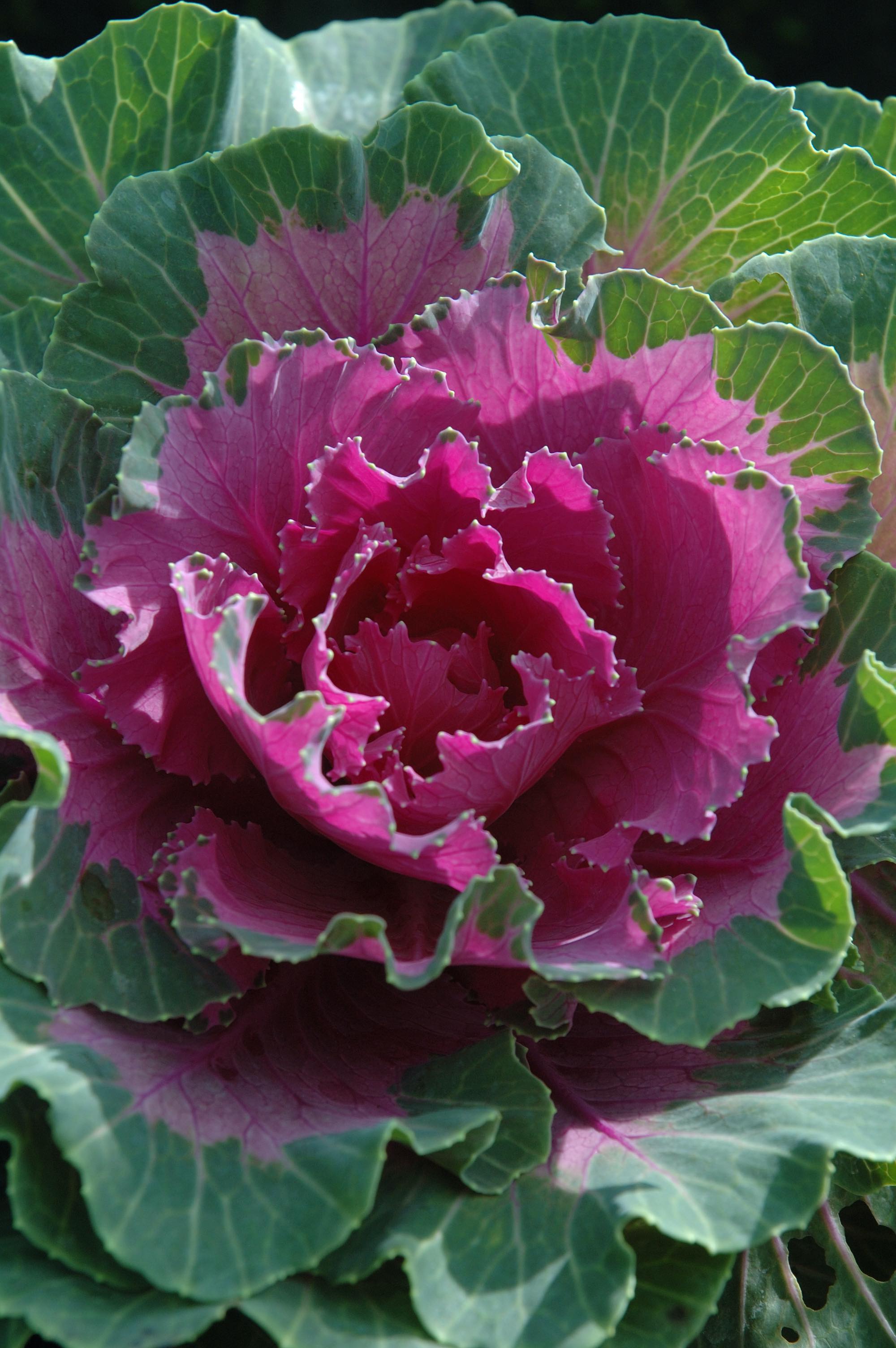
Colourful ‘flower’ or ornamental kales and cabbages have been grown for ages but they are a bit tough to eat. Recent developments have produced tasty, tender kinds that look amazing.
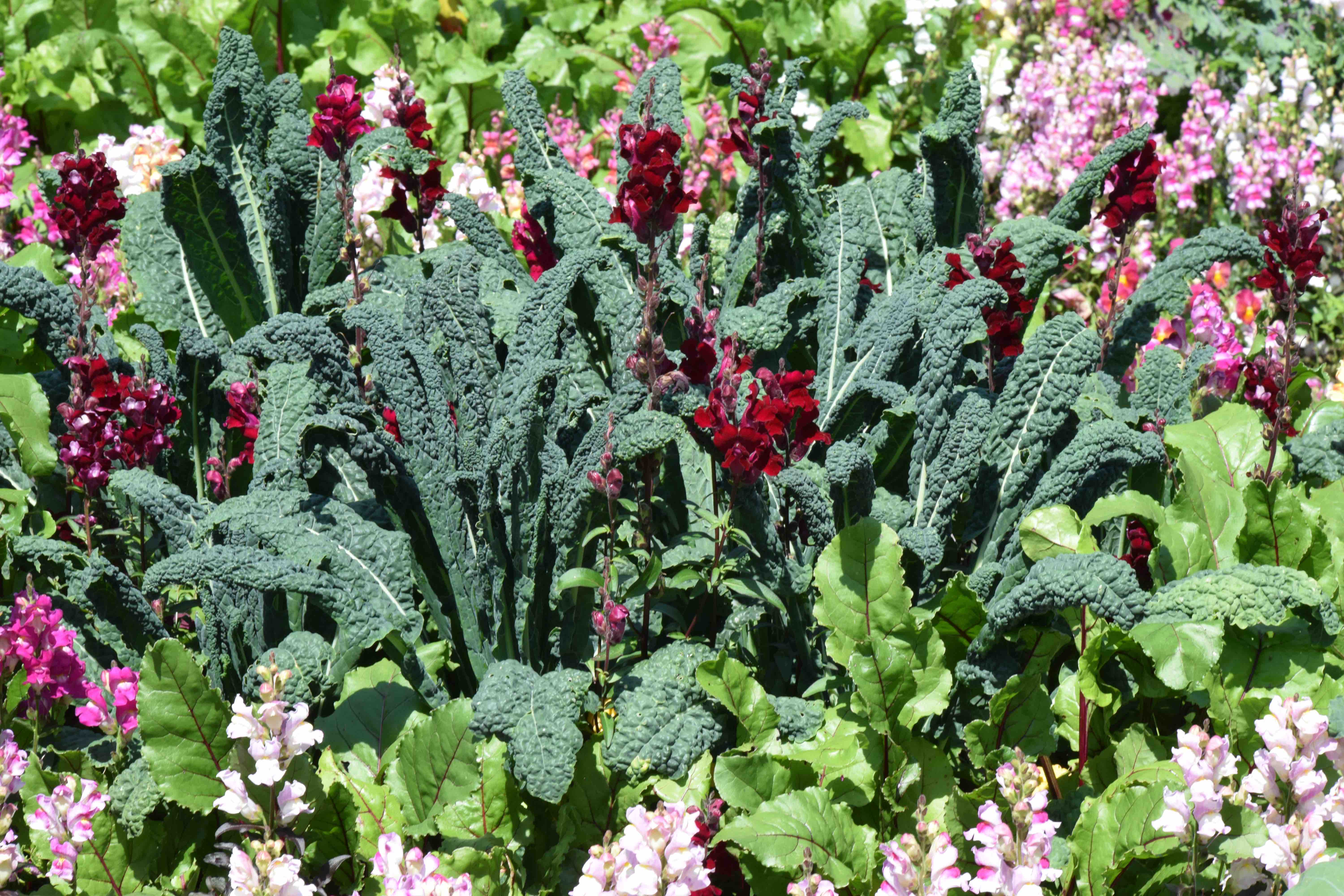
Interest in the health benefits of kales have seen a huge interest in ‘Cavalo Nero’ which has deep green, puckered foliage and a very strong taste. I am not sure quite why this is so popular. It is not especially tender and it does have a strong taste. The midribs are especially tough and you need to strip the leaves from this before cooking. People who should know better in marketing departments will call it ‘dinosaur kale’ in an attempt to make it desirable to kids but I would be very wary of a child that laps up this particular vegetable. Of course it is very good for you with all that ‘greenness’ and vitamin K. And yes I do grow it but only pick the young, most tender leaves and make sure it is served with lots of butter so the fat-soluble vitamins are absorbed!
New, F1 hybrids have been developed.
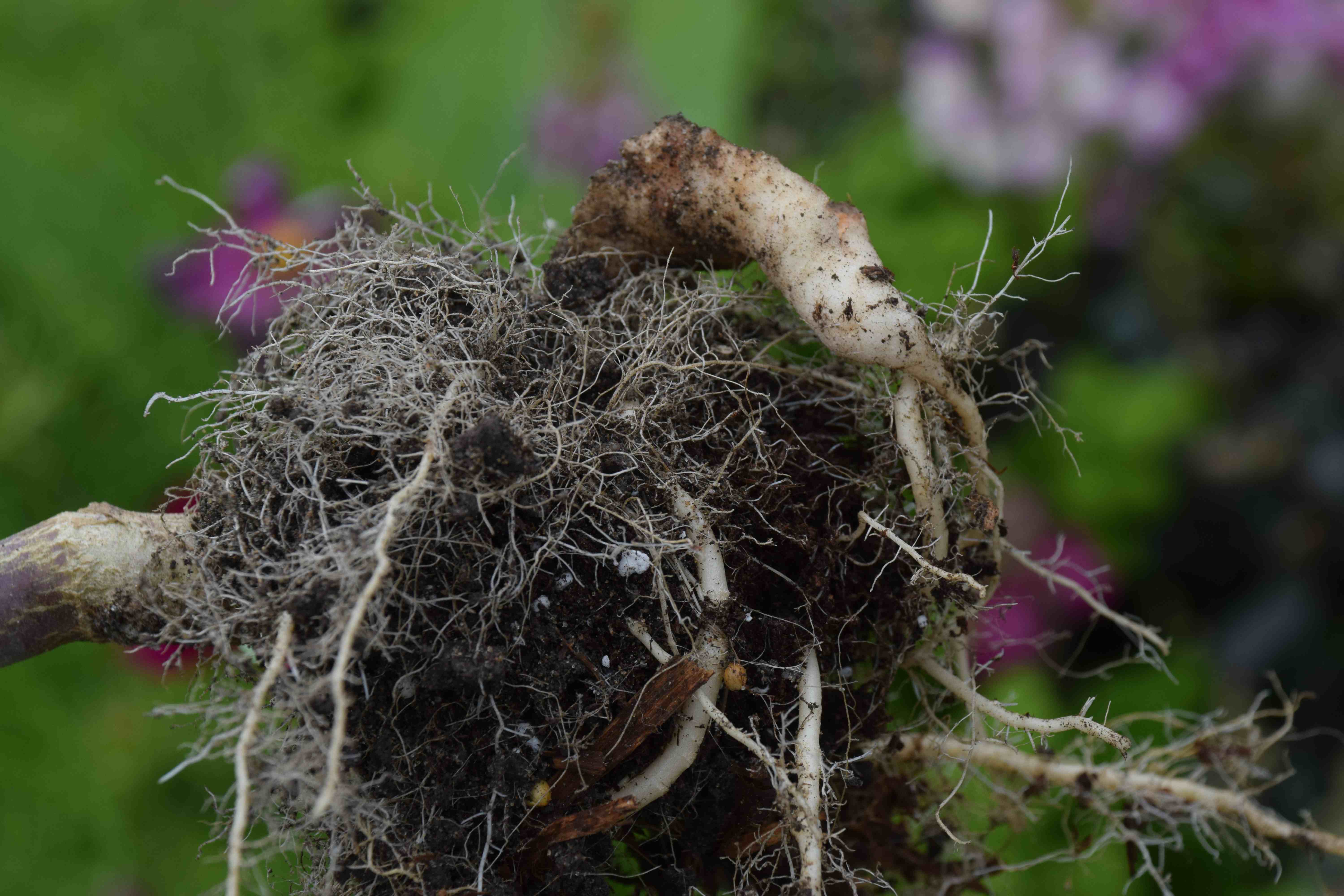
Another development has been the breeding of clubroot-resistant crops. There are now clubroot resistant cvs of cabbage, Brussels sprouts, cauliflower, calabrese and swede. These make it possible to grow crops in soil infected with clubroot (Plasmodiophora brassicae). The disease infects the roots, causing then to swell and become distorted, leading to the common name of ‘finger and toe’. In the past it was possible to apply fungicides but these are no longer available, in Europe at least. Liming the soil to increase the soil pH can limit the disease and is good practice anyway since these crops all prefer a soil with a high pH. But it will not cure the disease. Do not grow susceptible plants in soil infected with clubroot, including stocks, wallflowers and honesty.
If your reason for growing your own veg is to produce tasty food rather than stick by the books then all the kales, Oriental veg and many others are valuable when they sprout flower stems in spring, by which time they should really, according to ‘the books’, have been composted. Picked as these shoots start to grow, they are a tasty alternative to broccoli.
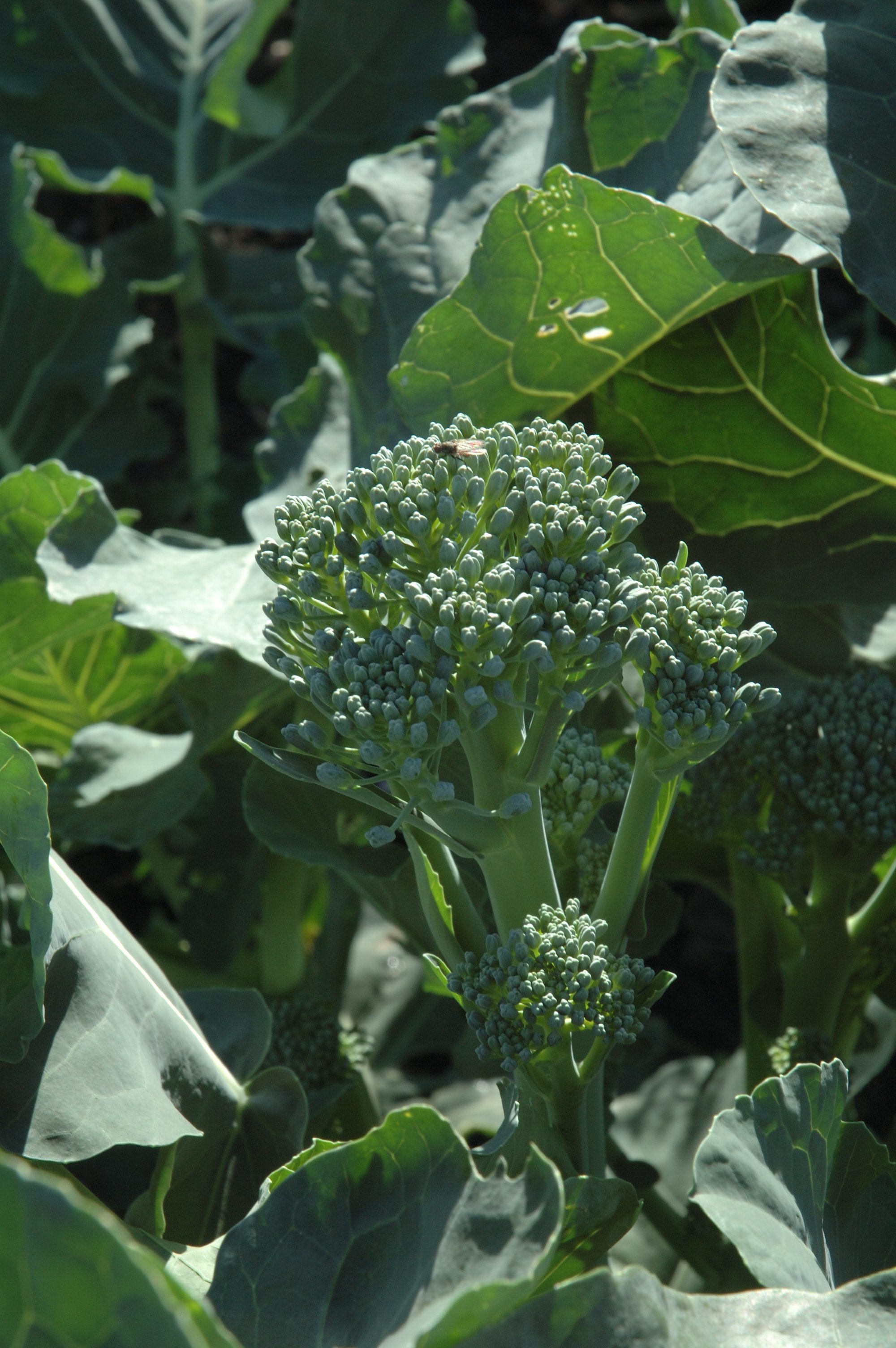
As the wide range of variants among the plants show, all parts of the plants are edible: cauliflower is the head of partially developed flower buds, most are leafy vegetables and kohlrabi is the swollen stem of the plant, a reason why the stems of calabrese should be peeled and eaten, it is virtually the same thing.
Brassica rapa (turnip) has been developed into various turnips and most of the ‘Oriental’ leafy vegetables including bok choy, komatsuna, mizuna, Choy sum, Chinese cabbage and rapini.
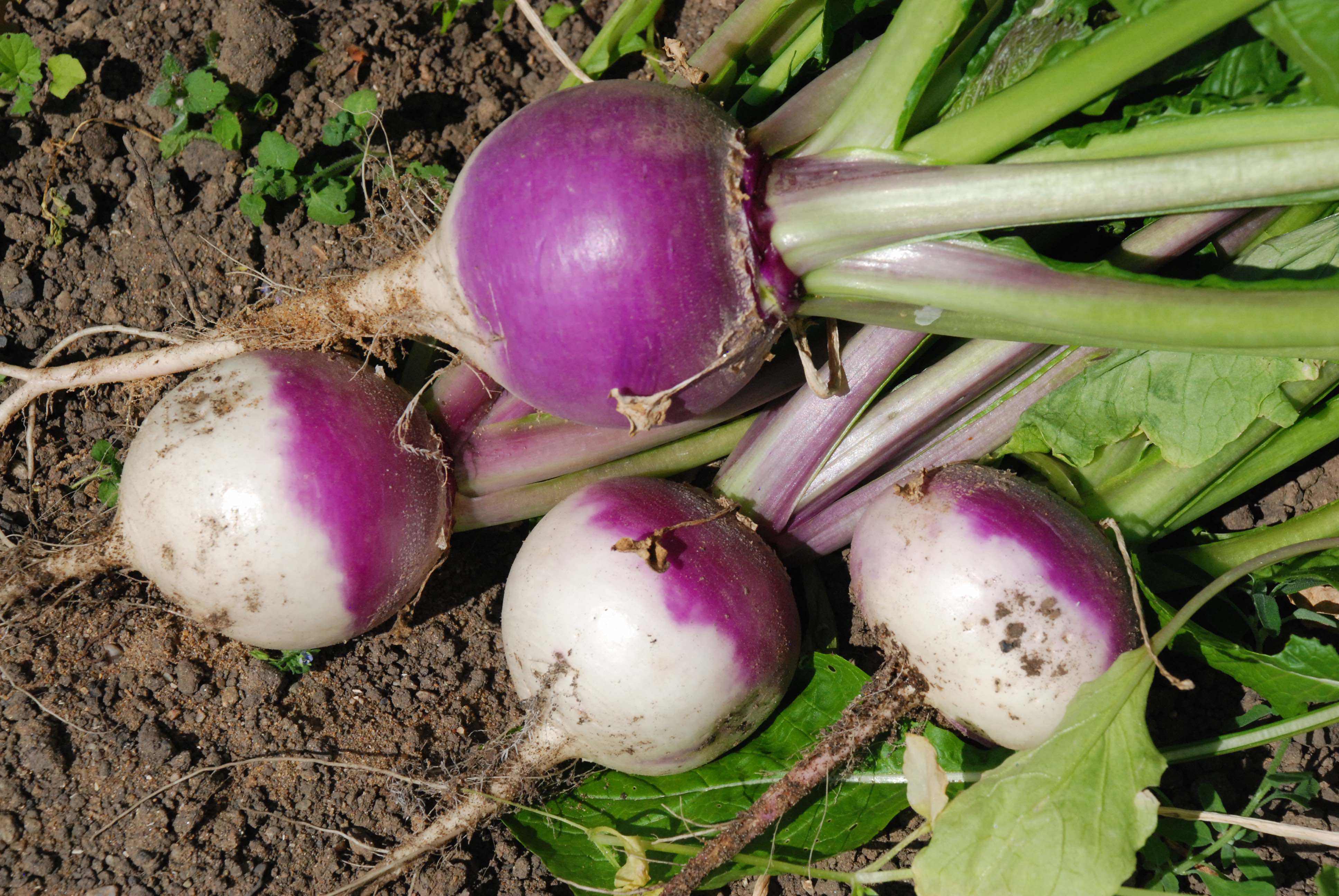
Radishes are Raphanus sativa.
Brassica napus is the origin of rapeseed (canola) oil and swede
Brassica (Sinapsis) alba is mustard seed
Tomorrow – the spicy brassicas
 The Biking Gardener
I didn’t know that turnips and radishes are Brassicas, so I learned that from reading this!
Thank you for reading and I am glad you learned something. I hope you will from the next too.