We are family: Brassicas
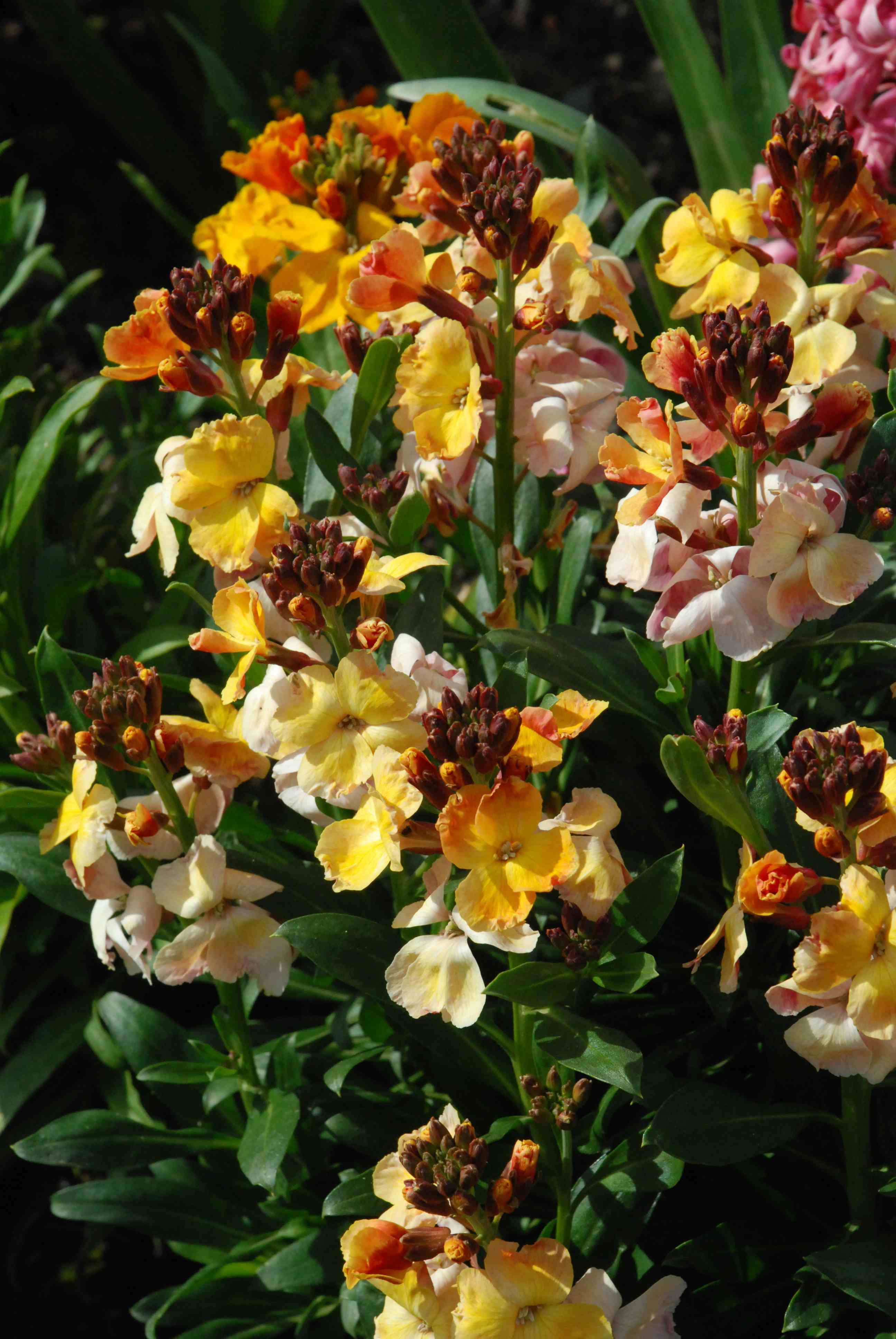
Brassicaceae
If you are as old as me you will know this family as Cruciferae. That name is easy to understand because the four petals of the flowers, seen from the front, form a cross. But, under the rules of nomenclature, there has to be a Type Genus and that is Brassica and so the family has to be Brassicaeae and lose its former, descriptive but illegitimate, name.
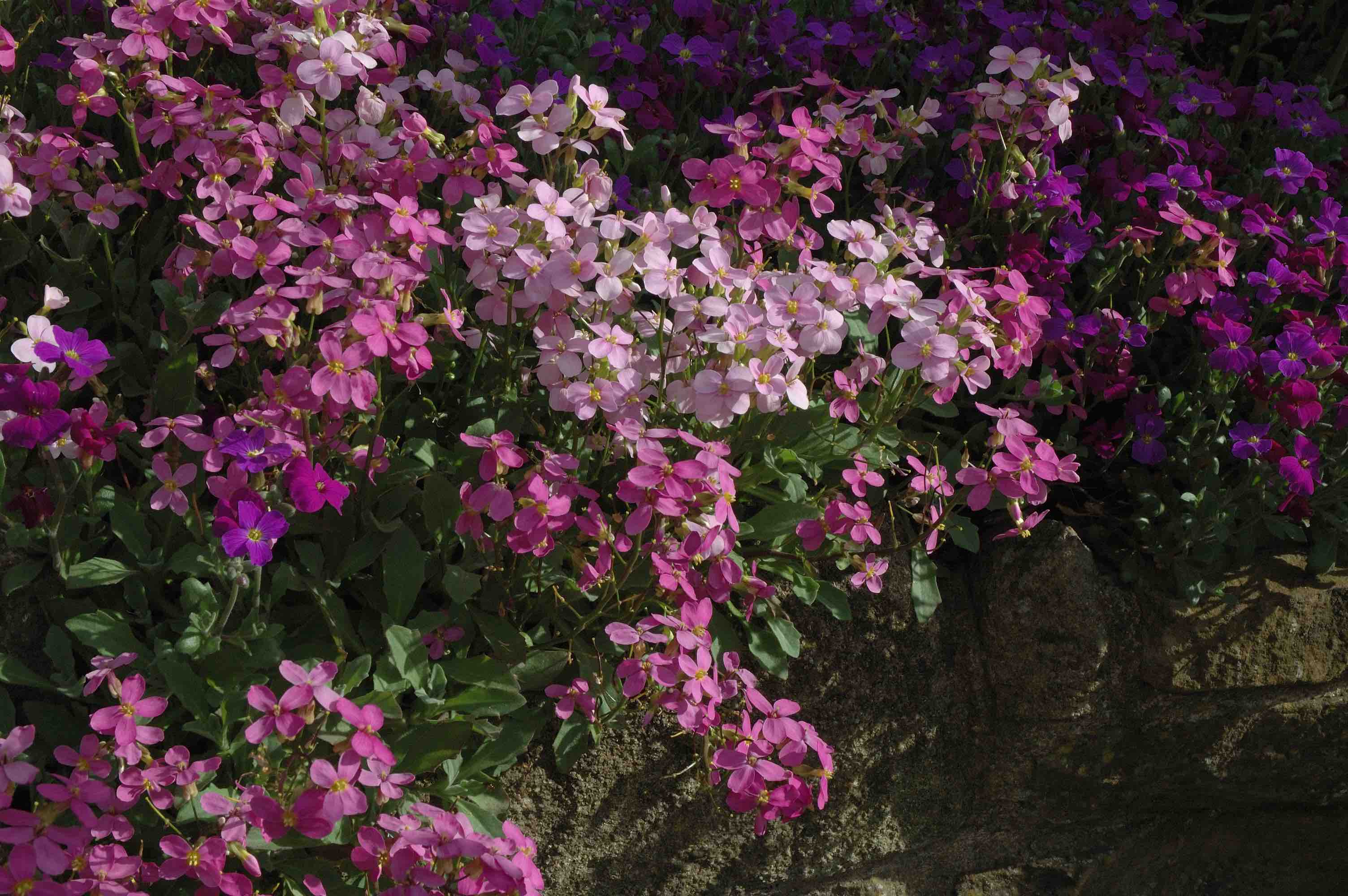
When you see a brassica in bloom it is easy to assign it to this family. Except in domesticated forms where the flowers are double (common in Matthiola – stocks) the four ‘unfused’ petals form a cross and there are six stamens, usually with four much longer than the other two. There are four sepals that may be partly fused. The base of the petal may be elongated and thin where it is enclosed by the sepals and usually bends through 90 degrees to allow the petals to exhibit the cross shape.
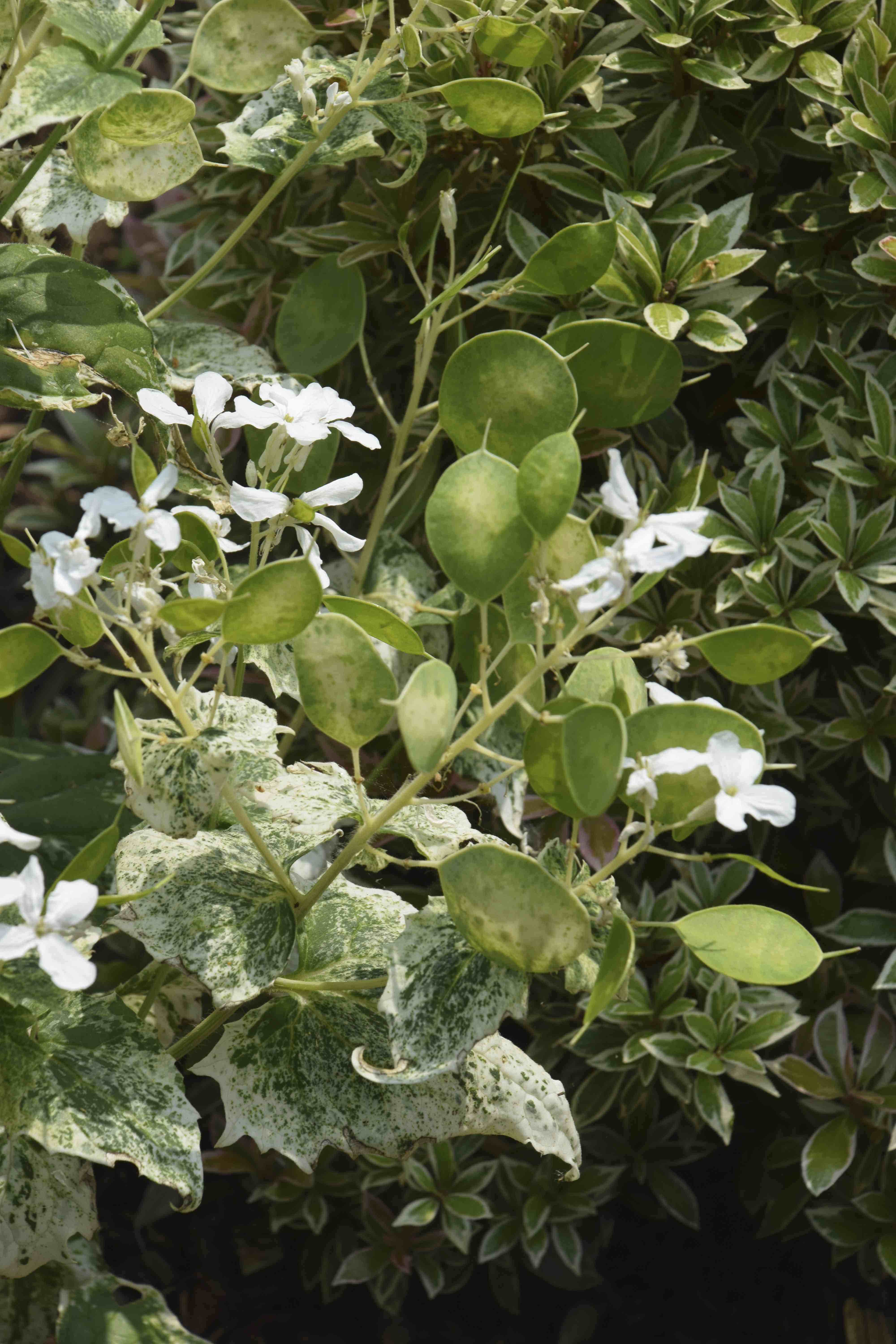
And the ovary forms a long ‘pod’ separated by a ‘wall’ (septum) along the centre, dividing the pod into two parts. The two sides fall away to allow the seeds to drop and sometimes the inner part remains, most notably among lunaria (honesty) which is grown for the ornamental siliqua, the name for this kind of ‘pod’.
Most plants in the family have white or yellow flowers though others are mauve or purple.
Most of the plants in the family are annuals, biennials and herbaceous although some can become woody.
A common feature of the members of the family is the presence of ‘mustard oils’ which give the foliage a distinctive smell. Unfortunately it makes many of the species prone to attacks by cabbage white butterflies (Pieris rapae) and also makes some others larval foods for more desirable species.
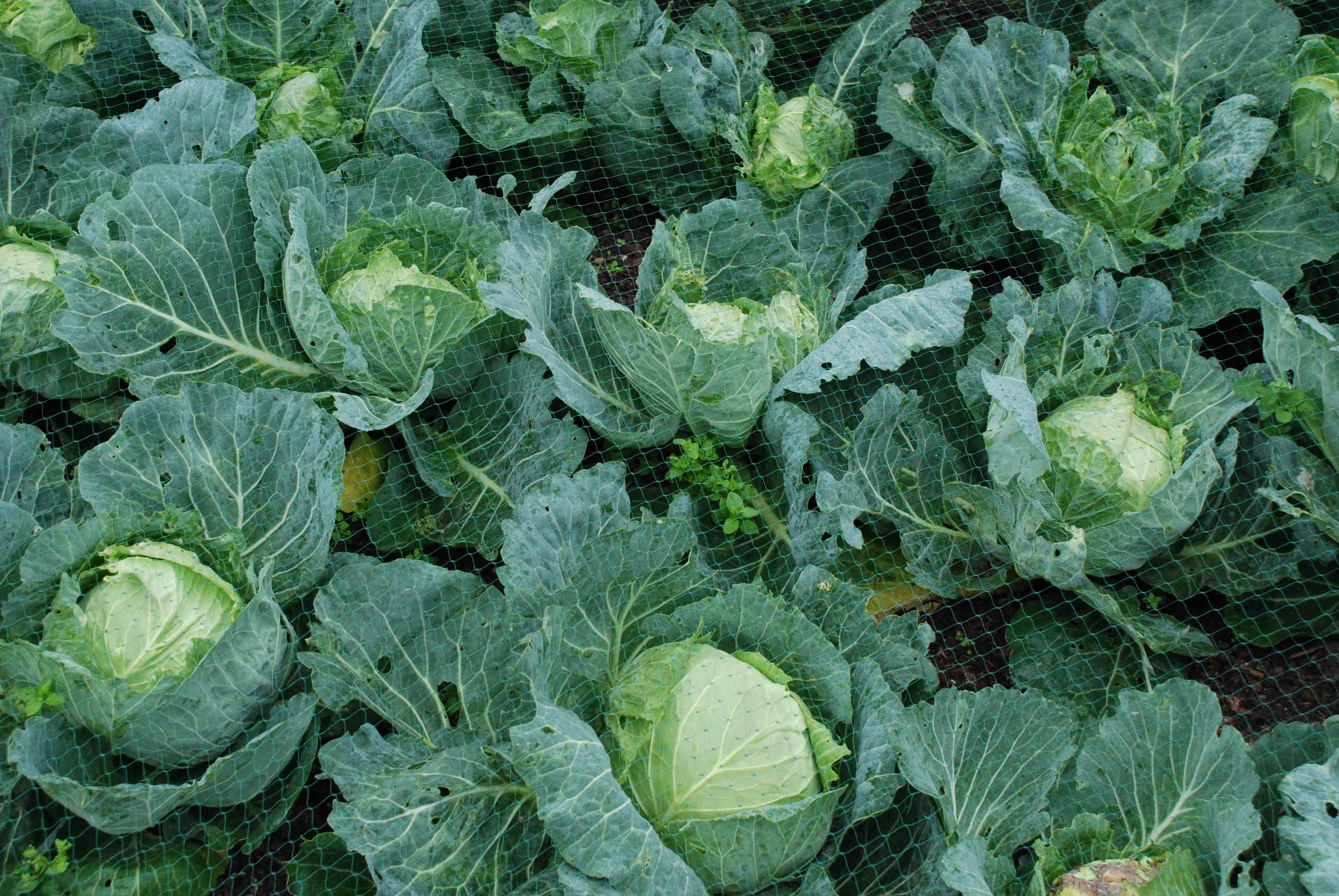
To protect themselves from predators, many of these plants contain glucosinolates which, when the cells are damaged, are converted into isothiocyanates which are toxic to many animals, fungi and bacteria. In most edible brassicas the mustard flavour is caused by allyl isothiocyanate, a chemical that research suggests is an ‘anti-cancer’ chemical, one reason why brassicas are an important part of a healthy diet.
The leaves are always alternate and usually simple although some have pinnate leaves. The leaves do not have stipules.
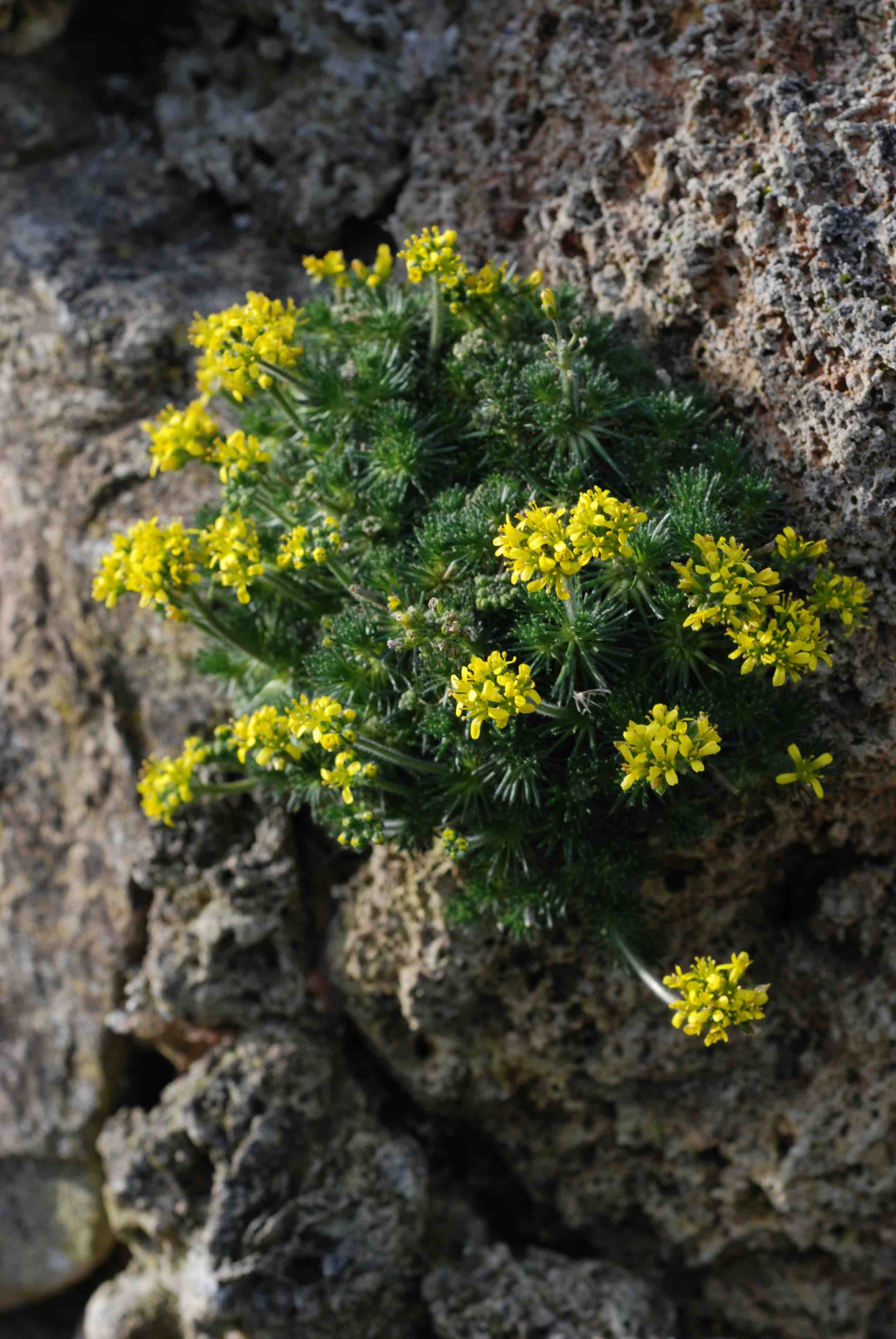
It is a moderate-sized family with 354 genera. The largest is draba, a relatively unknown plant to most gardeners but valued by alpine gardeners. There are brassiceae on every continent except Antarctica but it is definitely better represented in Temperate climates and not as abundant in the tropics.
Edibles tomorrow
 The Biking Gardener
No comments yet.