Orchids 4
In the garden
Few garden orchids are available for sale in garden centres and those that are need a wide range of growing conditions – there is no ‘norm’. But most are terrestrial and can be planted in the soil.
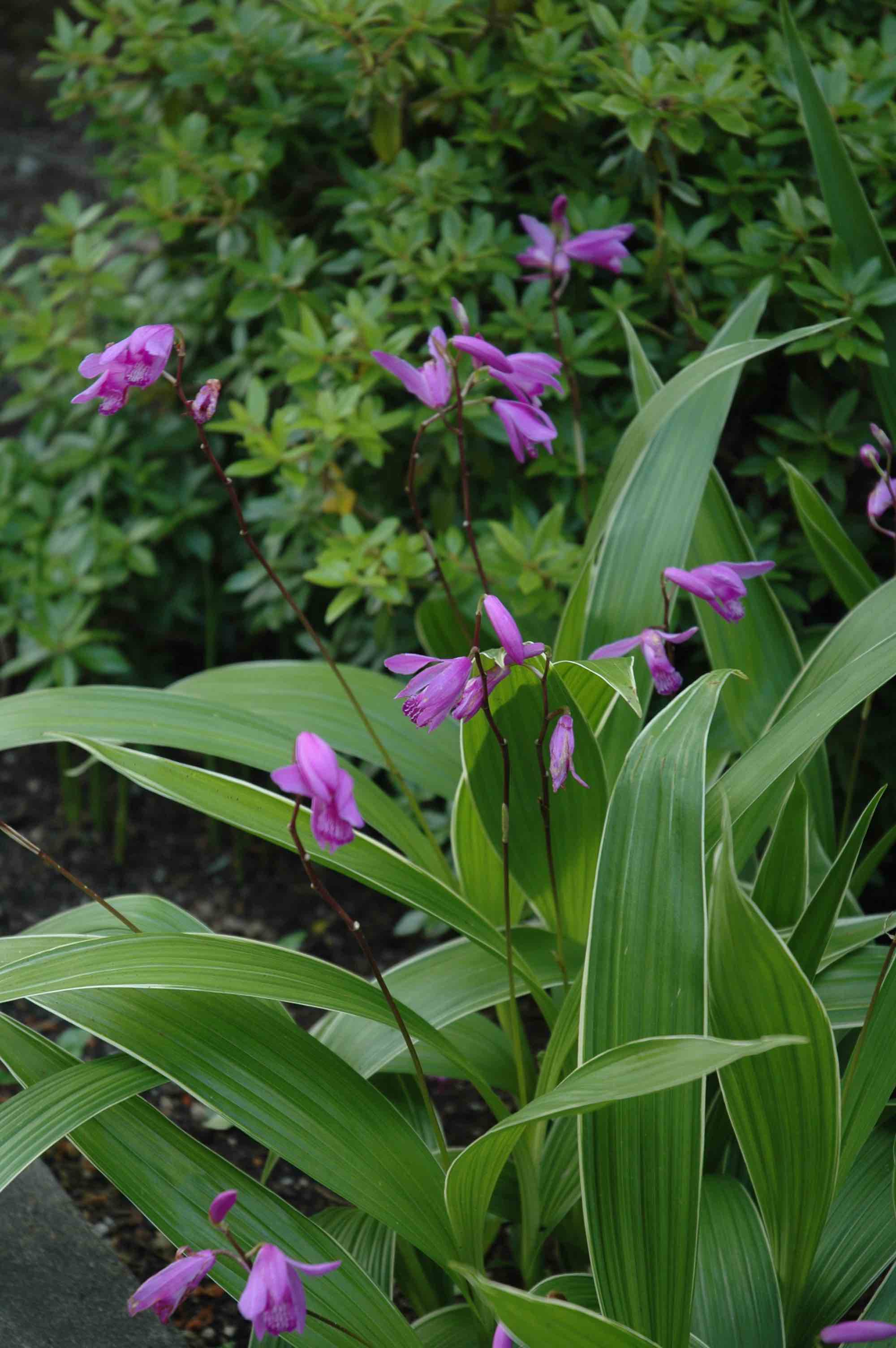
The most frequently offered is the Asian Bletilla striata although there are numerous hybrids and cvs. It is a bit of an oddity, having tuberous crowns and, being on the verge of hardiness, best treated as tender here although, with the shelter at the base of a wall it can survive winter outside. The dainty flowers make it worth a try.
Pleoines are sometimes called Himalayan crocus and are terrestrial or epiphytic and deciduous, dying back to round pseudobulbs in winter. In spring, before the foliage expands they produce showy blooms, large for the size of the plants. Theoretically hardy they are best grown in pans and considered plants for the cool or cold greenhouse.
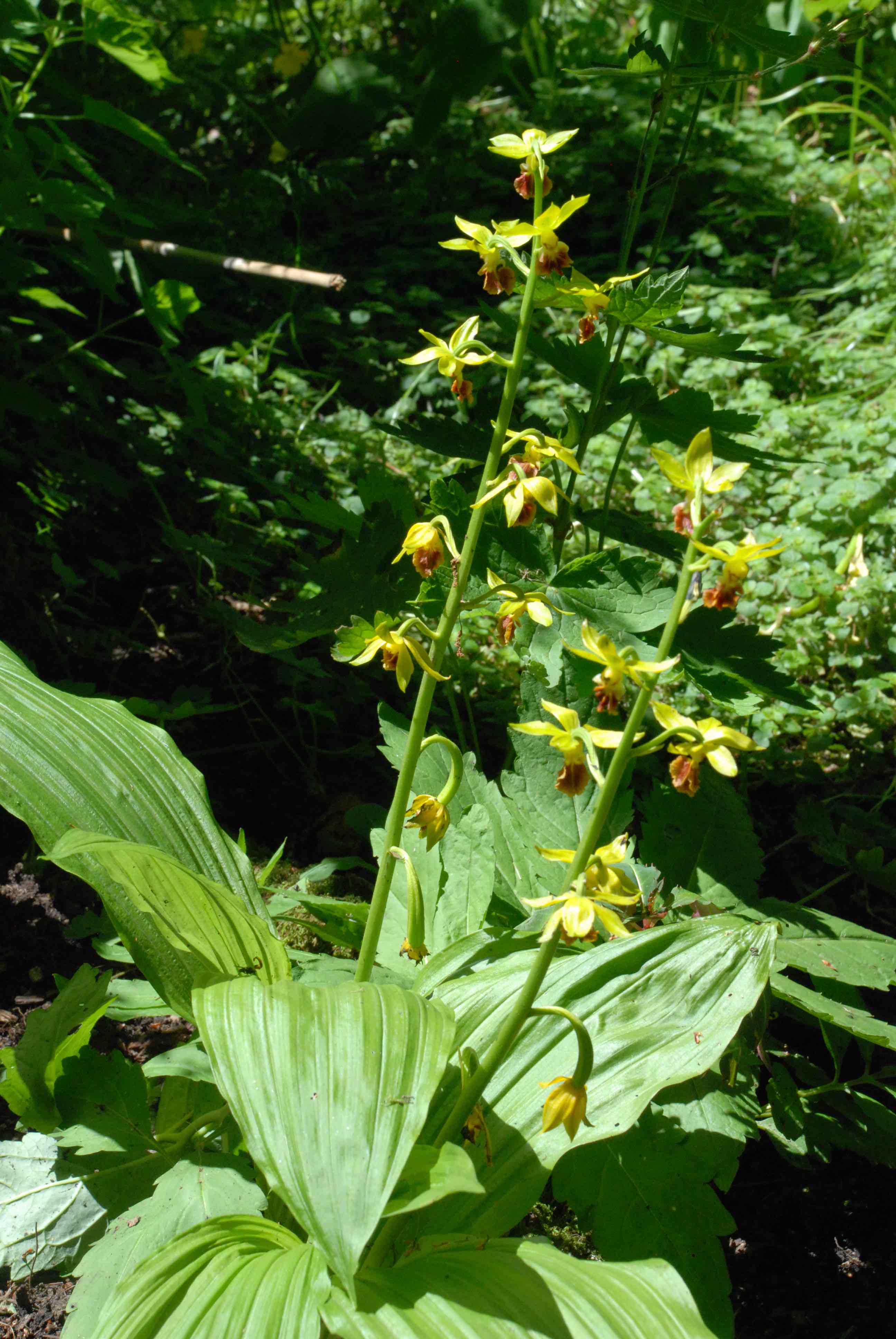
Calanthe is a genus of more than 200 species, largely Asian, and the hardiest are making a mark on gardens, especially as hybrids. The same is true of Cypripediums, the lady’s slipper orchids. I am on the cusp of trying these as my soil improves.
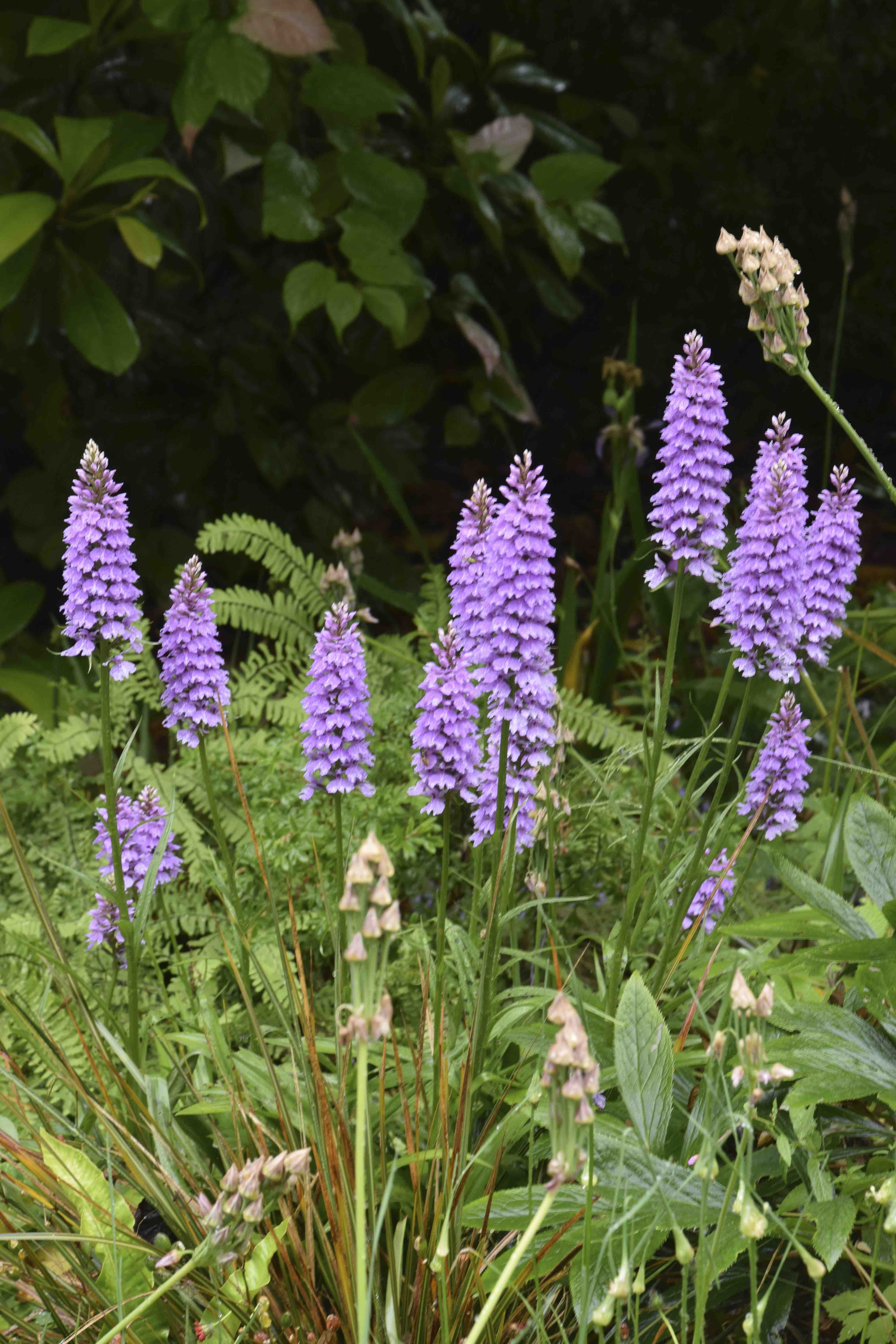
The genus Dactylorhiza, which includes native species, is frequently seen in established gardens and can self seed into lawns if grass is allowed to grow long and herbicides are not used. I have been gifted several of these and they are doing well.
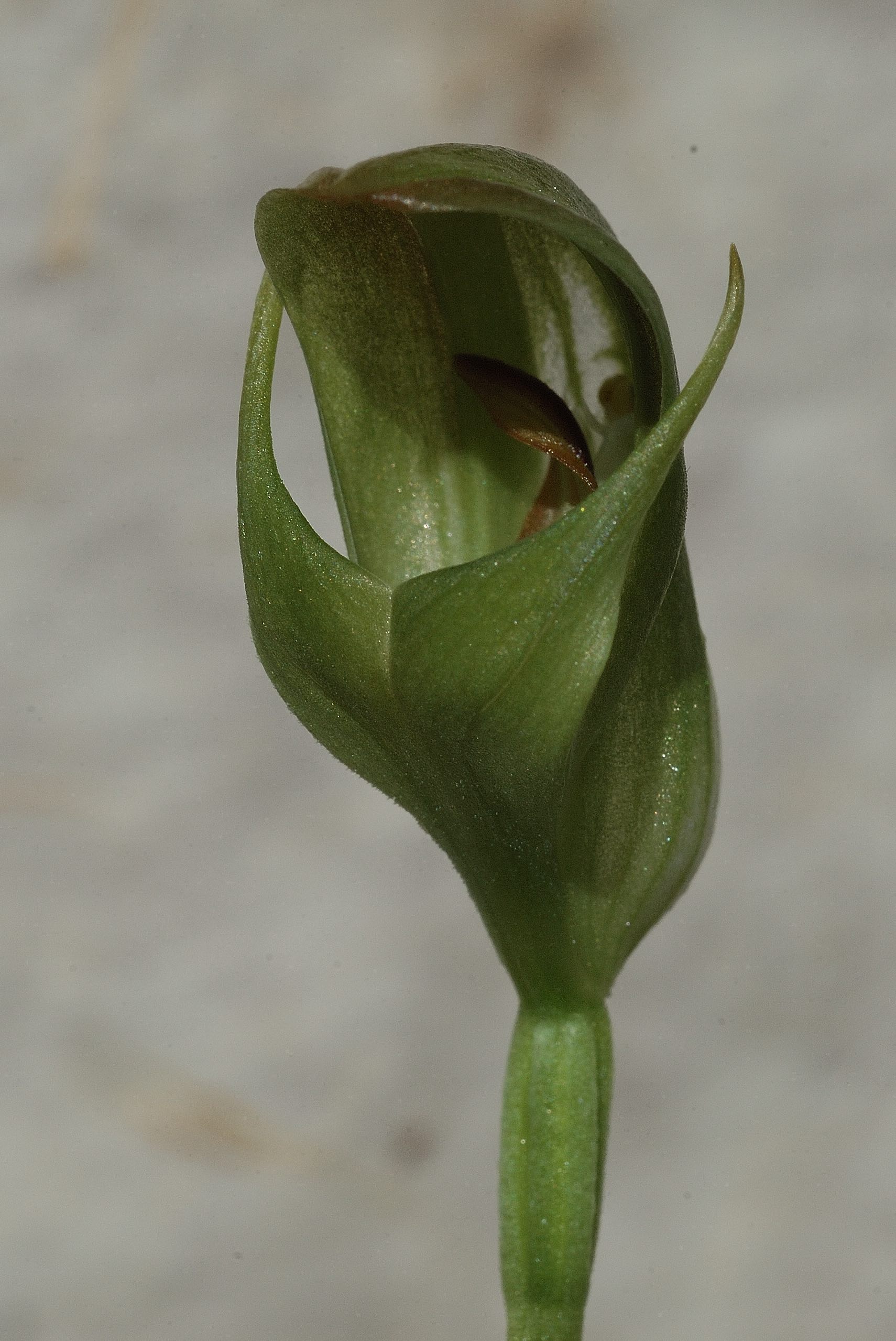
Many years ago I had thriving pots of pterostylis, a genus from SE Australia. It grew happily with my South African bulbs, blooming in spring and being dormant in summer. It formed large colonies of spreading, small, green leaves and stems about 15cm high with a single, hooded, green flower.
The helleborines (epipactis) also include native species and I have added the marsh helleborine, E. palustris in one bed, hoping that its name will make it tolerant of my garden. Planted in bloom last summer it died back naturally and I am optimistic, despite the current deluge we are suffering.
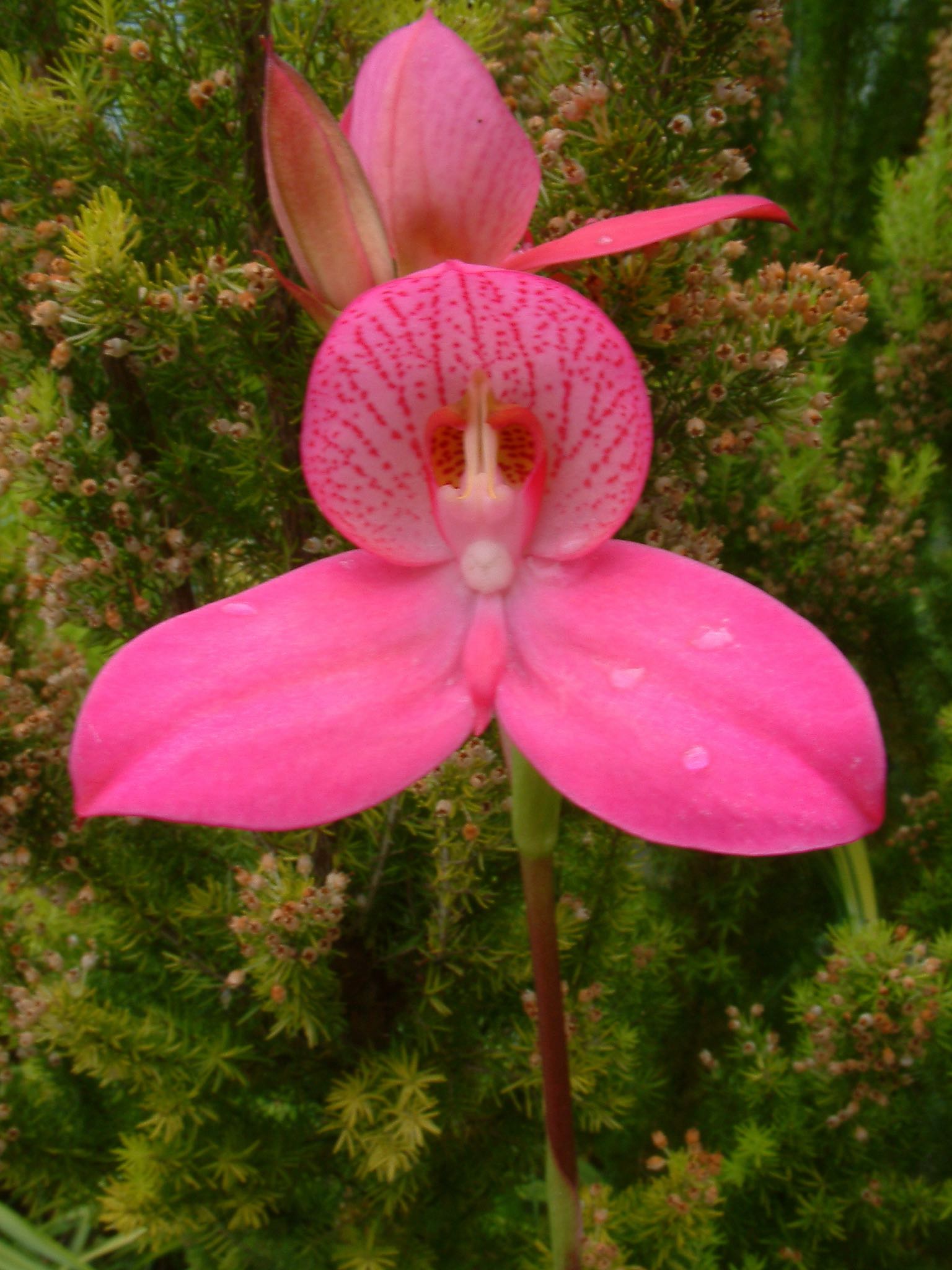
The genus Disa is of interest if only because it is one of the few orchids to be relatively easy to grow from seeds, the seeds not needing an association with fungi to produce healthy seedlings. They are also unusual because the sepals are much larger than the petals. It is largely an African genus and the bright red D. uniflora is known as ‘pride of Table Mountain’. They like moist growing conditions in summer, are dormant in winter and are easy in a greenhouse. In the past I had a successful dalliance with them. There are enthusiasts that have created beautiful hybrids but they are not easily available. They make good housemates (greenhouse mates) with most insectivorous plants.
 The Biking Gardener
No comments yet.