We are family: Orchids
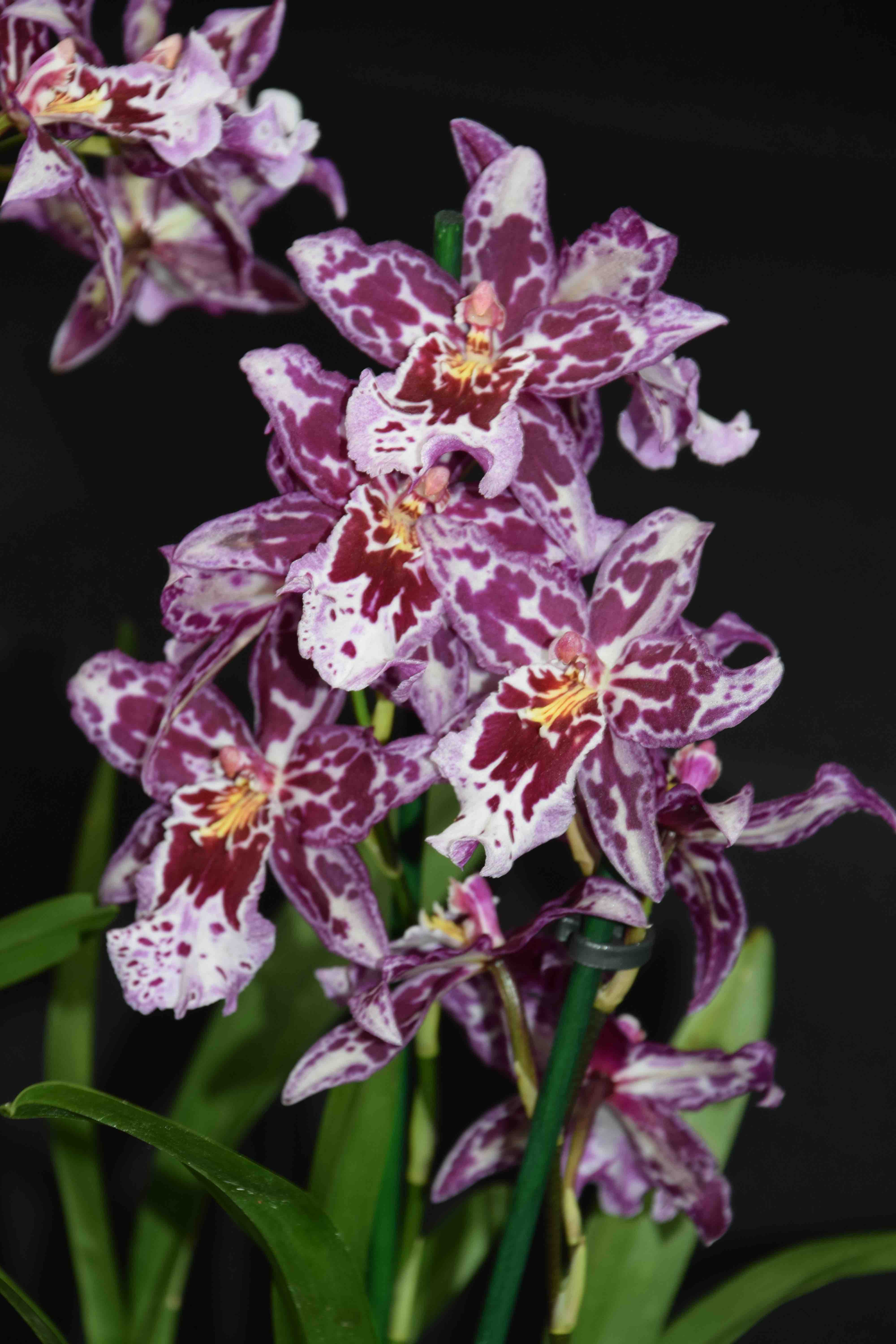
I am making life difficult for myself but I will attempt to describe the orchid family in this post – and the next few – it is a big job. It is the second largest plant family (after Asteraceae) and has the most incredible diversity when it comes to flowers, largely based on pollination mechanisms. Some groups of plants have flowers that appeal to a broad range of pollinators to ensure survival while orchids have approached the matter from a different direction, often relying on just a single species of pollinator. Because of this they are bound to insect species in ways that seem barely credible. They mimic pheromones to attract pollinators rather than a give a reward of nectar or pollen and often force the pollinator to commit acts that are often, frankly, degrading.

There are more than 31,000 species of orchid in 700 genera. Orchids are monocots with basically linear leaves and flowers with two sets of three petals (tepals) just like crocus. There are orchids in every part of the world except Antarctica. The greatest centre of diversity is in the tropics where the majority are epiphytes, growing ‘on’ other plants. In more temperate regions they are generally terrestrial and it is in Temperate Europe that we need to start.
Because of a quirk of fate, modern (in the past 500 years) plant naming was based around Europe and so the first plants to be named tended to be European. Because European orchids are terrestrial they were the first to be named. The type genus of the Orchidaceae is Orchis. The name is derived from the Greek for testicle. This may seem strange when you know your orchids as colourful phalaenopsis from the supermarket but many European orchids have two storage organs, under the soil, that look like – well you can guess.
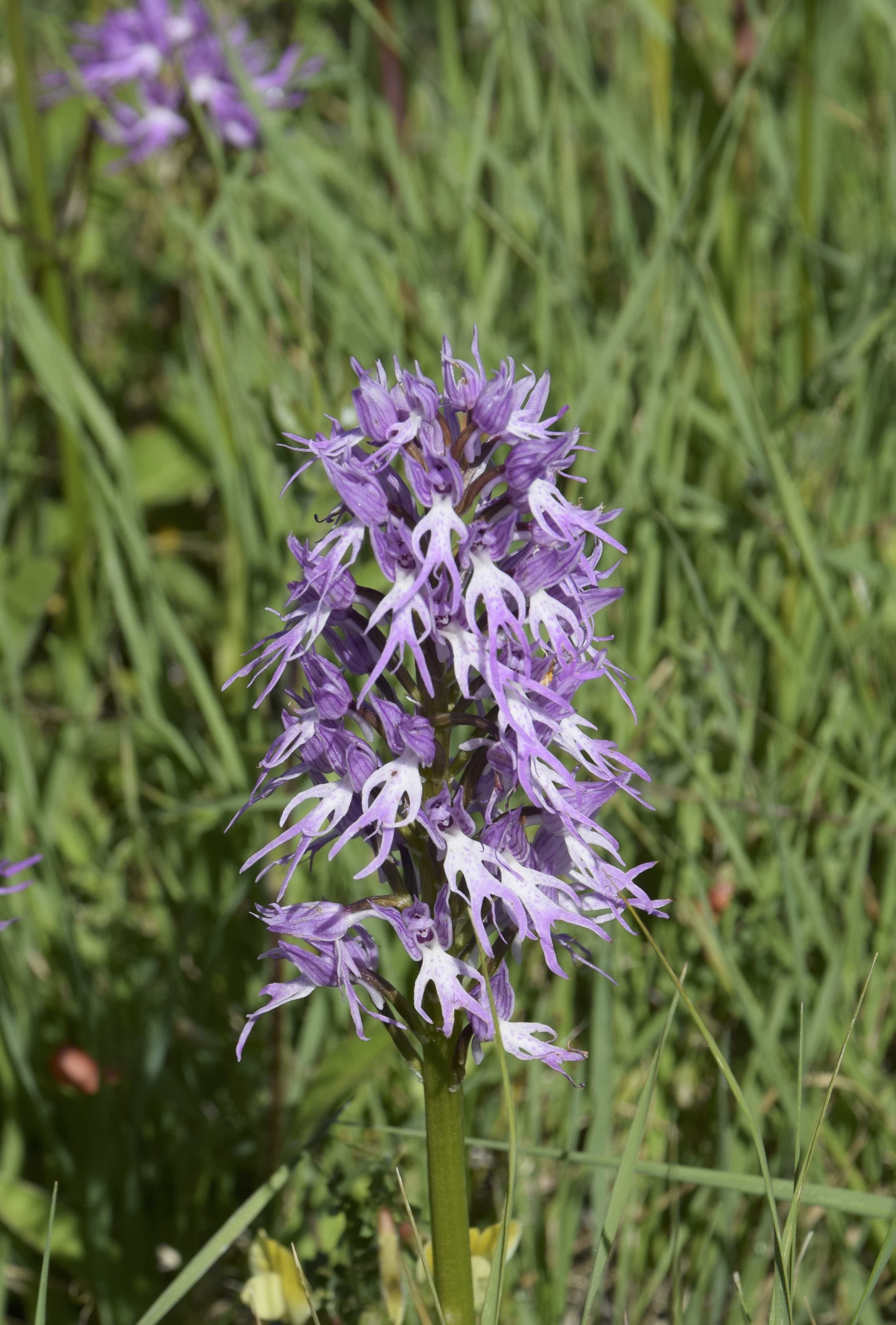
When comparing the Orchidaceae with, say Solanaceae, which I will tackle soon, and which includes so many edible plants, as well as poisonous ones, the orchids include only two plants that have any commercial value, apart from as ornament.
The early purple orchid (Orchis mascula) – there are those testicle references again – is the most common source of salep. Because the tubers store starch they were (are) harvested and dried, ground and made into a warming, nourishing drink. I was lucky enough to be able to try this in the main market in Istanbul, guided by a friend who assured me it was the real thing rather than cheap substitute. I did not find it a particular aphrodisiac unlike the Greeks who called the beverage priapiscus – orchids are the most sexualised of all plants in so many ways. In the 18th century Saloop was popular in England, made from imported roots.
The other economically important plant with (barely) nutritional value is vanilla. This most universal of flavours, so common that ‘vanilla’ is now used as a derogatory term to suggest that something is boring, is a really fascinating plant because it is a climbing orchid that clings to trees with aerial roots.

In general terms, orchid foliage is usually simple, not lobed or compound and is arranged in an alternate pattern and not paired along the stems. The flowers have free petals (usually not united as in a campanula) in two sets of three. The upper petal is often enlarged as a landing platform for pollinators. But, in most orchids the ovary behind the flowers is twisted through 180 degrees so the upper petal is actually at the bottom of the flower and is often called the lip. This and the other two inner petals are often very different to the outer three.
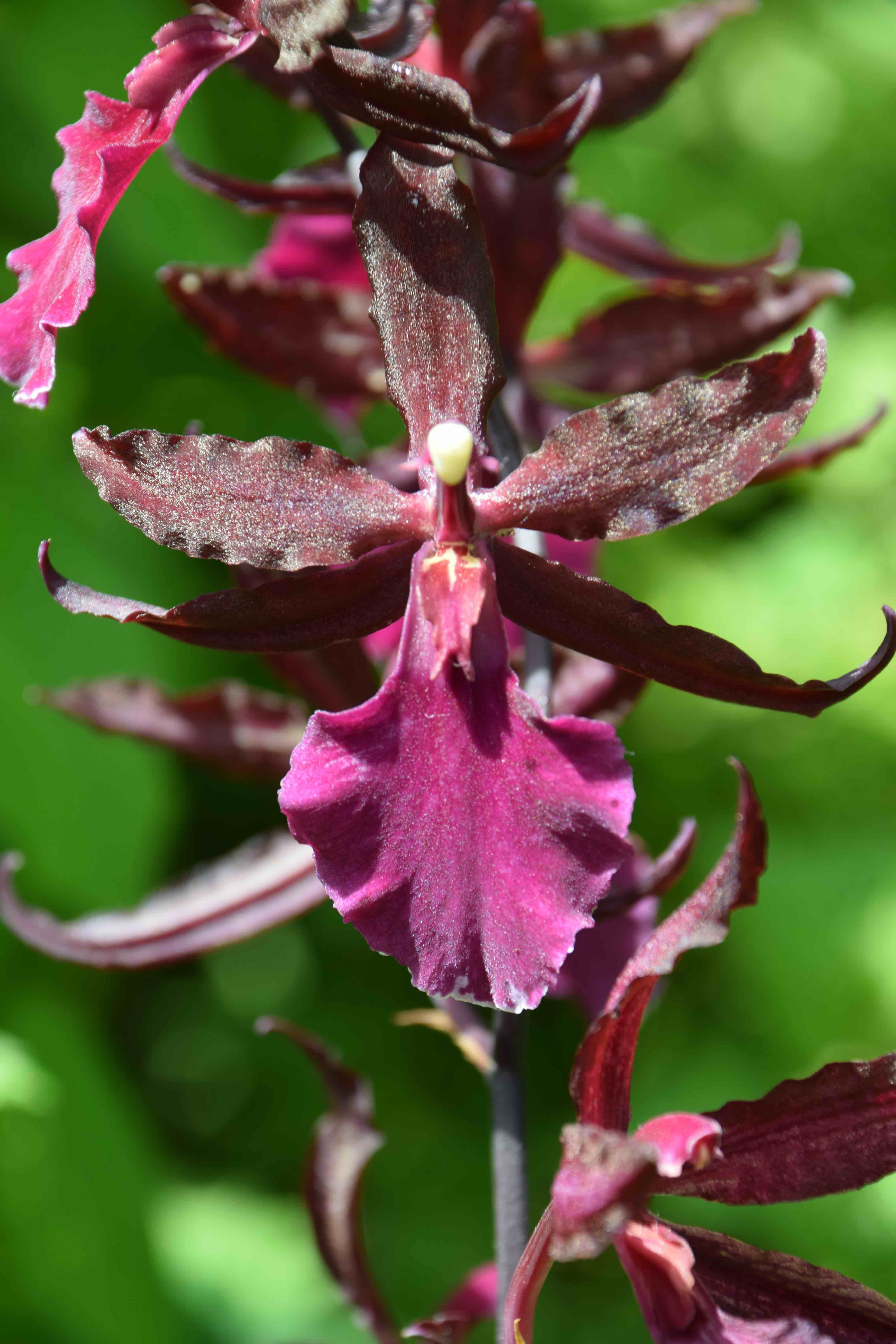
In all orchids the flowers are zygomorphic, a great word that means that the flowers have bilateral symmetry. If you draw a line from the top of the flower to the base the two halves are identical. The other case is actinomorphic where you can divide the flower into two identical halves in several planes.
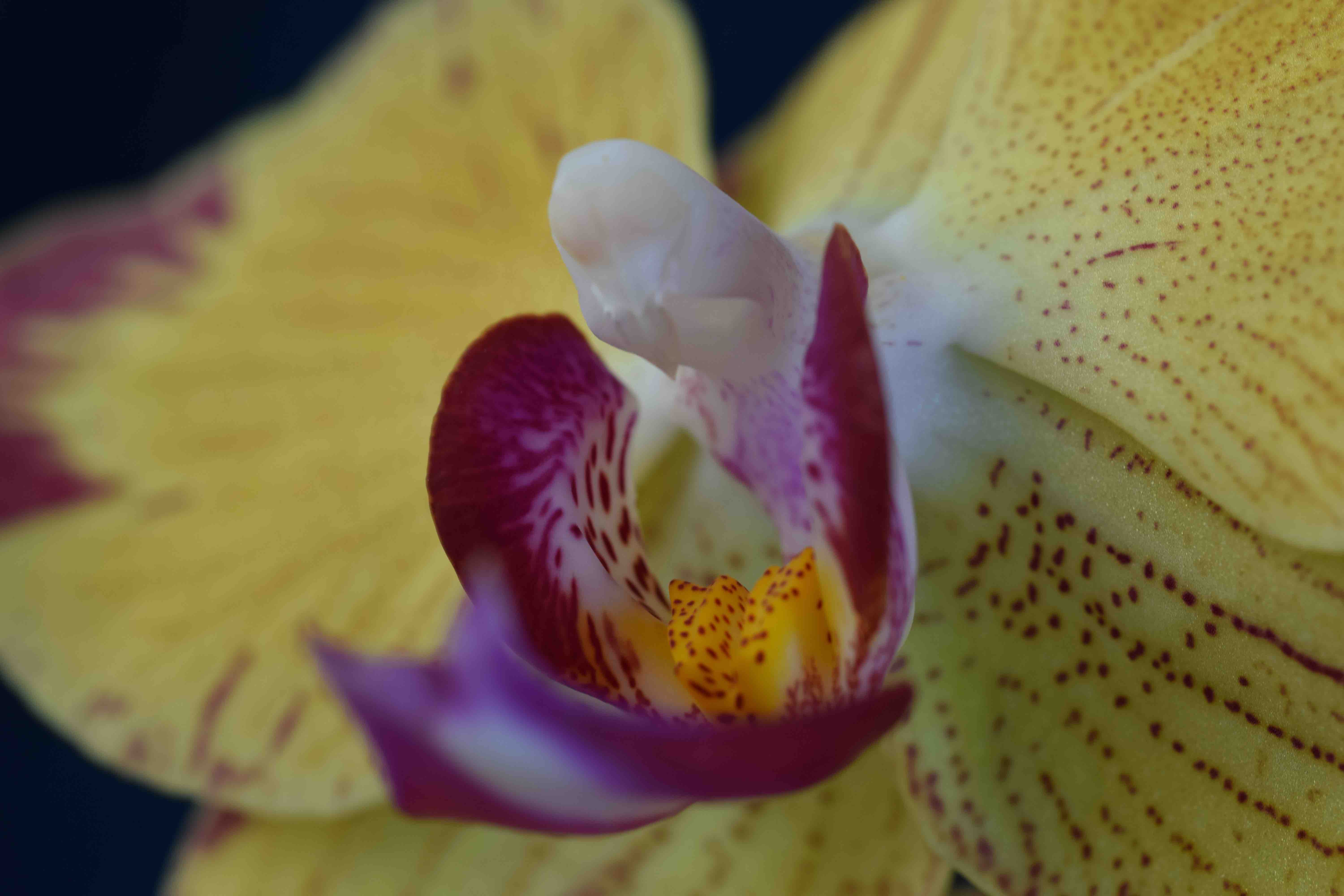
When it comes to the important parts of the flower: stamens and stigma, anything goes and the pollen is usually presented on two pollinia which can be detached and stuck to the insect to carry from bloom to bloom. The three-sectioned ovary produces vast quantities of seeds in another interesting evolutionary strategy. Most plant seeds contain endosperm, a store of food that sustains the germinating seedling – like sending your child to school with a packed lunch. Orchids are terrible parents. The seed contains nothing more than the embryo. And this leads to one of the most remarkable features of orchids, their relationship with fungi. Throughout their lives, most orchids rely on this symbiosis, the fungi receiving carbohydrates from the orchid and the orchids receiving other nutrients in return. But then there are plenty of orchids that are saprophytes that have no green pigment at all.
Orchids really are the most ‘alien’ of plants.
More tomorrow
 The Biking Gardener
I still find the floral structure of the euphorbs to be more alien, as well as the aroids. Most of the orchid flowers actually ‘look’ like flowers.
That is usually true. Most people would be puzzled by a bunch of euphorbias.