Have they no shame?
I will embark on something botanical in the next post to satisfy my desire to do something useful on this blog. But I will get something off my chest today which is colourful and vaguely amusing but also satiates my need to rant.
We are all sick of hearing about AI at the moment and I am concerned about the effect it will have on us all. I actively avoid it. And when I see anything to do with horticulture generated by AI I know it will be absolute garbage. As a garden writer I am, of course, worried about my income. I have common sense and a reputation that prevents me from disseminating misleading information but AI has no such concerns.
Every day I await the email that tells me my services are no longer needed. The trouble is that only if you know what is correct can you know that what you are being told is nonsense. It is a bit like having to use a slide rule. Only the reader of my generation or older will have used a slide rule but it was basically an old type of calculator that needed a booklet of ‘log’ tables to work out a complex calculation but you still had to do the sum by hand to be sure your answer was correct. I hated the things and am glad we now have calculators.
But back to today. If you look for unusual plants on the web you will find all sorts of lies, often on Amazon and especially on Etsy. I do not buy on these sites, preferring real nurseries. But some people must and they appear to be happy with their purchases to judge by the reviews – which I suspect are a crooked as the plants offered. You can find blue roses, purple sunflowers and a host of incredible (the literal meaning of the word) seeds.
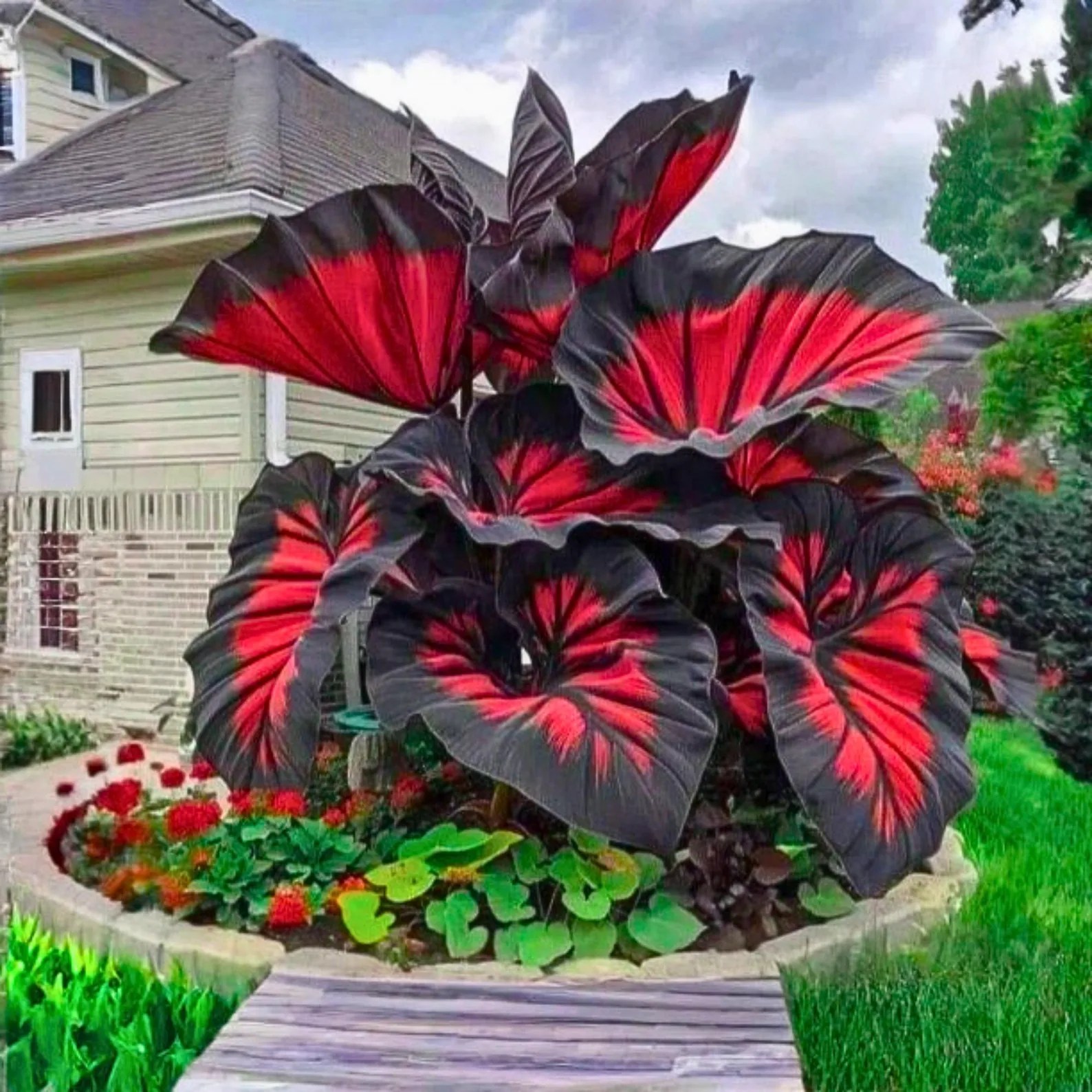
Top of page is a caladium, sold in a pack of 500 seeds. Caladiums do have large leaves and they can be colourful but they only reach 1m high, at best. They struggle to even survive here. I almost long for the old days when photos were ‘photoshopped’ to enhance the colours. This is pure AI fantasy.
If you don’t have room for a caladium maybe a hosta is what you need. They have lovely, coloured foliage, as you can see.
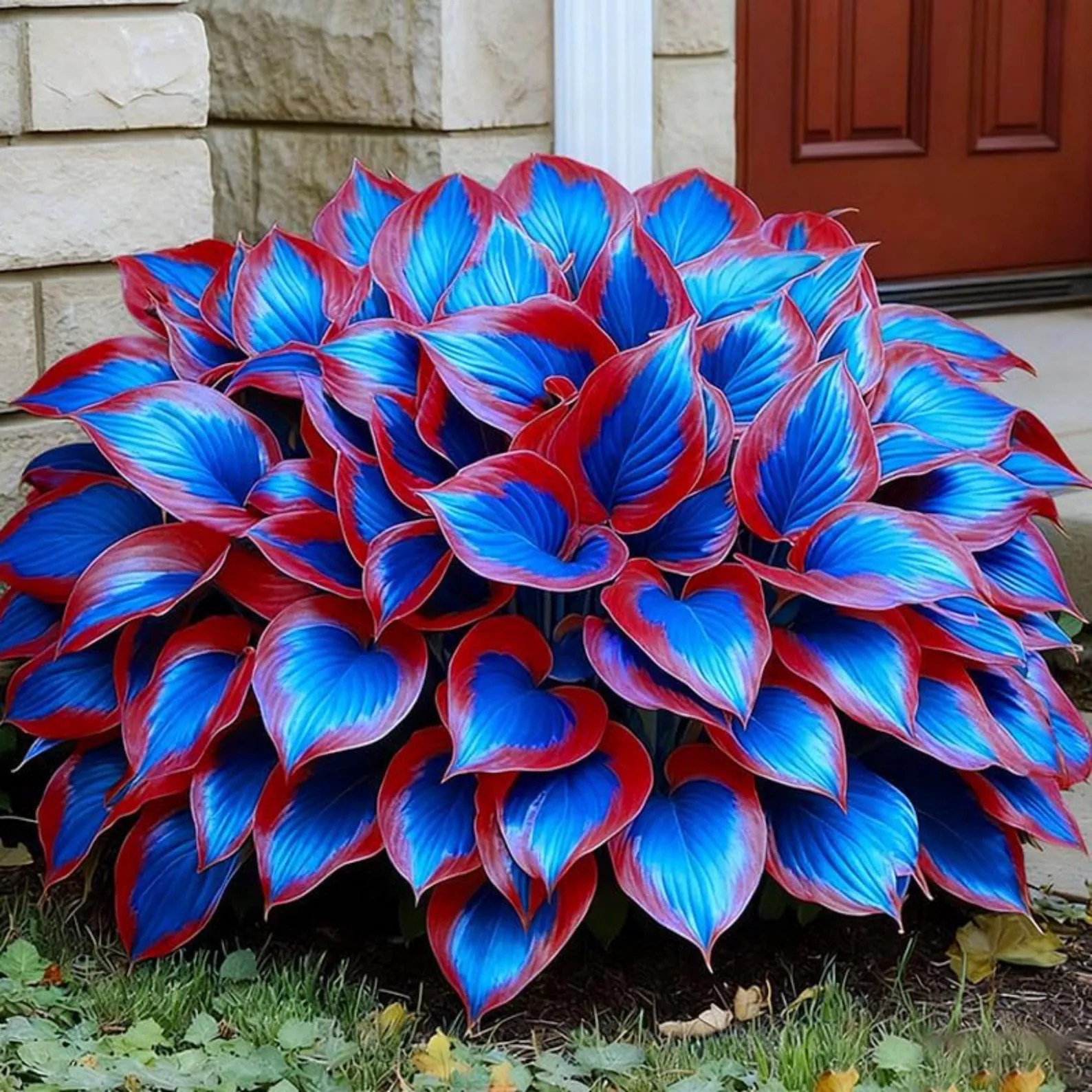
Coleus are enjoying a surge in popularity and no wonder why with leaves like this.
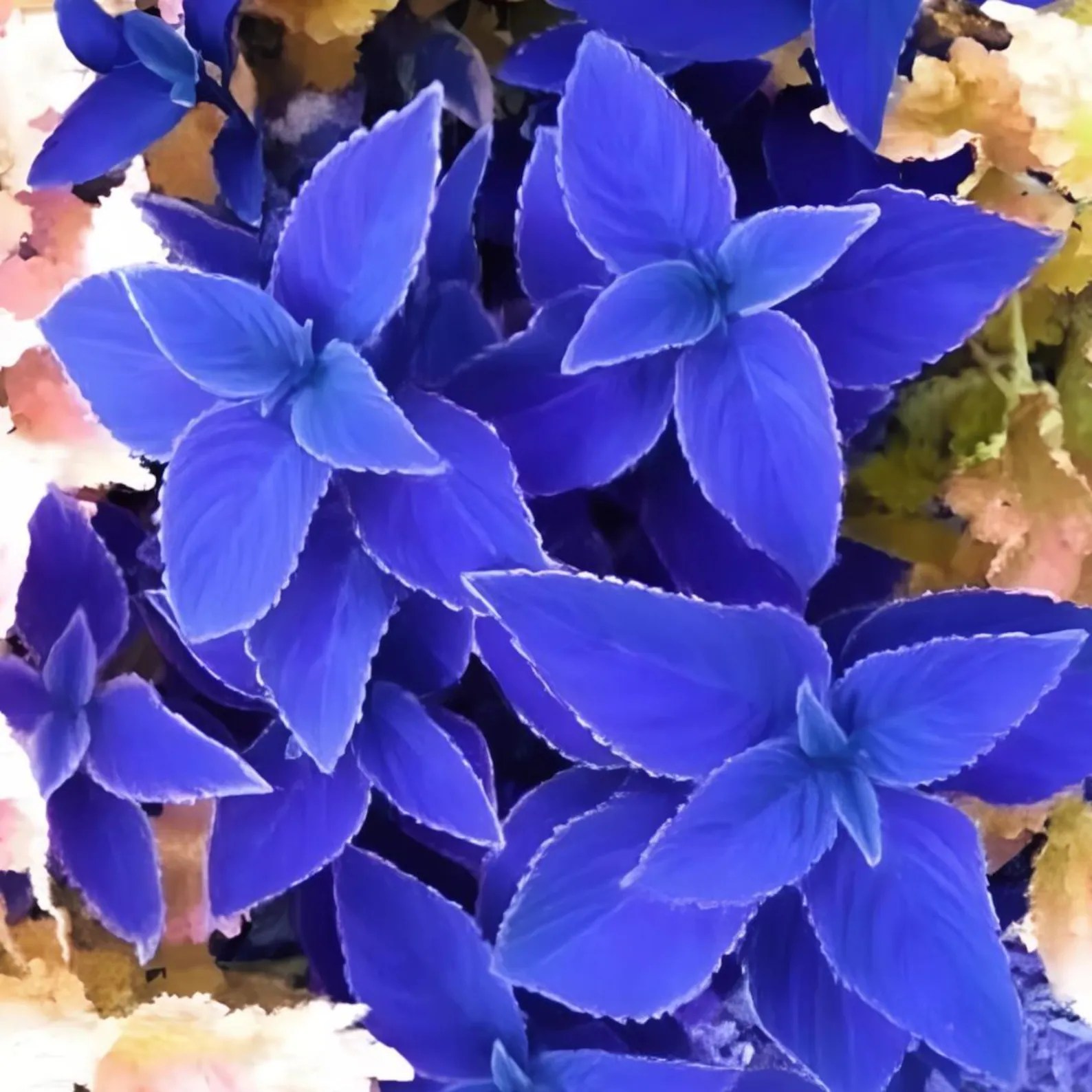
But you may not have a garden at all and can only grow houseplants. Since the Pandemic there has been a huge increase in interest in houseplants and especially unusual ones. We have all seen the massive prices for variegated forms of philodendrons and monstera and even I was persuaded to get on board and buy a variegated monstera. And, of course, orchids are popular. Dendrophylax lindenii is commonly known as the ghost orchid, although it is not common at all. It has showy flowers with a large white lip but is not as exciting as what is masquerading under the name on line.

And if ghost orchids and monkey orchids and bee orchids are not cute enough then you can waste your money and buy cat’s face orchids.

These images are all lifted from Etsy. This is not so much to acknowledge ownership but to expose scamming fraudsters. Who on earth buys these? How do the vendors sleep at night?
 The Biking Gardener
Fakes have always been around. I can remember pictures with modified color in 1985. However, these are horridly ridiculous! I find it hard to believe that anyone believes these are real.
AI could very easily be used for many articles in gardening magazines and be done in a manner which would not be noticed by the majority of readers. I am aware that market research for the Irish Garden magazine identified that the vast majority of readers wanted “how-to” material above all else which is why the magazine is dominated by such content – there must be five writers and 15 – 20 pages in the prime position of the magazine given to this aspect. Now, as the readers are most likely gardening beginners they will lack the background needed to read the material with a critical eye so it is a section which could well be written using AI. Then again, such information could just as easily be sourced via a Google search where AI would provide much the same advice and, perhaps, this explains why the number of issues per year is dropping to 6, I think, with a summer special.
I write a weekly blog for a garden centre and I was looking on the website and reading their ‘tips’ and they had information about ‘fungus flies’ on houseplants that was truly bizarre. I questioned it and apparently it was provided by a company that they use to enhance their company’s rating in internet searches. I understand that the information was removed. I guess there is no point in having a site if no one sees it (how I feel about my blog) but publishing false facts to increase page landings seems wrong. The point is that it is all unattributable. It is a shame that The Irish Gardener is cutting issues – that is never a good sign. On Garden Answers the issues went from monthly to every four weeks to increase circulation figures!
The Irish Garden is now in the hands of The Farmer’s Journal and is, perhaps, not the main interest of the company.
I was aware of that. I was contacted re. the editorship last autumn. I applied but was not interviewed. Maybe I was too old, or just useless. It was probably for the best as I didn’t relish the commute to west Dublin.