Season of mists and little fruitfulness
One of the joys of creating a garden is how it quickly becomes a haven for nature. The hedges, mentioned yesterday, and the trees, now provide shelter and perches for innumerable birds. They are mostly common garden birds, especially blue tits and great tits, robins, sparrows and wrens but now and then come greenfinches and some other small brown birds that I can’t quite identify.
Gangs of starlings squabble on the bird feeders and are very entertaining, though I sometimes panic as they suddenly swarm off, in case the cat has pounced – I wish they would concentrate on watching their surroundings rather than fight over a peanut. Woodpeckers have been regular visitors for more than a year and now collared doves (five, I think) visit every day. The mimosa is a tall, gangly thing, battered by storms every winter, but makes the perfect lookout point for all the birds, as they contemplate swooping down to the feeders.

Blackbirds scamper around the borders, sometimes sunbathing on the lawn on hot days and pied wagtails strut around the drive. I love to hear the thrushes smashing snails on large stones, usually along the edge of the seaside garden though they seem to be determined not to let me have a ripe mulberry.
The past few days have brought another natural wonder; the swallows seem to be congregating ready for the flight south for the winter. It is always joyous when the swallows arrive in April and equally sad when their departure is imminent. Great flocks perform aerial displays over the house and garden and they line up on the power lines and along the ridge of the house and the upper edges of the solar panels to rest. They are so dramatic, and the display will only last a few days so I can forgive them the mess they are making of the panels and the drop in electricity generation on those rare sunny days.

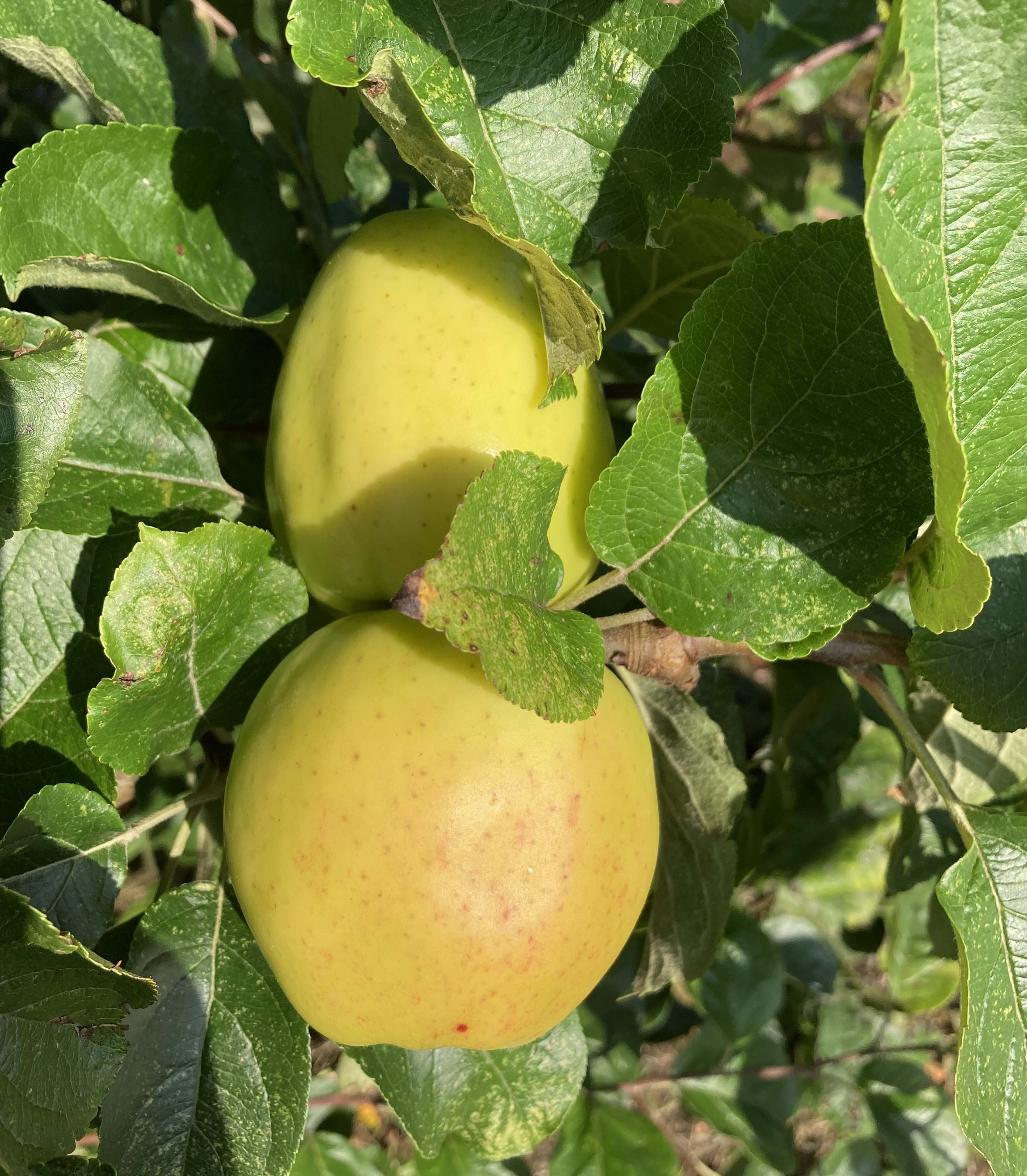
Spring was cool and windy but there were few frosts so I was hoping for good crops of fruit. But things proved different. ‘Set’ of apples and plums was poor and not one pear formed. The damson did set the first fruit in its short life so I have enough for a teaspoon of jam but blackbirds have pecked every apple that shows red coloured skin. Last year there was a good crop of the early ‘Irish Peach’ but this year the birds ate every one. But a few apples have managed to produce a small crop. ‘Gibbon’s Russet’ is by far the most vigorous and healthy of all the apples planted. Fungal canker has been a real problem this year but this apple, which is an old Irish apple, is very healthy. The fruits are large but do not actually show much ‘russeting’ which is of concern. When cut open the fruit appear not to have ‘set’ properly and the seed cavity is misshapen with few seeds. The skin is greasy. As to eating, if cut to remove the malformed core they are delicious. The flesh is crisp and very juicy – crunchy – and does not leave you with a mouthful of ‘pap’. The taste is ‘vibrant’ – acid and sweet and rather like sour apple sweets. I prefer complex apple taste and can’t bear ‘Granny Smith’ apples but this one is really delicious and refreshing and tastes like ‘pure apple’.
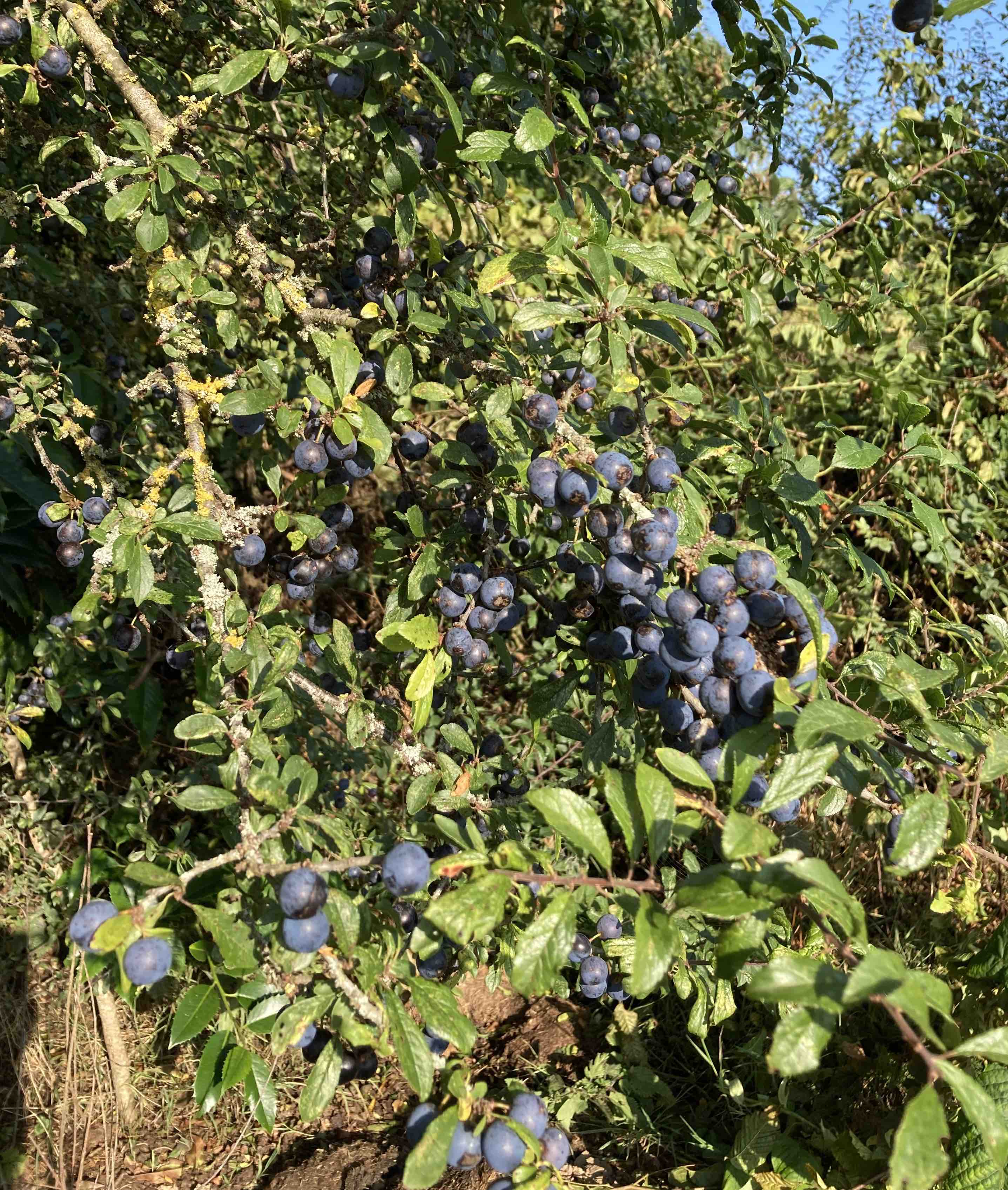
I am rather perplexed by the lack of plums this year. Last year ‘Opal’ produced a few dozen fruits but this year none, despite a lot of bloom. And yet it seems to be a bumper year for sloes (Prunus spinosa) in the hedges. On the flight back from the UK last week I took the opportunity to get a litre of basic gin so I hope the birds leave them alone for the next month or so and I can make some sloe gin.
 The Biking Gardener
Sanity is irrelevant to gardening. That is how I justify so much white bloom. In my own garden, I do not care what it looks like. I just enjoy it. Incidentally, I sort of like the magenta and scarlet. They are bougainvillea colors.
I had not thought about them being bougainvillea colours! Somehow bold colours seem justified in a hot climate but rather bold in cool temperate gardens
Yes, I notice that in Southern California. Naked lady bloom somehow seems more appropriate there, but I am not so keen on such garishness here, and it seems even stranger in the Pacific Northwest.
Funny: “No sane person would deliberately plant magenta cosmos with scarlet nasturtiums…” I did a similar accident once and ended up liking the insanity, which I’m going to call tropical brilliance. 😉
I think you are right that it is tropical brilliance! Thank you for your comment 🙂