Sugar rush
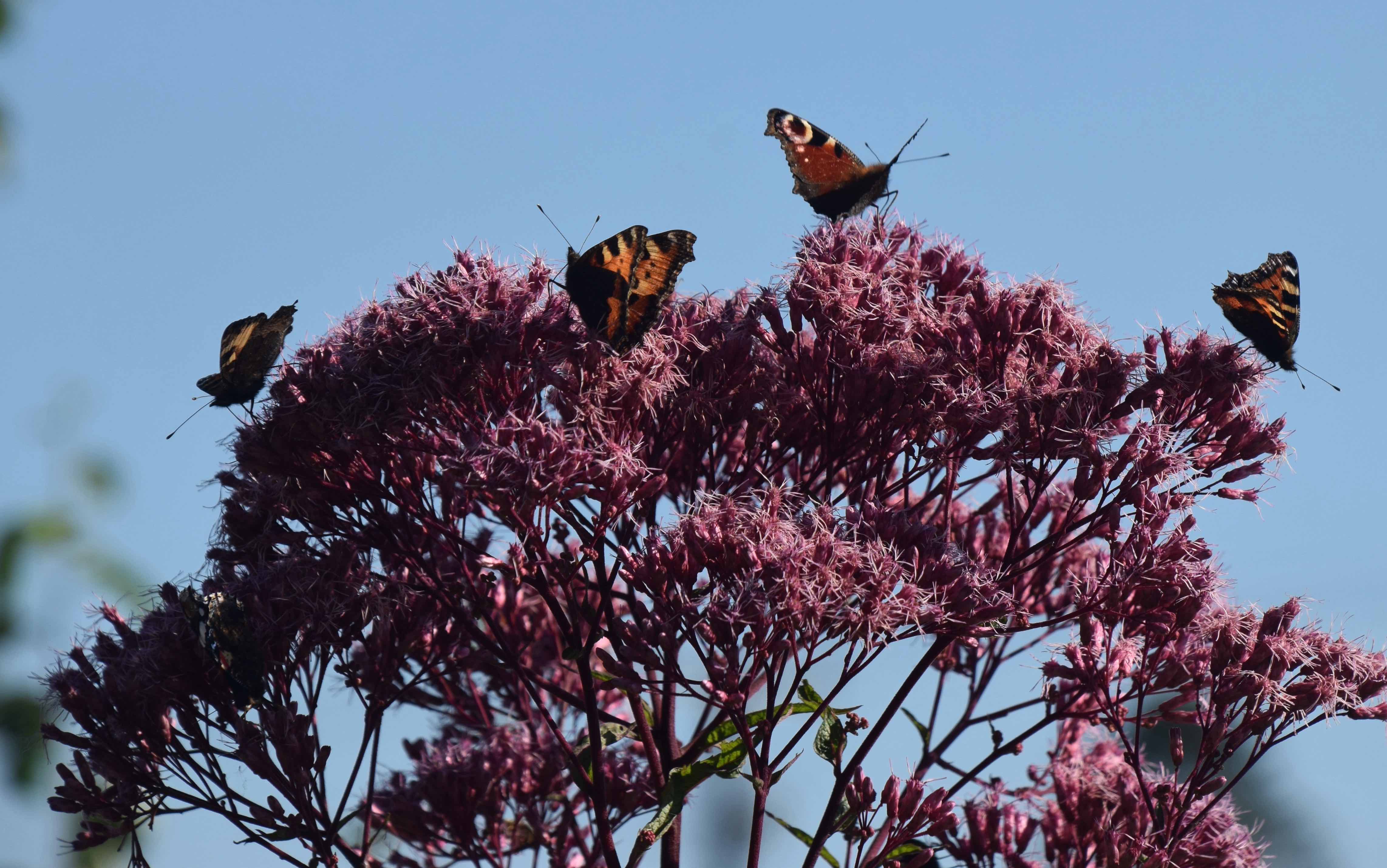
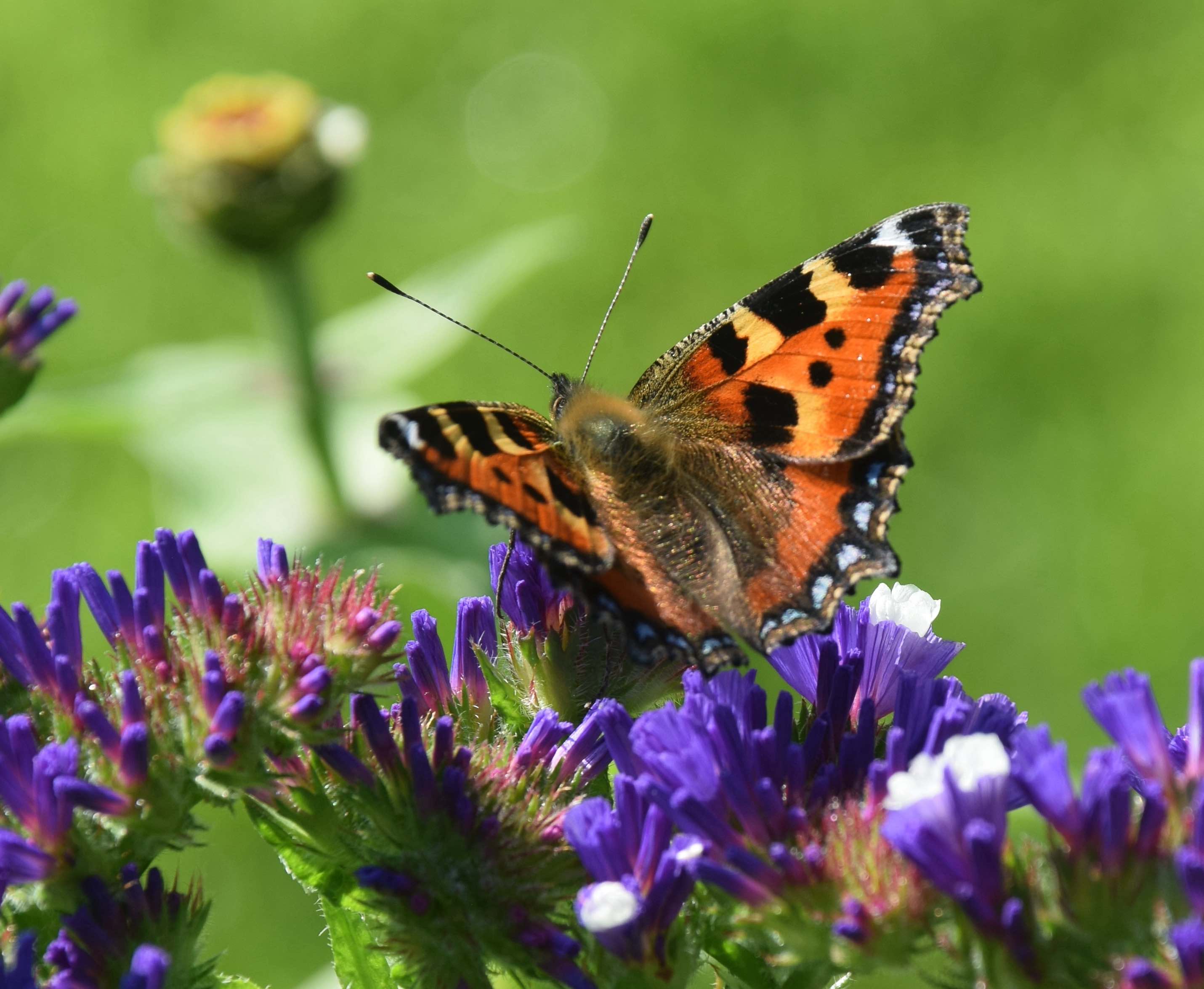
With the advent of sunny, warm days, butterflies have become abundant in the garden. There is something magical about seeing them, seemingly flitting at random across the garden. Their flight may look random but they are pulled like a magnet to certain flowers in the garden. Buddlejas are always popular but I have late-flowering hebes and these are popular too. If flowers are tubular and filled with sugar-rich nectar, butterflies will be there.
The pink and purple statice are visited from time to time but nothing is as popular as the large, domed heads of eupatorium. I rarely have time ‘to stand and stare’ but I have allowed myself time to look in wonder at the number and range of these amazing insects.
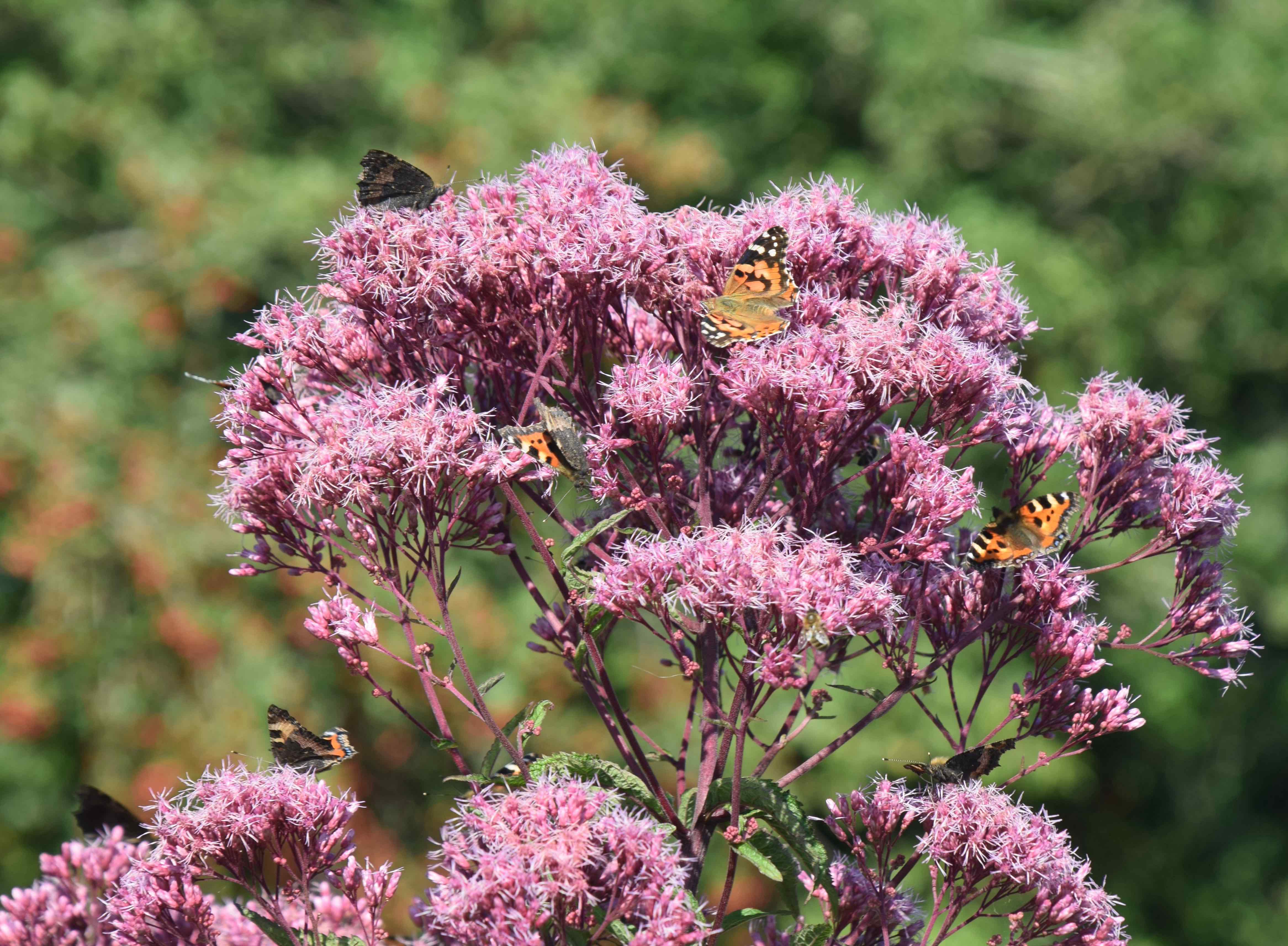
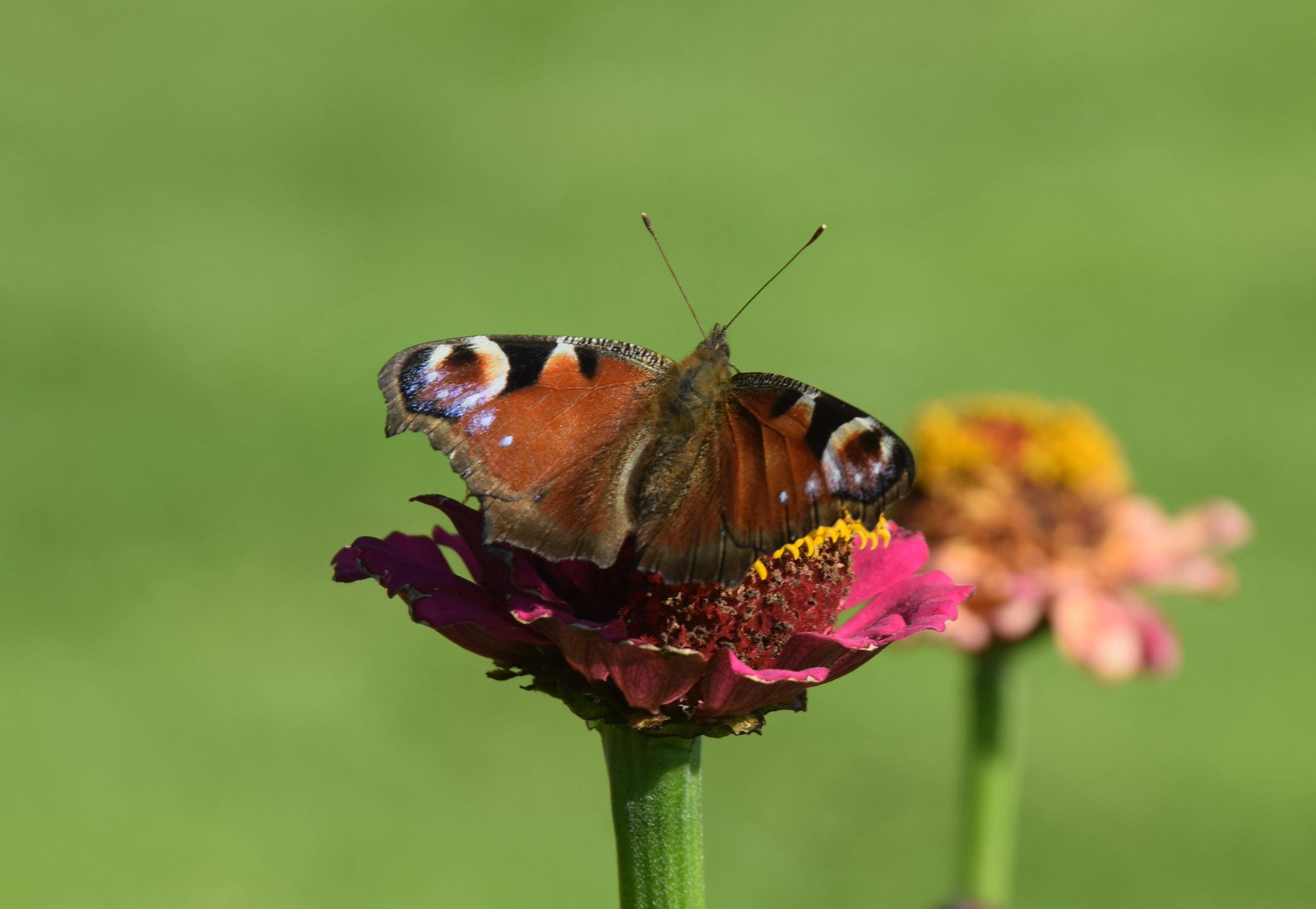
Eupatorium attracts a wide range – well as wide as I have in the garden – and at times there are all four of my common species, painted ladies (Vanessa cardui) – larvae feed on thistles, small tortoiseshells (Aglais urticae) – larvae feed on nettles (so do the nest two), red admiral (Vanessa atalanta) and peacocks (Aglais io). I do leave nettles to grow at the boundary of the garden and there are plenty of clumps nearby in hedges, though they unfortunately often get sprayed with herbicide in summer by the farmers. I have planted buckthorn in one of the new hedges to try to establish brimstones, but I guess that will take time.
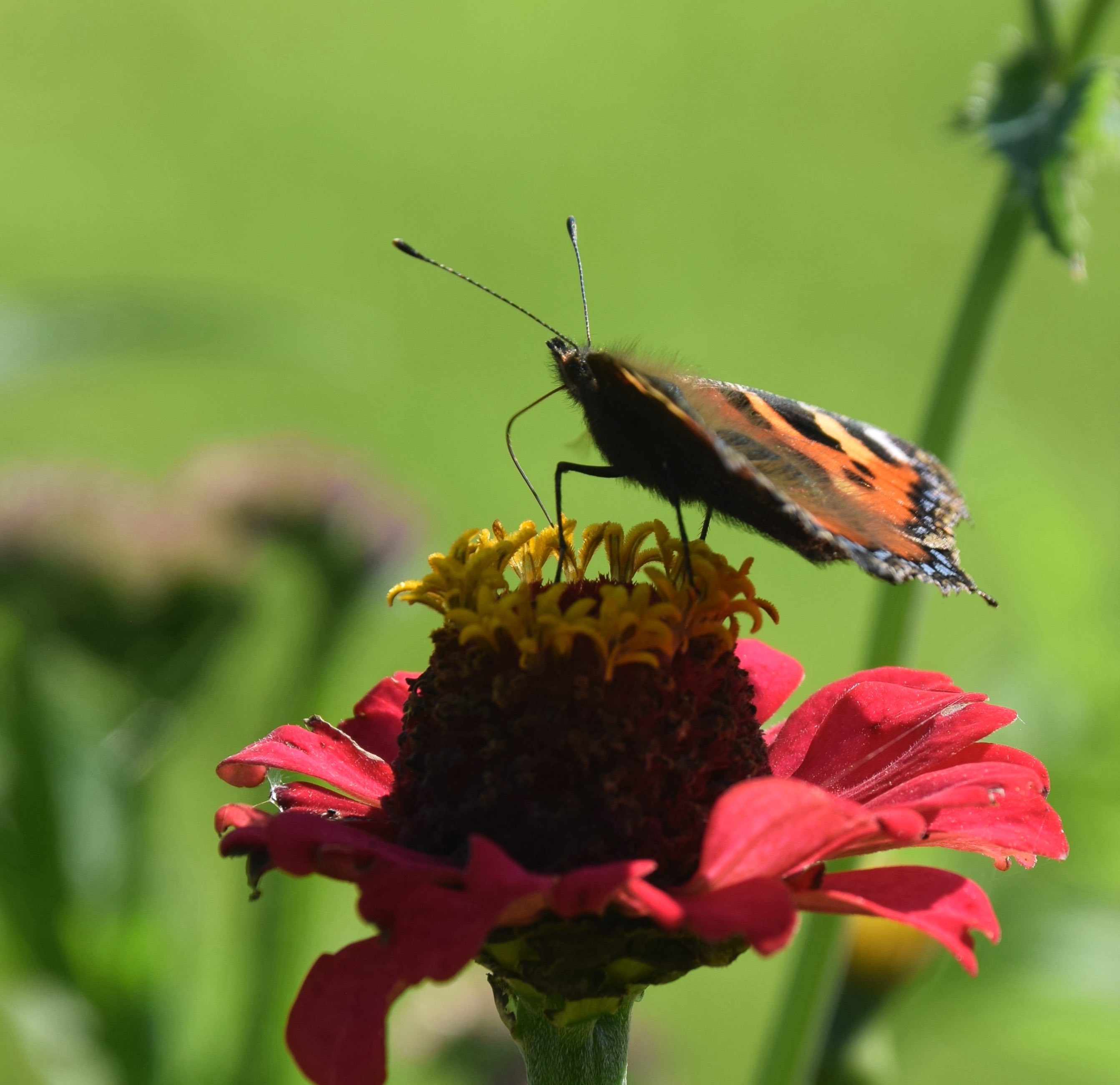
The zinnias, which turned out to be single, rather than double, have delighted the butterflies of all kinds.
Honeybees and bumblebees visit the eupatorium too. Although my plant is supposed to be a short form it still grows to 2m high. It is a robust plant and not ideal for a tiny garden but I think I need to give it the ‘Chelsea chop’ next year, taking out the growing tips in May, to encourage better branching and more, smaller, flower heads. It is hardy and tolerates wet soil.

I didn’t grow ‘ordinary’ cornflowers this year but tried the American basket flower (Centaurea americana). Last year I grew sweet sultan (Amberboa moschata). Centaurea americana is the only centaurea native to America and it is a whopper! The flowers are at least 10cm across and a delightful, silvery mauve. It is a hardy annual though I started mine in cell trays in spring. It is a tall, slender plant and is blooming at about 1m high. My plants were knocked over by Storm Betty but are now flowering. The buds seem to take for ever to actually open. But the buds are half the fun with the feathery bracts around the flower heads looking like woven baskets – hence the name.
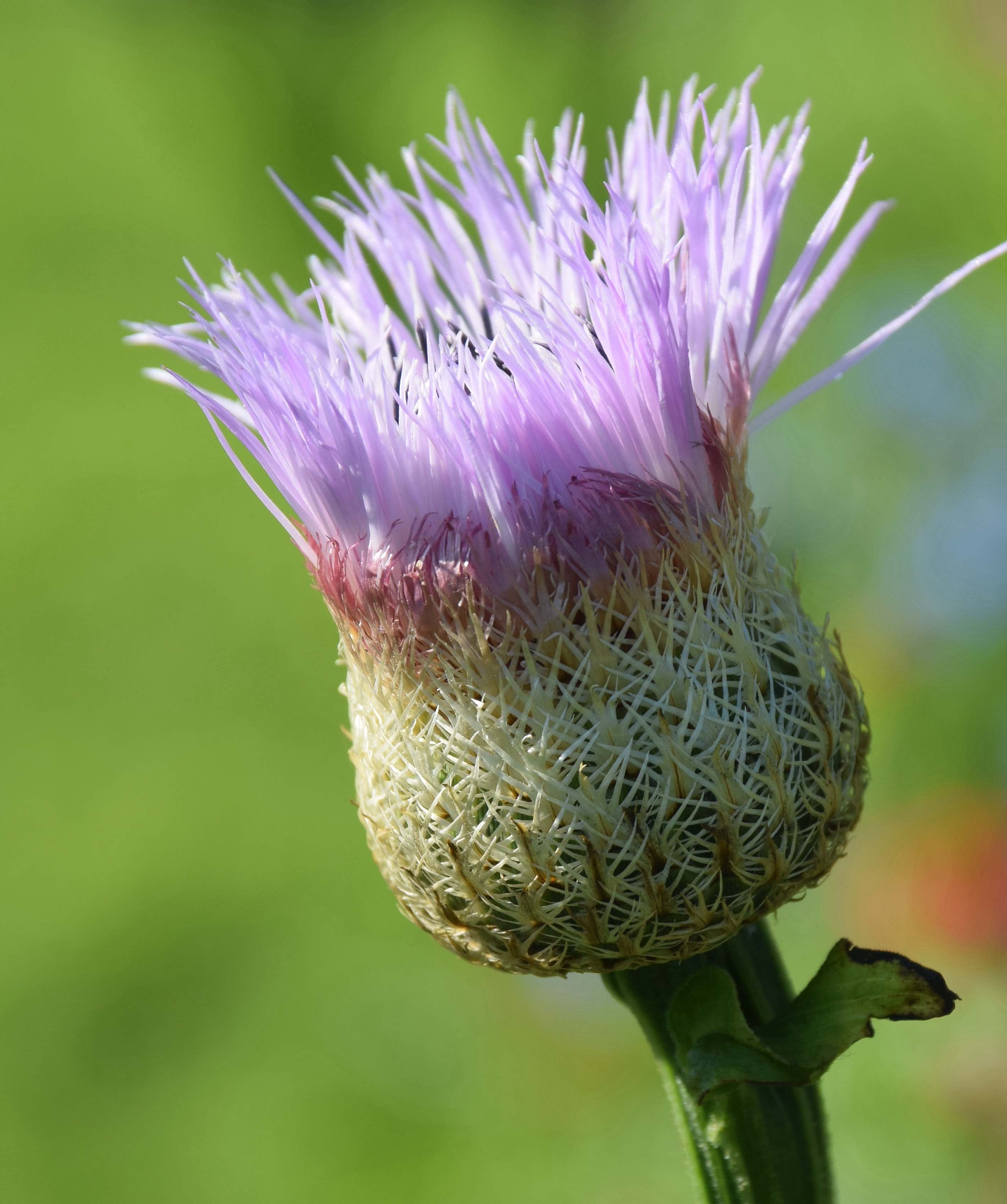
I am going to sow some seeds this week and see if they really are hardy over winter because plants raised that way should be sturdier and should bloom earlier next year. I have no issue with plants only opening in September but some earlier blooms would be nice and I have a nasty feeling that some of the buds may rot in October before they open when the weather gets wet and cool.

The flowers are supposed to be fragrant but I can’t detect anything apart from a rather dusty smell. They are also suitable for cutting but the flowerheads close up in late afternoon and open again in the morning. I have been adding them to the cut flower bunches at the gate and these strange blooms seem to pique interest.
They don’t seem to be flavour of the month with the butterflies but bees like them and I watched with fascination as a bee, which I think was a common carder bee (Bombus pascuorum), was in absolute heaven. It rummaged about the whole flower, not missing a single floret.
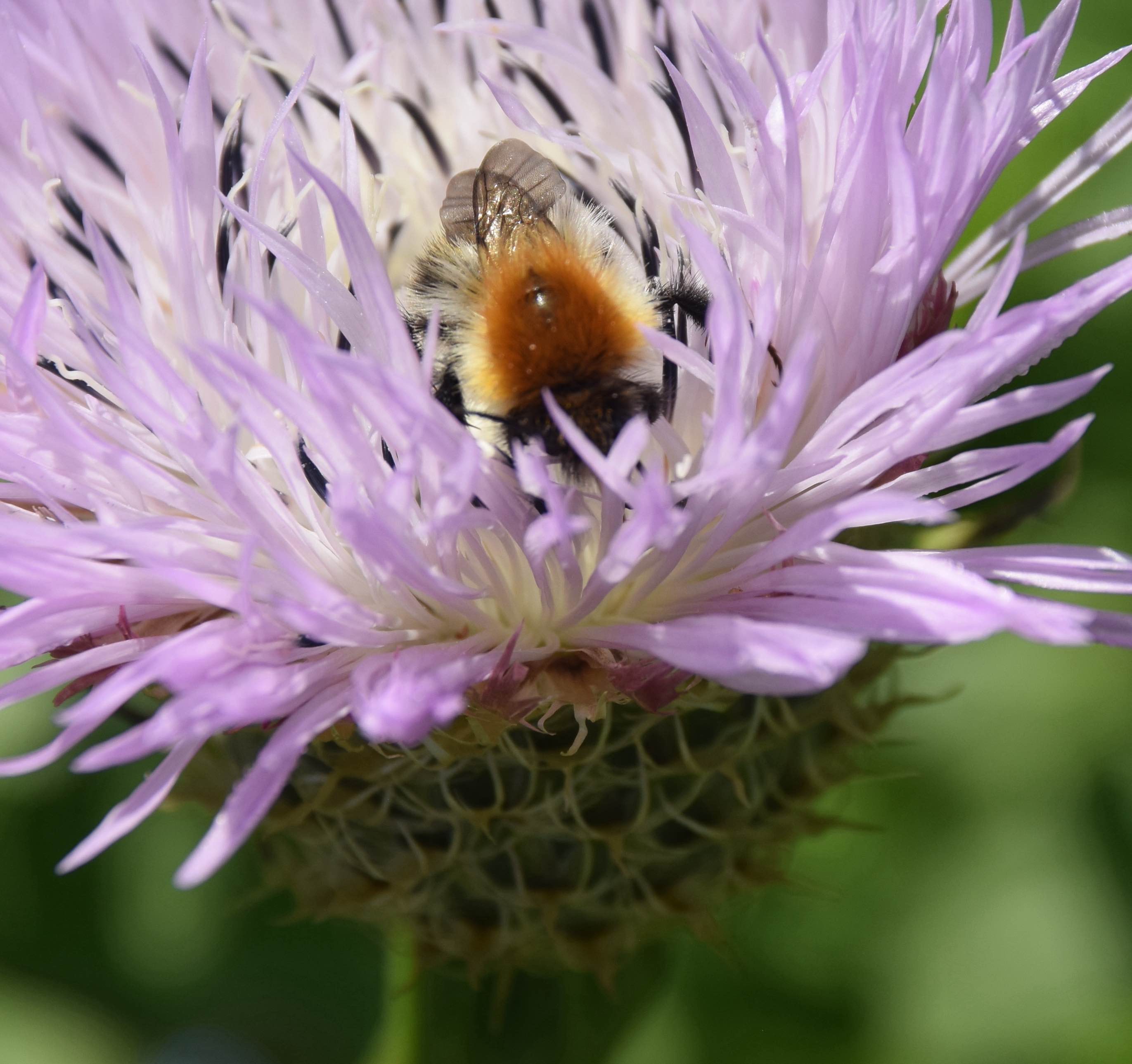
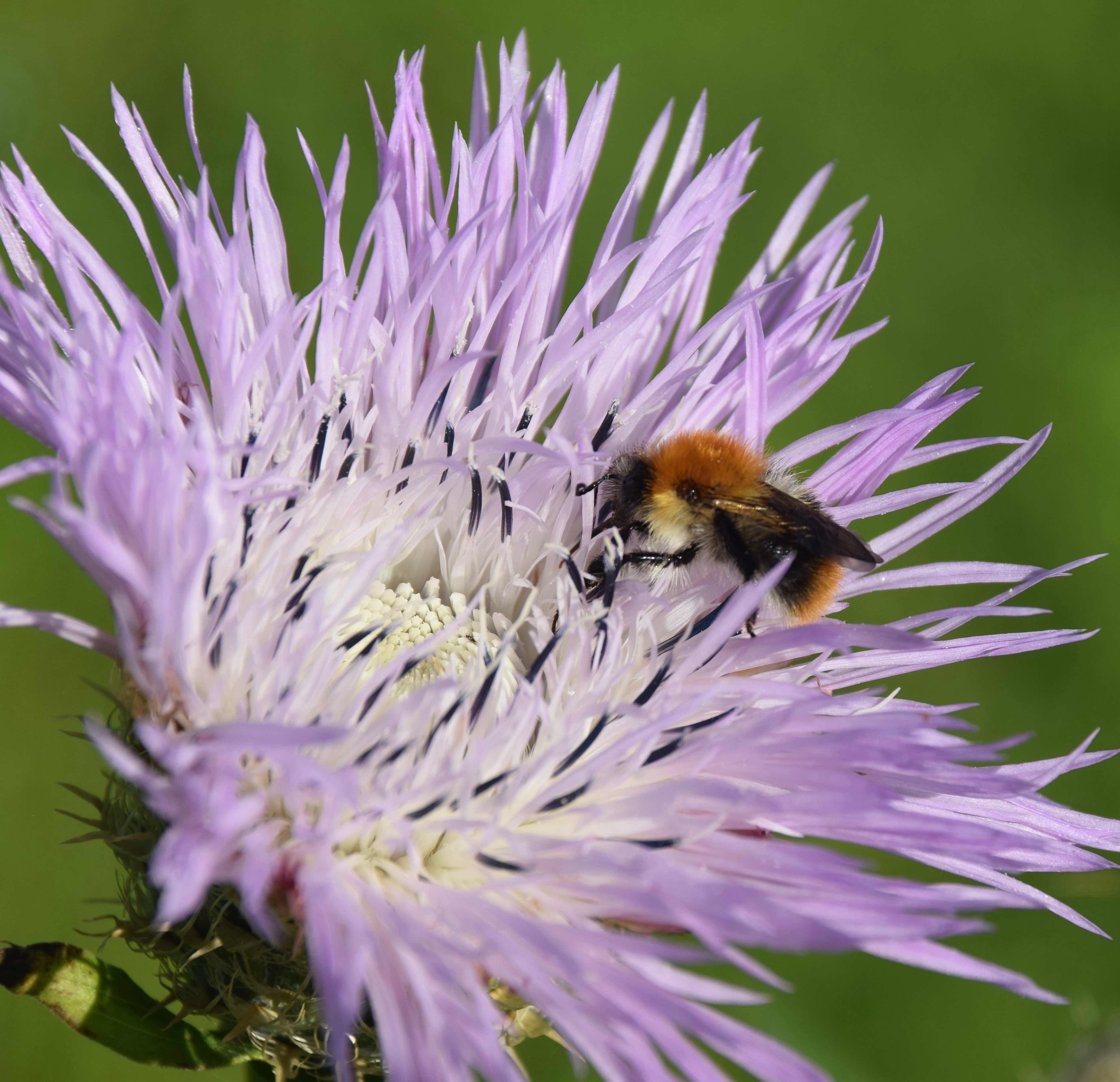
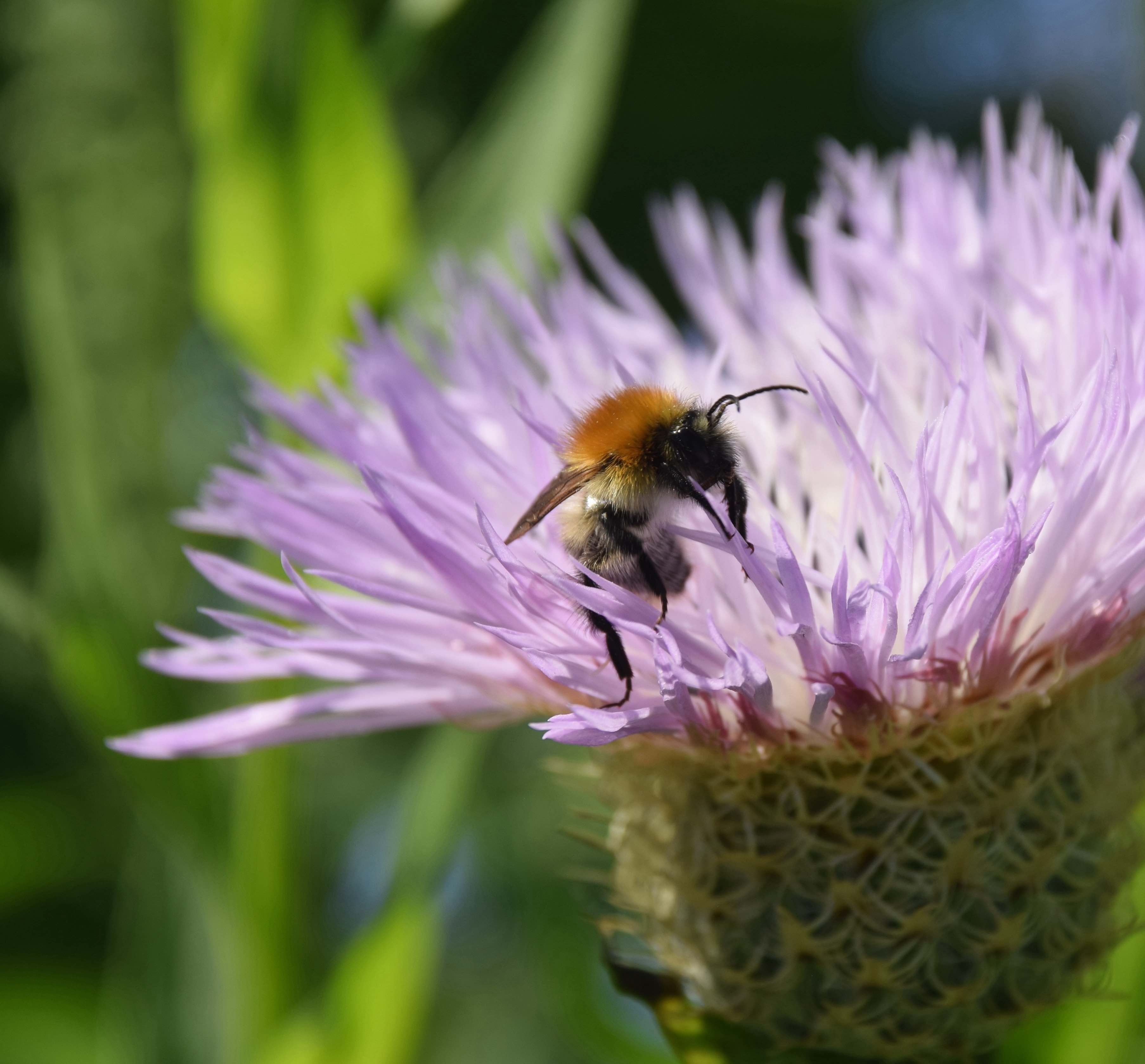
It was obviously after nectar because it thrust itself deep in to the blooms and was not just collecting pollen. I feel a bit guilty about cutting the flowers now but the leaning stems mean that lots of blooms are no longer suitable for cutting. So my lack of staking will make for happy bees.
 The Biking Gardener
I love to see the small blue butterflies, what flowers would attract them?
The problem is that if there are no food plants for the larvae there won’t be any adults. ‘Blues’ vary but most need clovers and bird’s foot trefoil and related plants for the larvae. The adults tend to prefer thistles and knapweeds. It is why I have planted buckthorn as a food plant for brimstones. There are none yet but I hope a passing female might lay some eggs eventually. We need to plant the food for the caterpillars as well as feed the adults.
I have a lot of clover…