An odd selection of houseplants
After some up-beat posts I am defaulting to my usual mood today! The world seems to be going mad around me and people get away with spouting nonsense. Of course, no one lies any more, they just miss-speak. And if they are caught out they just attack everyone around them. Does responsibility actually exist any more?
But I am back to a familiar theme today. I recently received a press release that made me choke on my muffin. It was about houseplants that fill the home with pollen, heightening allergies.
Now I am not belittling the problems of hayfever or allergies: I have suffered from asthma all my life and though I often take it less seriously than I should because it is a chronic condition, there have been times when it is quite frightening.
But this press release is so far off the mark and annoyed me because it is so inaccurate
“Experts from (I will spare their blushes) reveal which houseplants release high pollen levels into your home and the best hypoallergenic alternatives to replace them with. Swapping in hypoallergenic plants can help reduce allergens in the home when the pollen count is high and likely to interfere with sleep. “
“The worst offenders are air-pollinated plants. The more you have around, the more pollen is in the air.
Check if your home contains any of the following plants, which are some of the worst for hay fever:
Daisies
Baby’s breath
Chamomile
Chrystanthemums (sic)
Sunflowers
Dahlias
English lavender
Lavender’s attractive colour and fragrance make it a favourite in English gardens. However, its strong scent can aggravate allergic reactions. It’s typically wind-pollinated, meaning its airborne pollen will likely land on you. “
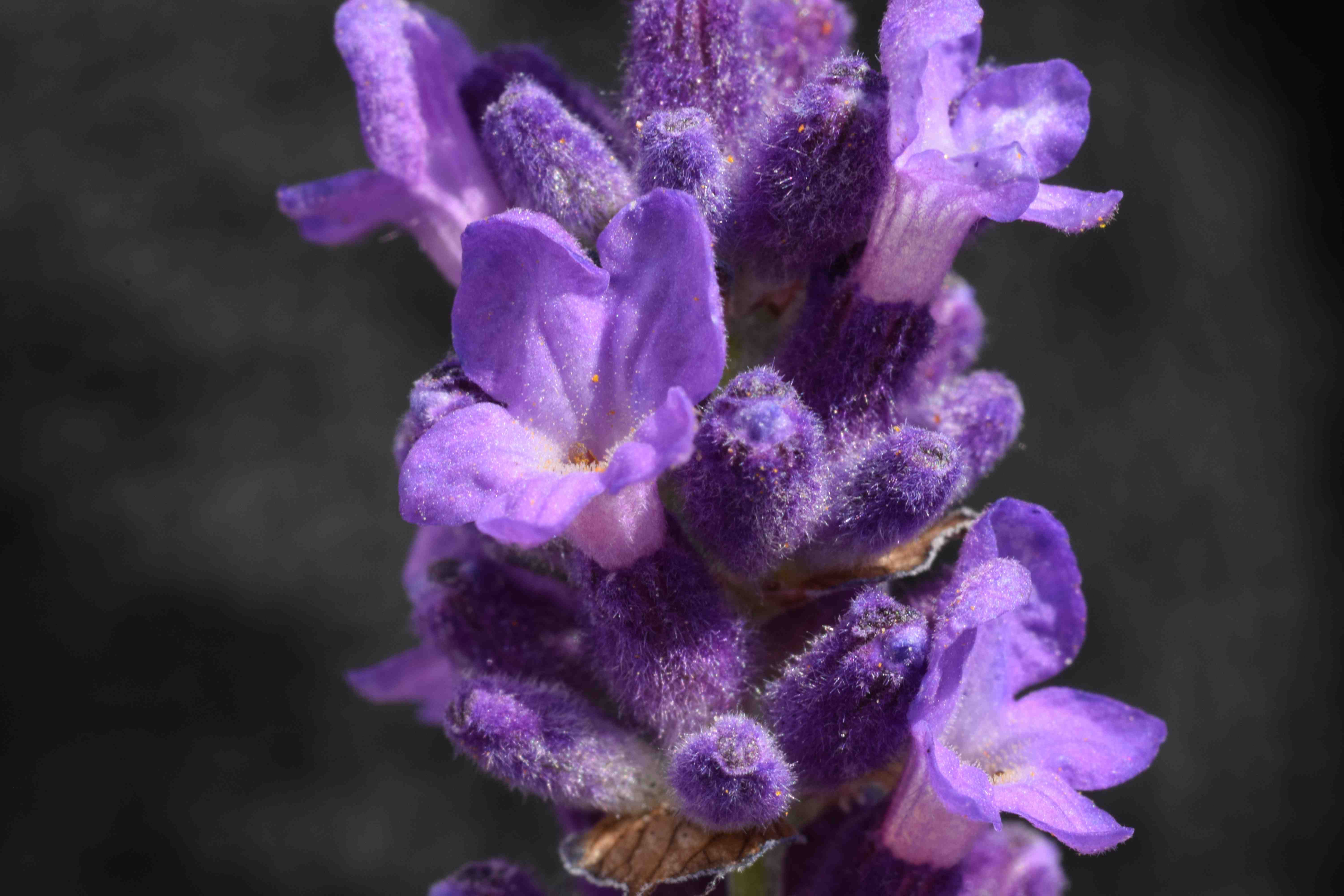
Now what I find bizarre is that none of these, with the possible exception of chrysanthemums, is a house plant or pot plant. And none are pollinated by wind. If sunflowers are bought as cut flowers they are almost without exception ‘pollen-less’ kinds and if lavender really is wind-pollinated what the heck are the bees doing smothering my plants collecting nectar!
The list of recommended hoseplants which, it is stated, are insect-pollinated, include roses, pansies and tulips, none of which are exactly common houseplants.
This is not simply a rant because I am affronted by this nonsense: it is a press-release that will be used to fill column inches, blogs and elsewhere as free content. And who will check it? It is really not that important but it is symptomatic of one of the curses of our age.
 The Biking Gardener
This sort of ‘information’ is why I started writing my garden column in 1998. An article in the San Jose Mercury News shortly prior to that described three techniques for protecting Japanese maples from theft. One was to dig a huge hole about as big as a trash can next to the tree to be protected, fill it with concrete and a loop of rebar, and chain the tree to be protected to the rebar loop. The second was to plant poison oak around the tree to be protected. The third was to wrap razor wire around the tree to be protected. It was written about as if no one would mind any of these elements in their gardens, and as if poison oak is commonly available from nurseries. My recommendation would be to not bother growing Japanese maples.
Exactly. It is a bit like owning a jewel that is so valuable that you have to keep it in a vault! Seems a bit pointless to me, but then I can’t afford anything that valuable.
I would guess that the post in question was probably AI generated…
quite possibly!
On a positive note, houseplants seem to becoming very popular with youmger people and, I believe, most houseplants are chosed for the appeal of their foliage rather than of their flowers…so, no pollen bother.
Yes, no flowers – no pollen. Just spent the weekend at Antrim Show and had to do talks on a variety of topics including houseplants and although there was some interest, the attendance for the houseplant talks was smaller than for the others which confirms what I have always believed – that people consider them disposable. But, as a very unscientific judgement I would say that younger female people made up the bulk of those audiences.