Amazing annuals: mimulus
Short-lived perennials with intriguing, spotted blooms for moist soil
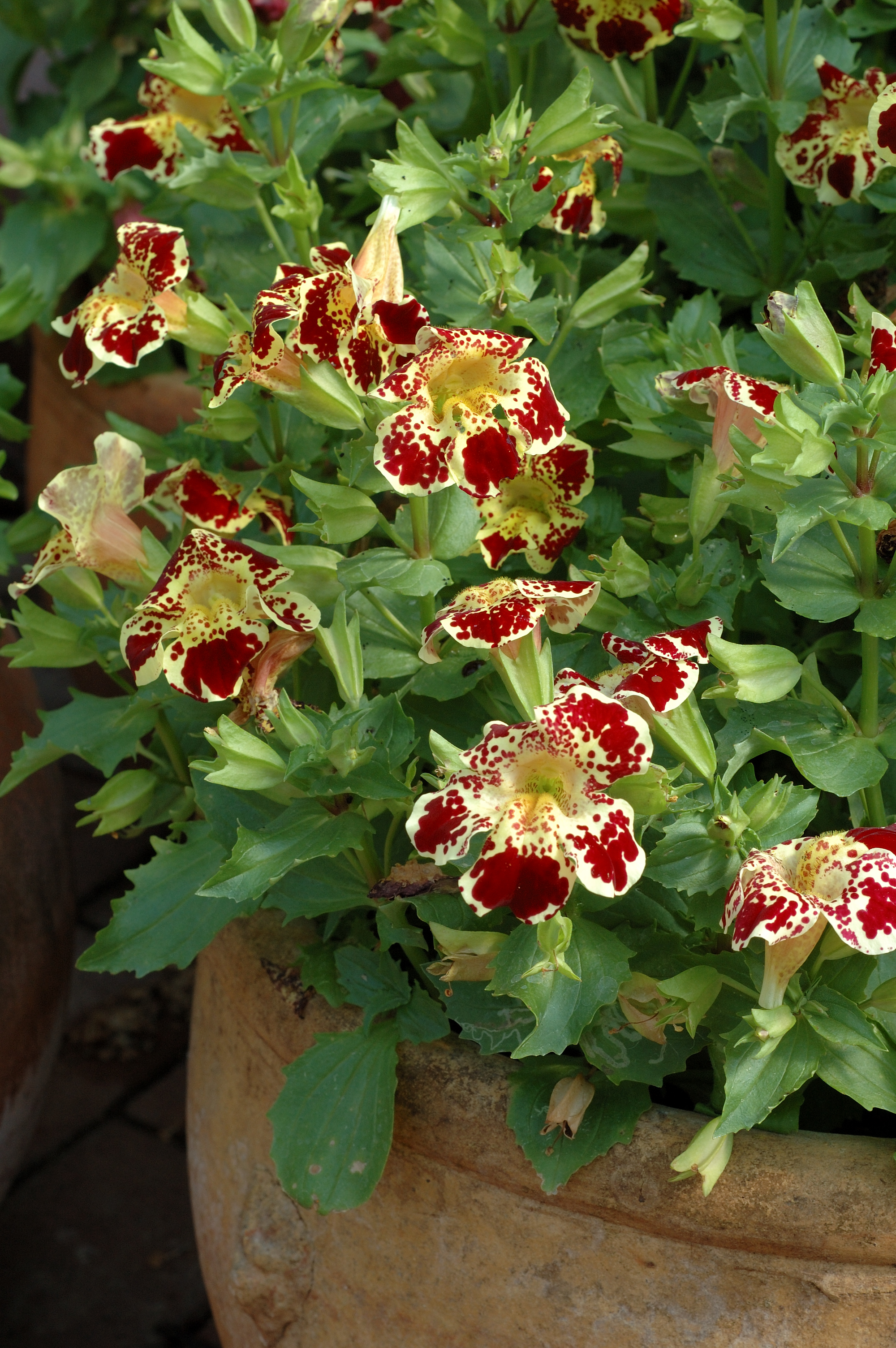
Robinson does not seem to rate mimulus very highly, though he does rate the tall, perennial M. cardinalis, saying that the best were Californian natives, suggesting that he liked the shrubby Diplacus aurantiacus (formerly mimulus) though he does not name it. He also liked Mimulus moschatus (musk) – now Erythanthe moschata. This is native to the Rocky mountains and is a small, rhizomatous perennial that likes moist soil. It used to be widely grown, even as a windowsill plant and I grew it many decades ago. It is fascinating because it was renowned for its sweet, musky fragrance but in about 1913 every plant, in cultivation and in the wild, lost its scent. A theory is that, in cultivation, plants were selected for flower size and inadvertently also selected for lack of scent, but that does no explain the loss of perfume in the wild population.
Anyway, back to our annual. Listed as Mimulus x hybridus, these are derived from the yellow M. luteus and the spotted M. guttatus, both short-lived perennials. Our annual mimulus may survive a winter outside but they frequently flower themselves to death or die because they are too dry in summer.
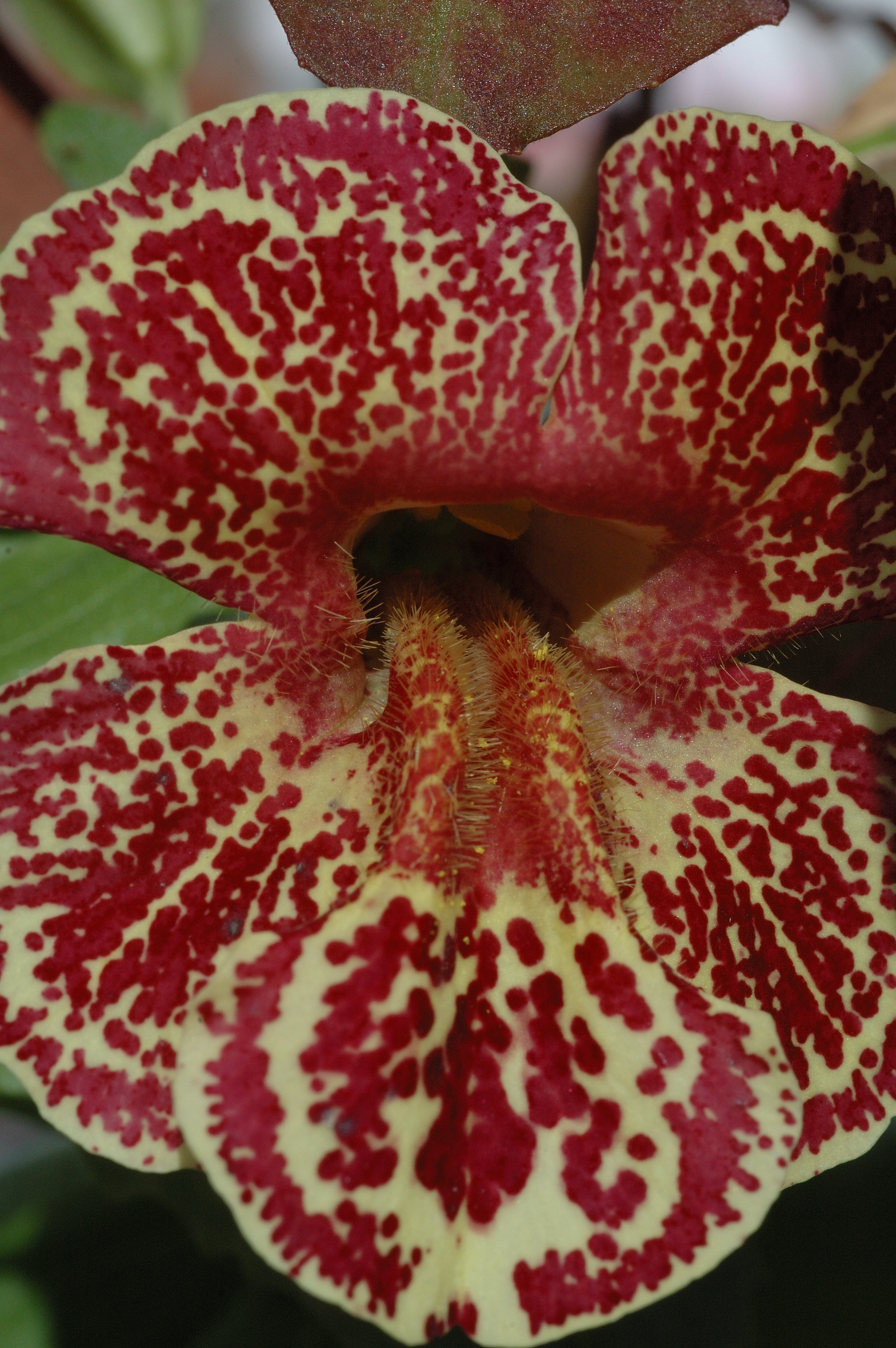
They are not difficult to grow from seed, sown in gentle heat in March, and they do not need as much heat as some annuals. There are F1 hybrids which have an improved habit but the seedlings do benefit from pinching out the tips so they make basal shoots and do nor flower when too small, when they can prematurely set seed and give up growing.
The useful thing about them is that they will tolerate some shade. What they dislike most is hot, dry conditions. Too dry and they don’t last long at all. But for those cool, shady places they are very useful. They are good patio pots but also have their uses to fill the front of borders among perennials and, usefully, they will do really well at the edge of ponds, as long as it is moist.
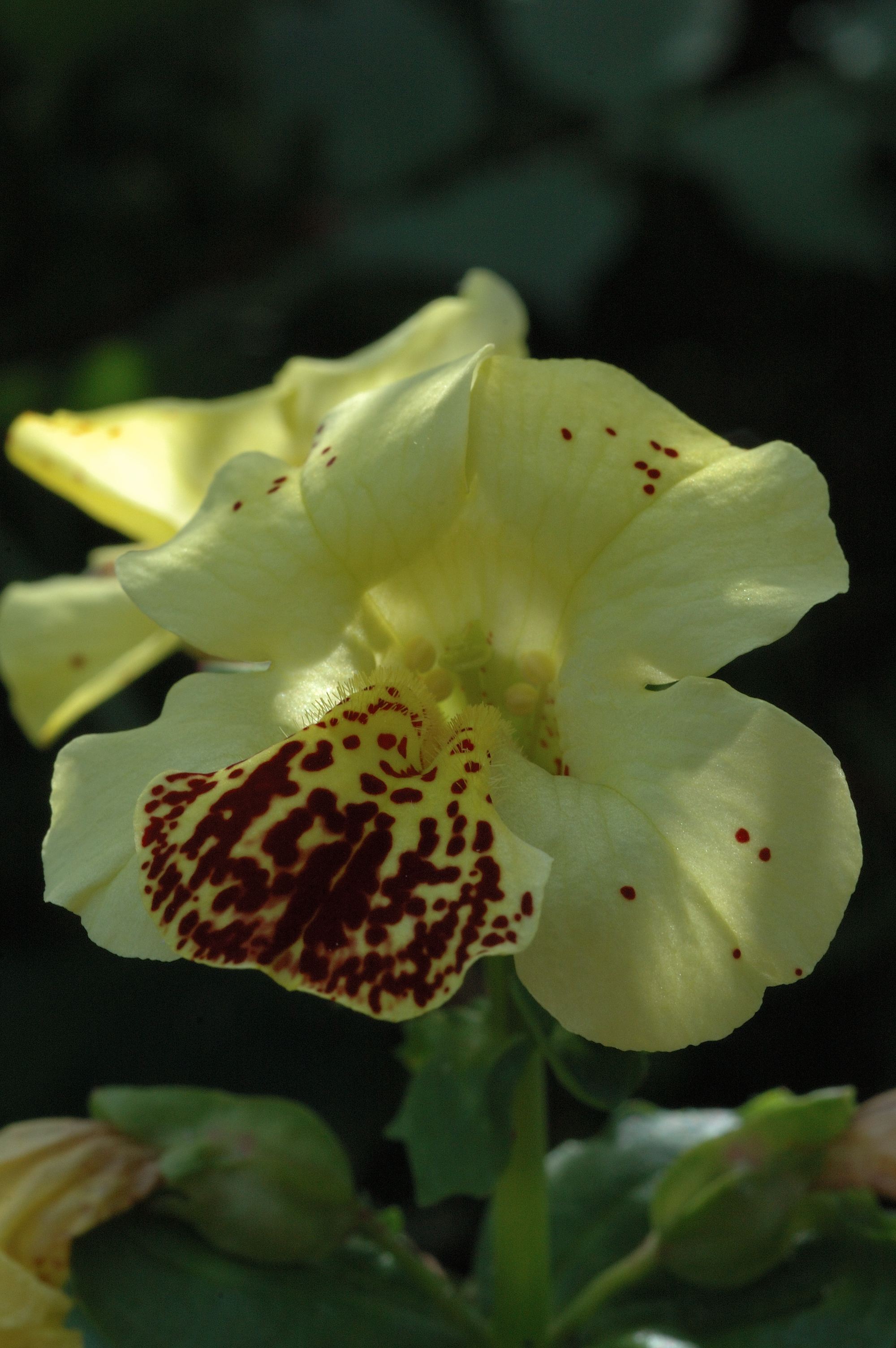
Some of the modern hybrids have a wide range of clear colours, encompassing orange, yellow, red, pink and cream but others are selected for their heavily spotted flowers. I tend to prefer the spotted and blotched flowers but all are pretty.
Rewinding to diplacus, these are shrubby mimulus and largely native to the west of the USA. Only D. aurantiacus is widely grown and is a beautiful, small shrub with narrow, sticky leaves and gorgeous soft orange flowers. It is not hardy and dislikes wet soil.
 The Biking Gardener
The wild species are nothing like this. They grow wild here, and are sometimes planted in landscapes. I am none to keen on them because they are not very pretty when they get overgrown. I cut them to the ground so that they stay low and fluffy. Unlike these fancier garden varieties, they do not like to be watered much at all.
I wonder if these are the mimulus are what are now called diplacus? There are some beautiful species that are found in the driest of locations.
Diplacus aurantiacus is now the correct name, although I still consider them to be Mimulus. The common name is sticky monkey flower. They somehow look prettier in pictures.
Because they are not hardy here we tend to propagate them and use them as temporary plants for summer and they are lovely. I know that old plants get straggly. Name changes are annoying. The common name for mimulus in general is monkey flower here too.
At least the name is appealing, or at least amusing.
What do monkeyflowers do for nitrogen? I visited a site yesterday where a small glacier had disappeared in the recent past, and the melt stream was covered with Erythranthe (I miss Mimulus) lewisii. How do they do it?
That sounds a lovely place to be. I am no scientist but mimulus are distantly related to orobanches and although I do not think any are semi-parasitic maybe they can get nutrients in less traditional methods. I also think many mimulus are particularly good at coping with mineral challenging soils. Perhaps the glacier melt is actually nutrient rich if it contains dust or ash from the past? I don’t have an answer, just some thoughts