Dendriopoterium pulidoi

Dendriopoterium pulidoi
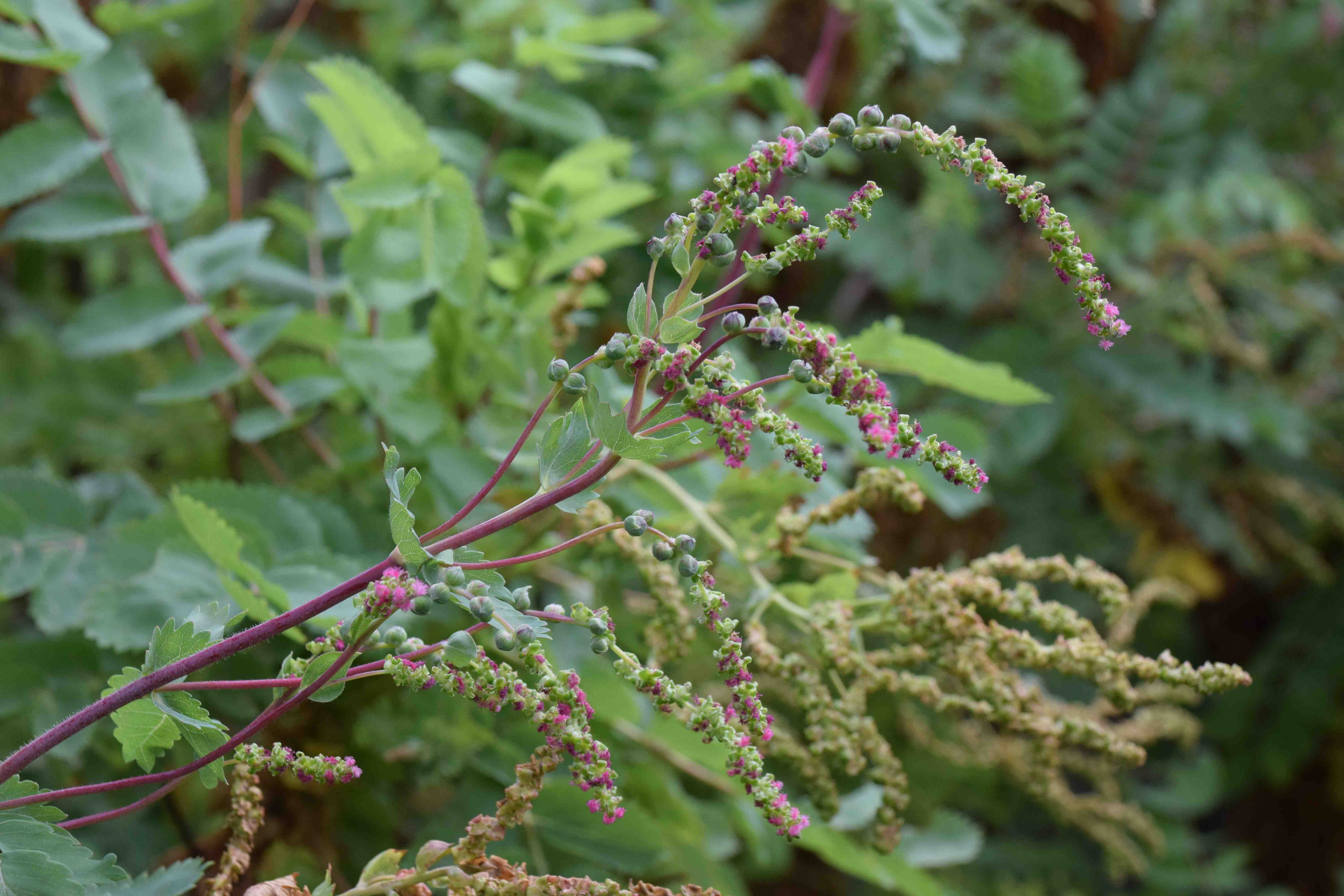
Today a very odd plant. It is odd in so many ways! It is a rare endemic to Gran Canaria where it grows at high elevations just below the Canary pine zone which is temperate but largely frost free. It has pinnate leaves in a pleasant glaucous green and these hang on the branches when dead giving the shrub a slightly scruffy look. the flowers are carried in branched stems at the ends of the stems and are tiny, tiny, pink powderpuffs and I believe that plants are either male or female but I am not 100% sure of that. It is a largish shrub that grows to about 3m and is very rare. At last count there were less than 1000 plants in the wild.
What makes it really peculiar is that it is in the rose family. Now Rosaceae does have some very odd family members that really do not seem to be in any way related to roses. Among these is sanguisorba or poterium which include salad burnet. The small flowers of these plants, and the pinnate leaves do look a lot like this plant so the name of Dendriopoterium (meaning tree-poterium) is appropriate. It is another case of relatively familiar plants getting bigger and doing unusual things when evolving in the Canaries.
It is not a plant of exceptional beauty and the flowers are very small, but with so many open at any one time it does produce a pinkish haze set against the greyish leaves.

In the mountains in the west of Gran Canarie near Tejeda where most of the wild plants of Dendriopoterium pulidoi grow
 The Biking Gardener
You can see the Rose genes at work. It’s not dissimilar to Filipendula, which, I believe, is also a member of the rosaceae family.
Yes that is very true – its just the flowers that are so bizarre