National Botanic Garden: Glasnevin, Dublin
To my shame I have only been to the National Botanic Garden in Dublin once, last March for a seminar on a cold, dull day. That is until today when I had to drop someone off at the airport and checked the atlas and discovered that the garden is only 6km away! So, because it was such a lovely day it seemed the perfect opportunity to correct my failing and I headed south to the garden. The car park is just south of the main entrance and costs 2 euro but there is also parking in the surrounding streets.
You can get the full lowdown of the garden on the main website apart from other places but, briefly:
The gardens date back to 1795 and, like most botanic gardens its primary aim was research but in the case of Glasnevin it was agriculture rather than horticulture but this changed in the 183os because of greater contact with other botanic gardens and the influence of plant collectors who were bringing back plants to Europe from around the world. As in many botanic gardens, it is the glasshouses that really impress and the Dublin ironmaster Richard Turner, also responsible for the great Palm House at Kew, designed the Curvilinear Range at Glasnevin. It was started in 1843 and opened six years later and visited by Queen Victoria. It was extended (the glasshouse, not the visit) in 1869. The first palm house in the garden was built in 1862 but was wooden and was badly damaged by wind twenty years later and replaced by the present structure which I found intriguing because of the substantial stone building, the height of the structure, at the northern end. By 1992 the Curvilinear Range was in a bad state and restoration was started and completed three years later in time for the garden’s bicentenary. The new alpine house was opened in 1994. By 2002 the Palm house needed attention and its restoration was completed two years later so all the glasshouses now look splendid (though the cactus house and others are now being worked on). The conservatory is usually filled with seasonal plants but currently displays a private collection of bonsai. I was amazed that they are right by the car park and although there is an attendant I would be very worried if they were mine!
Like all botanic gardens, ‘Glasnevin’ is a scientific collection so there is not masses of colour although there are annuals and bedding planted to satiate the public’s need for spectacle. Most of the ‘interest’ is close to the main entrance though the kitchen garden is at the far end and worth a walk. Lots of mature trees create a lovely place to walk and the greenhouses are spectacular enough to entertain even the least keen gardener. There is an indoor cafe, though I recommend the courtyard cafe where they sell the best fresh cream meringue roulade I have ever had (though I didn’t have it today) for 4.60 euro. make sure you explore all the paths and the area to the north of the Curvilinear range the other side of the river – it is here that you will find the rose garden. The order beds, where plants are grouped according to their family, are small but very well designed and then there is the small rock garden which was apparently despised by the opinionated Reginald Farrer who described it as a ‘Devil’s lapful’.
You need to allow at least two hours for a visit and you could easily spend the best part of a day here if you are interested.
Anyway, enough words.
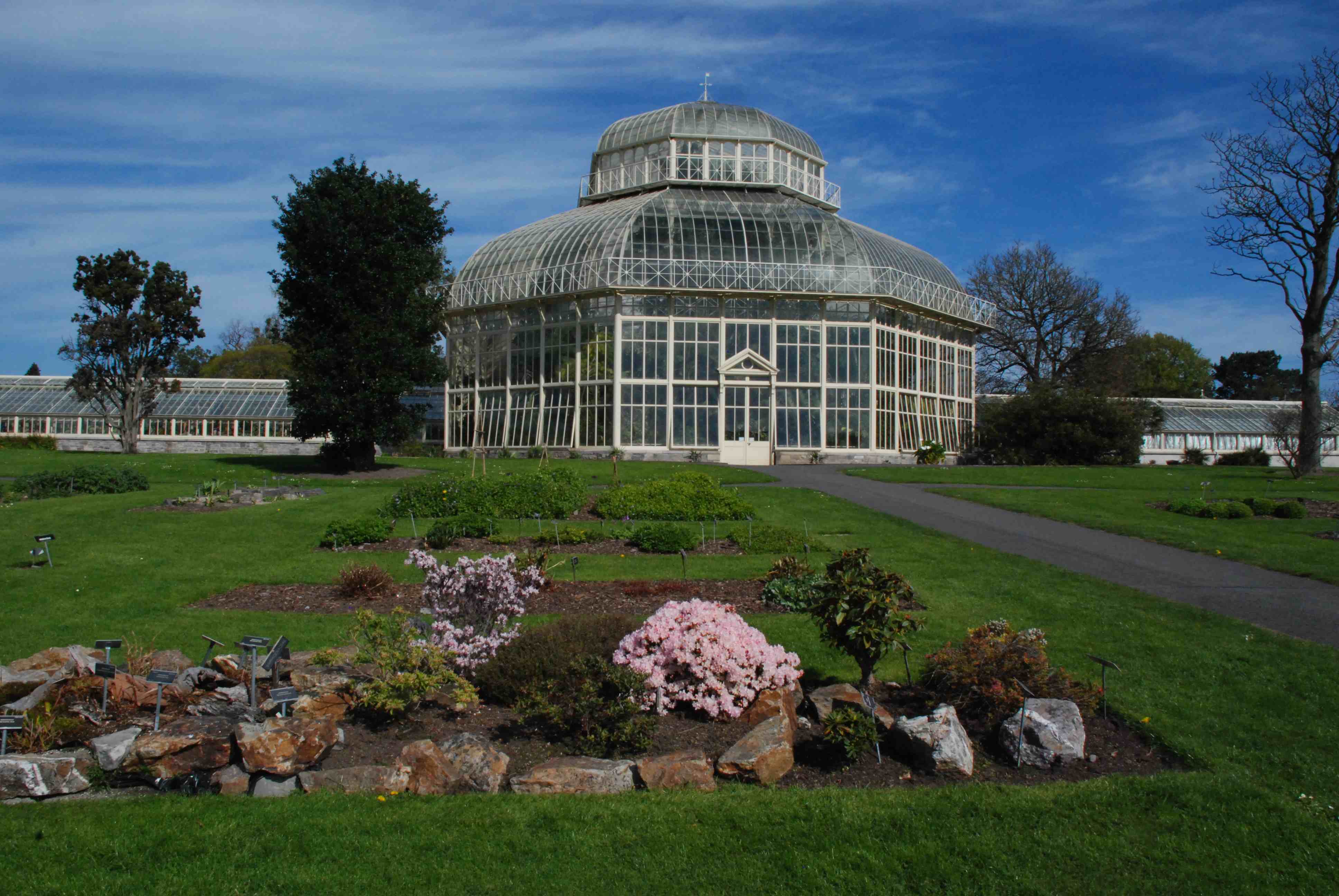
The Palm House from the Order Beds (Ericaceae in the foreground)

Inside the Palm House with the mist on
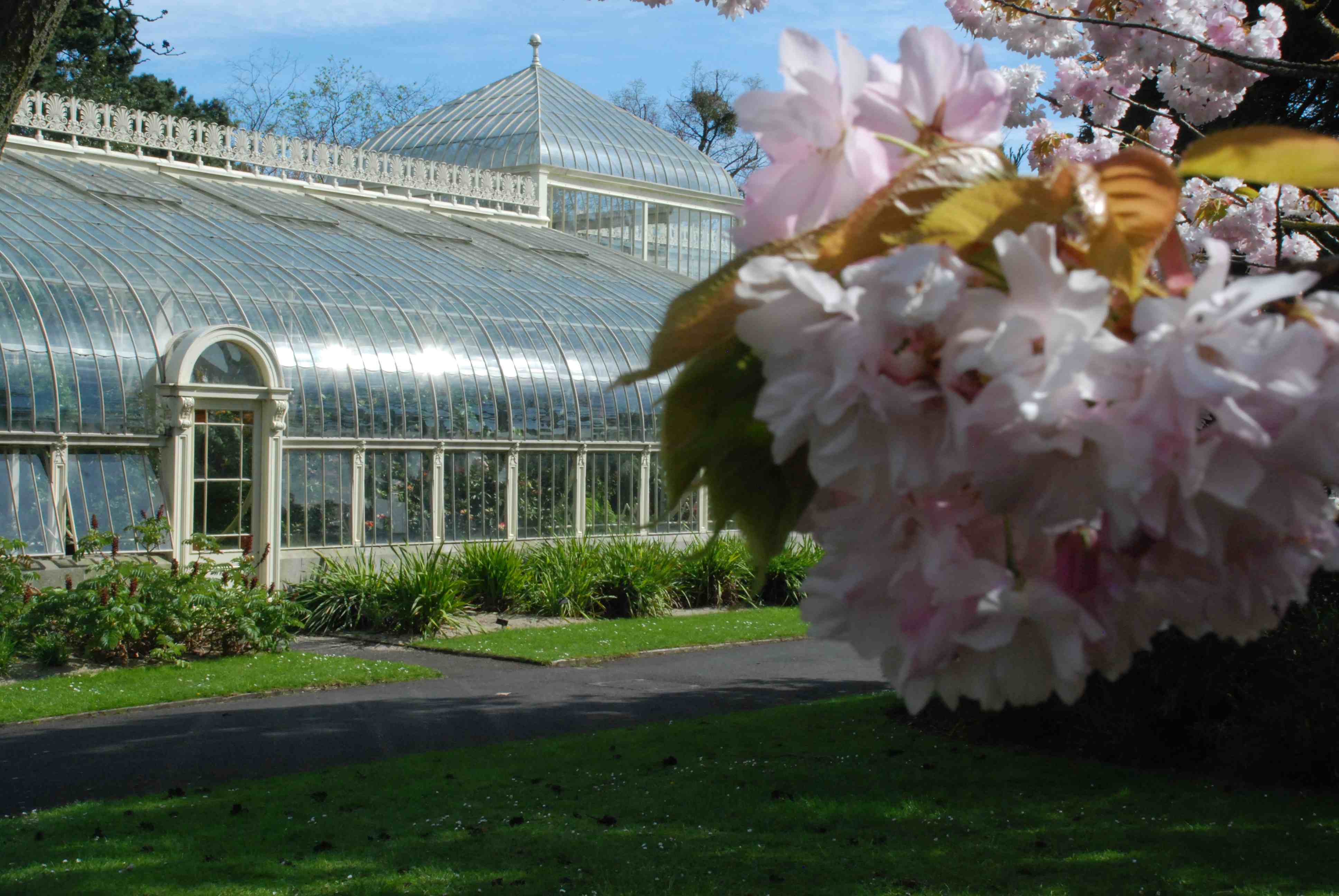
The west end of the Curvilinear Range that houses and extensive collection of Vireya rhododendrons
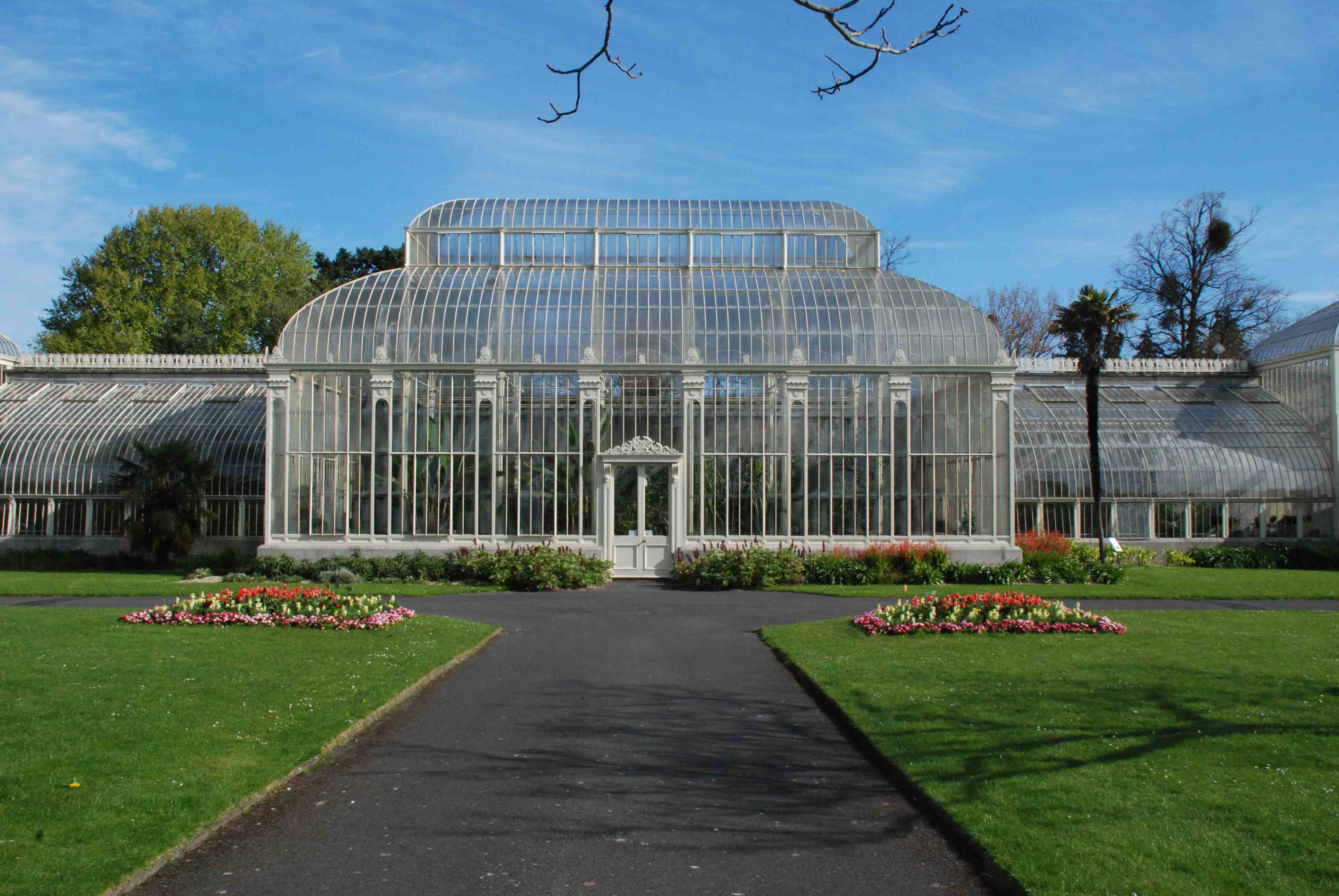
The central house of the range

Just another photo – I am a sucker for glasshouses
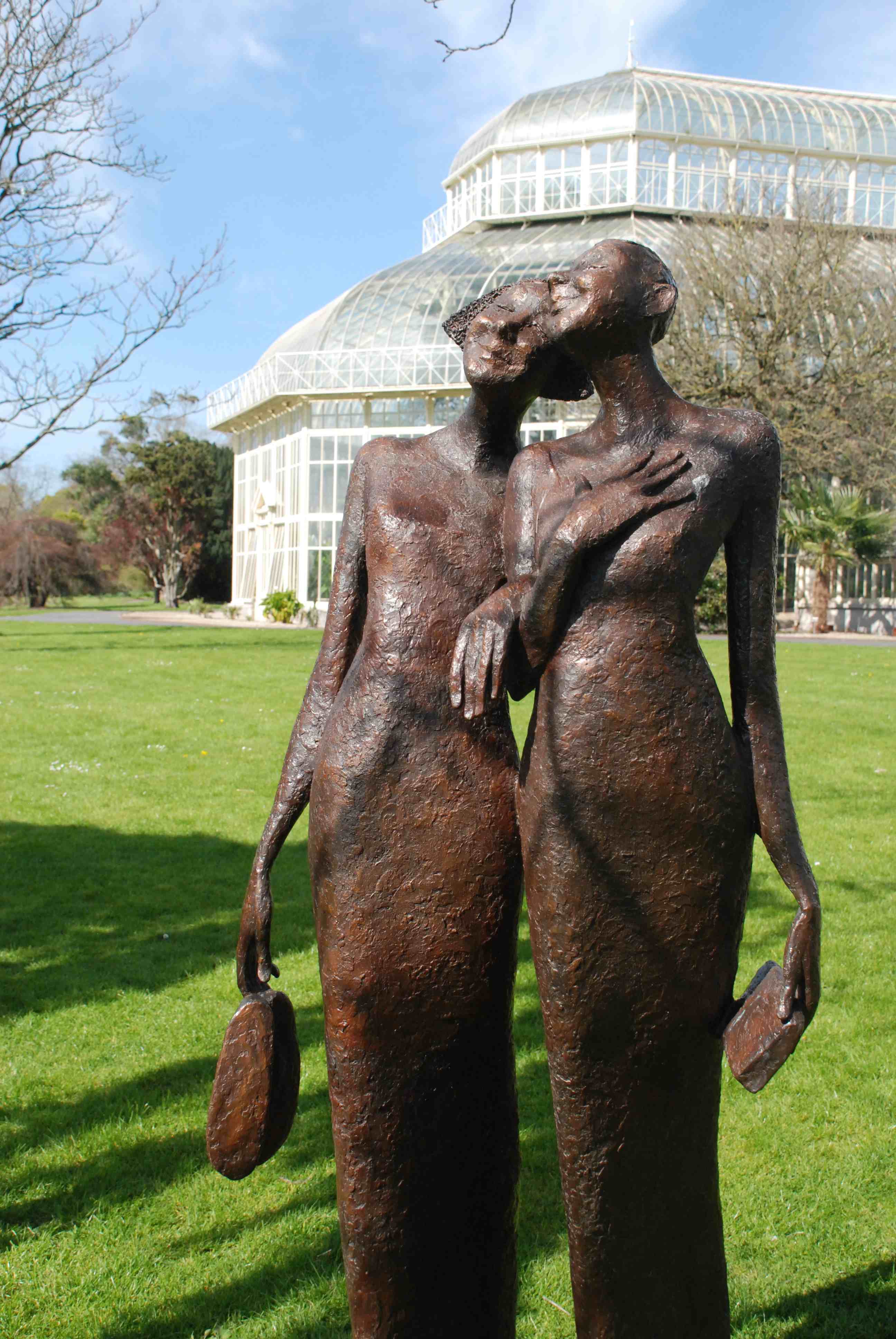
I am not a great fan of sculptors spoiling great gardens with their ‘objets’, though there are some exceptions. But this piece has such humour and vitality that I couldn’t help but like it. ‘Best Night Ever’ by Bob Quinn

The Conservatory with bonsai
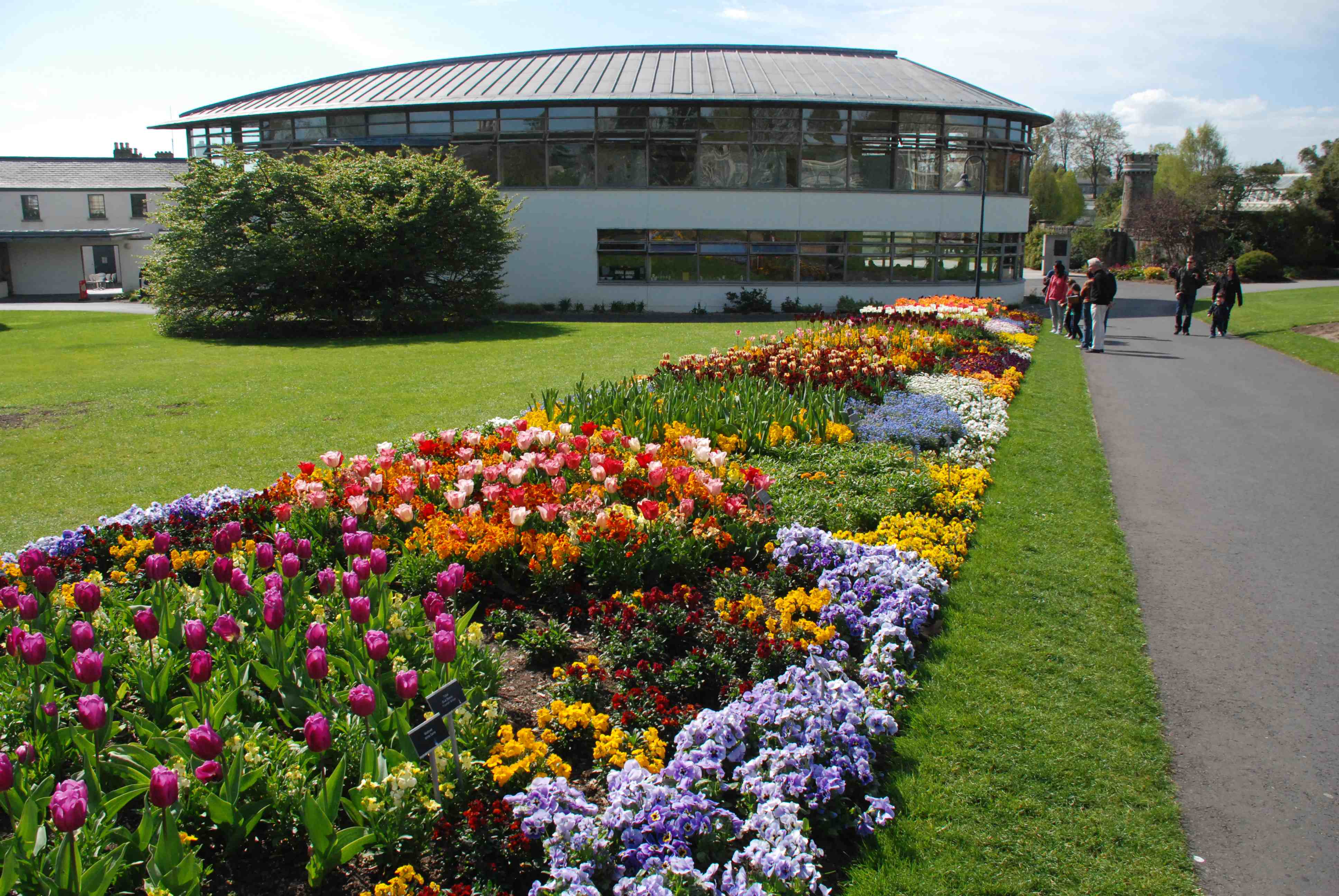
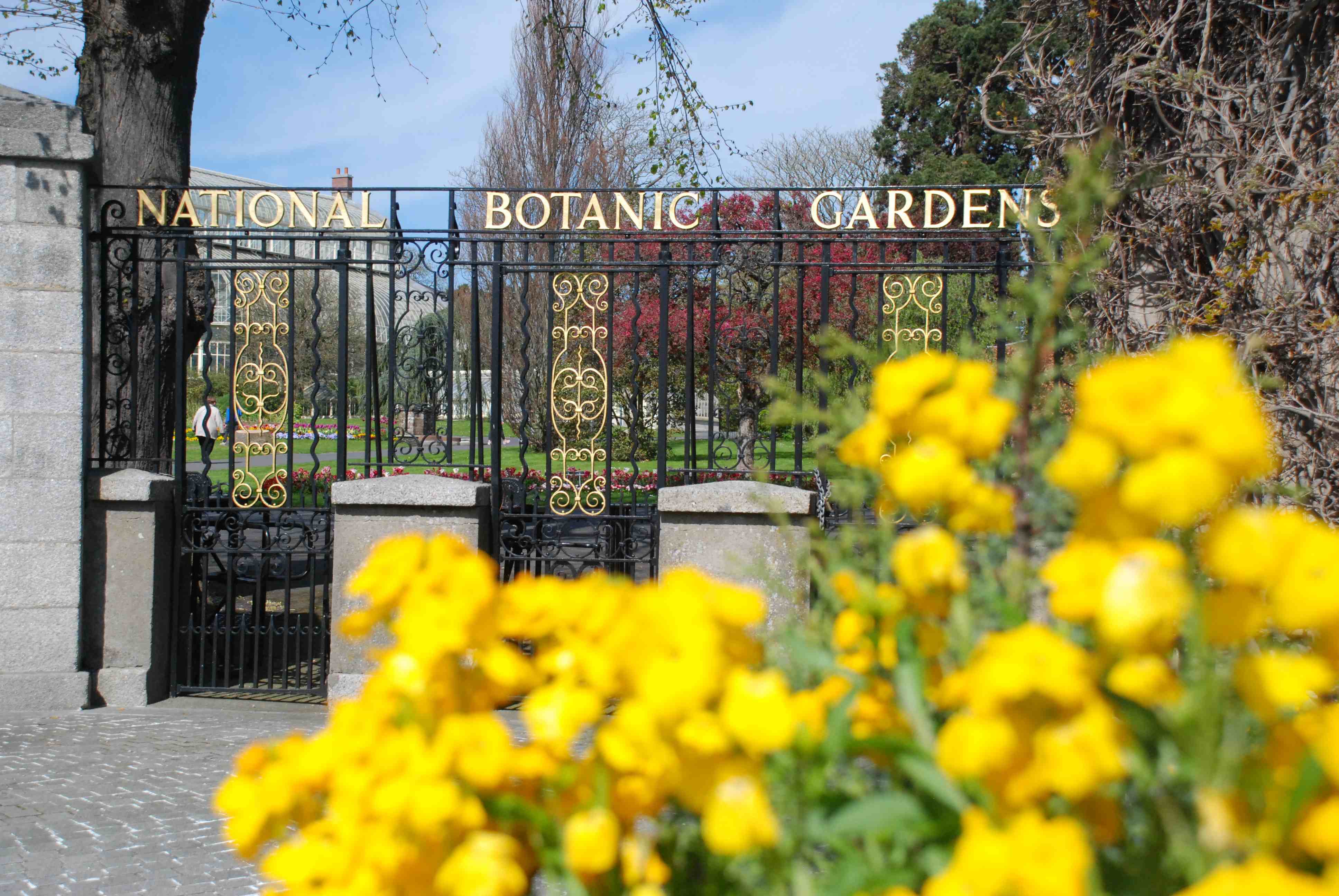
Happily, there were some plants too. Here are some tulips, wallflowers and violas by the entrance
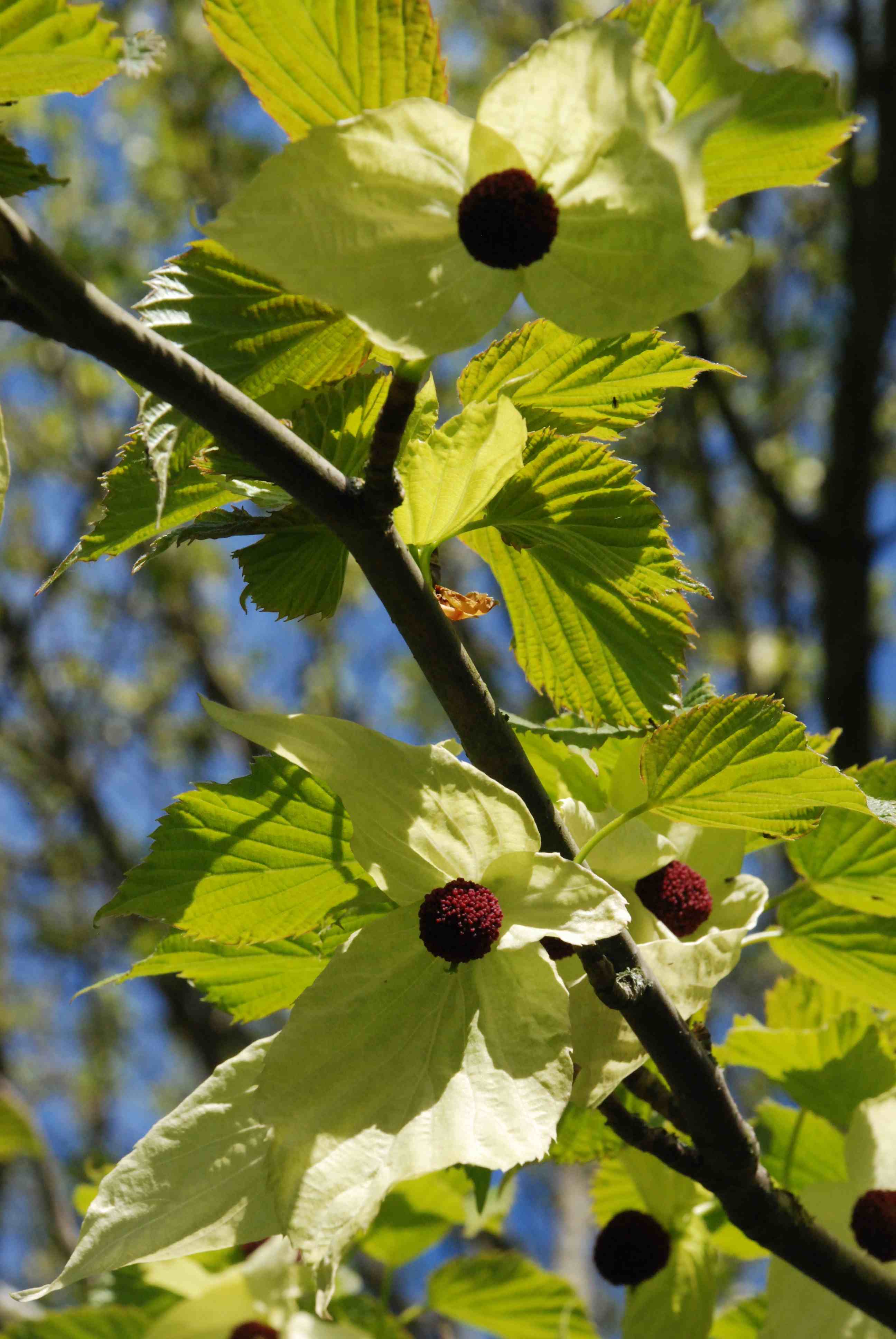
Not quite fully developed but still spectacular, Davidia involucrata is one of those trees that has almost legendary status and is unlike any other flowering tree
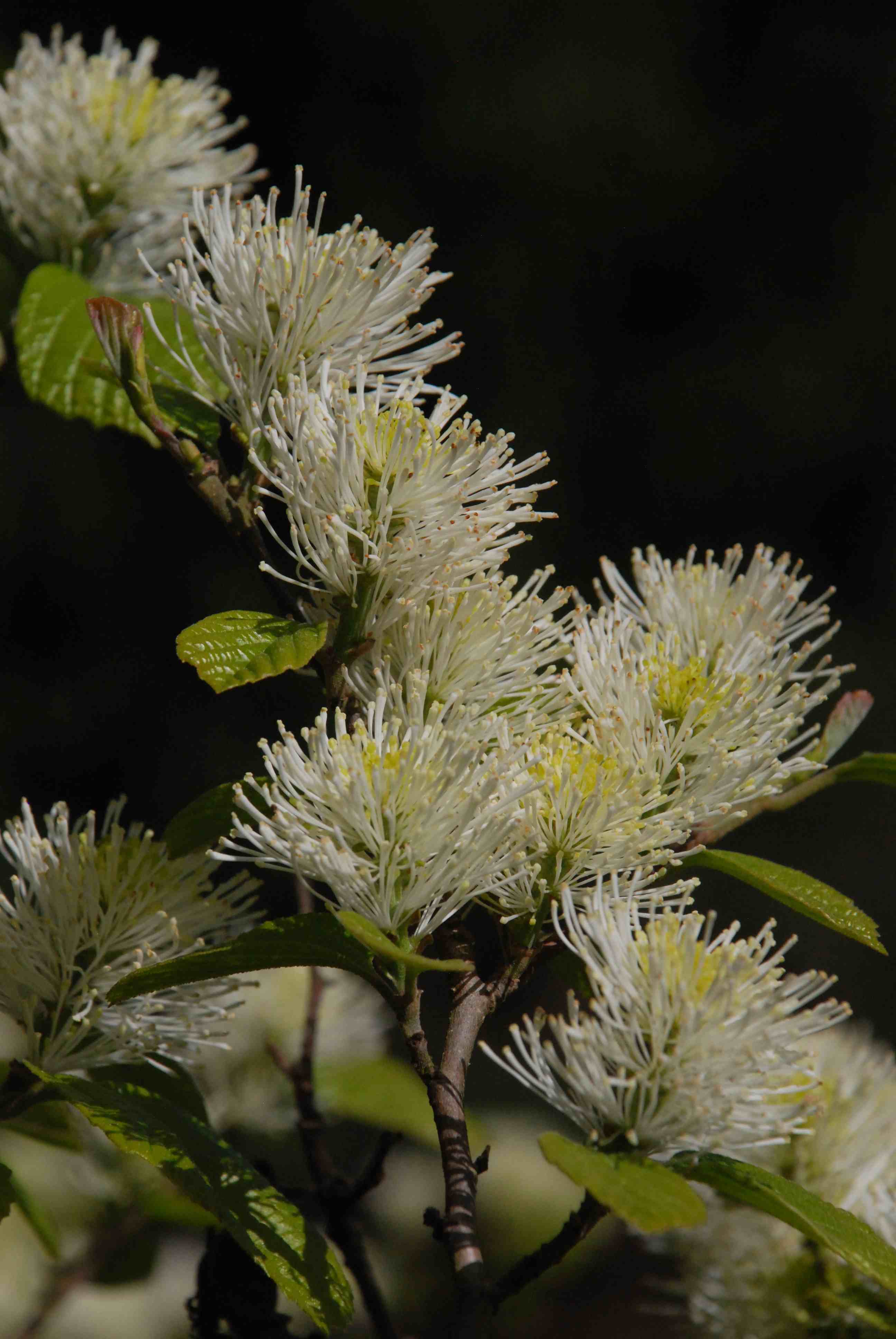
With its brush-like flowers fothergilla is another shrub that cannot be mistaken for any other
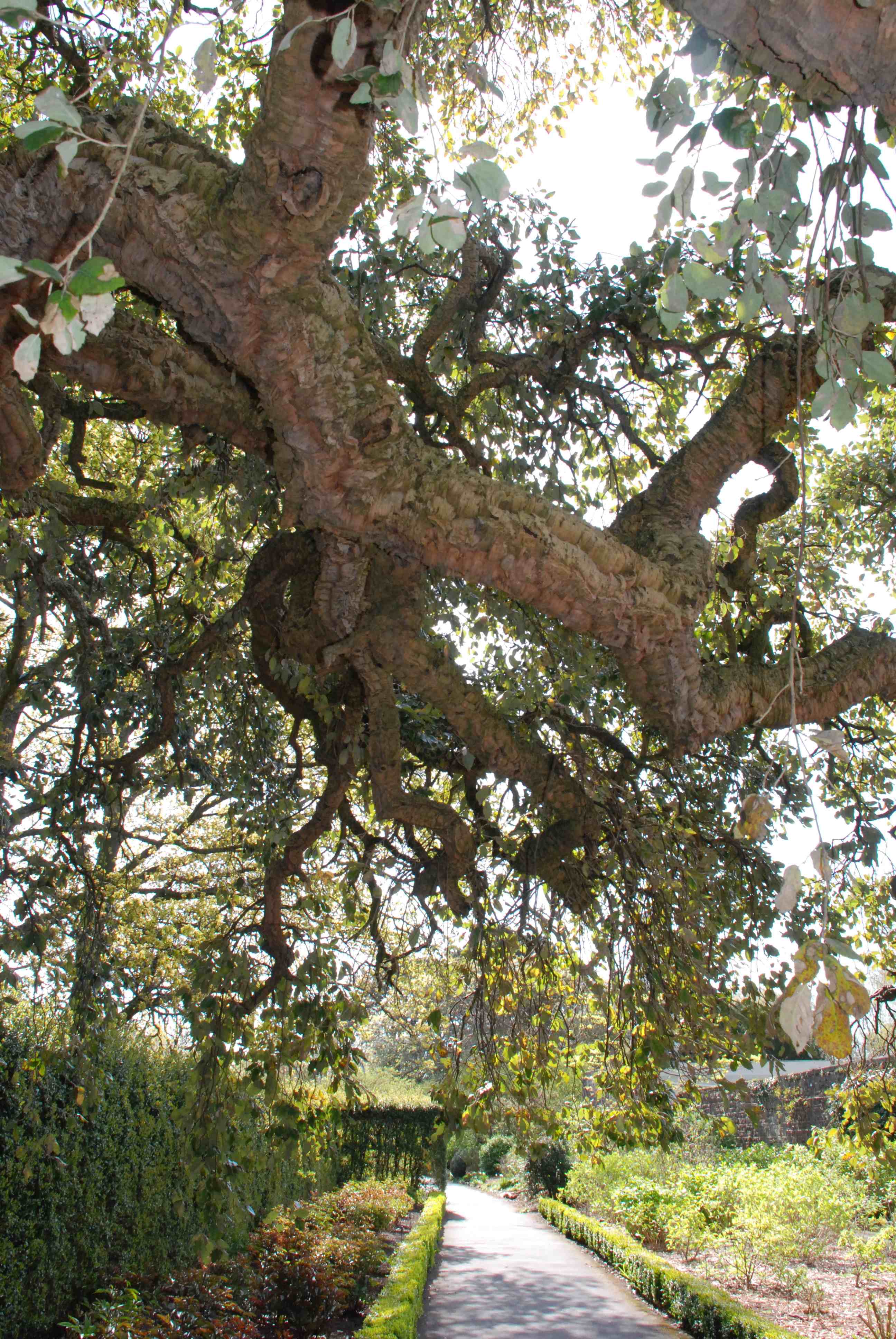
The cork oak (Quercus suber) in the garden is one of the best I have seen and is situated beside a double border of herbaceous and tree peonies that I MUST get to see
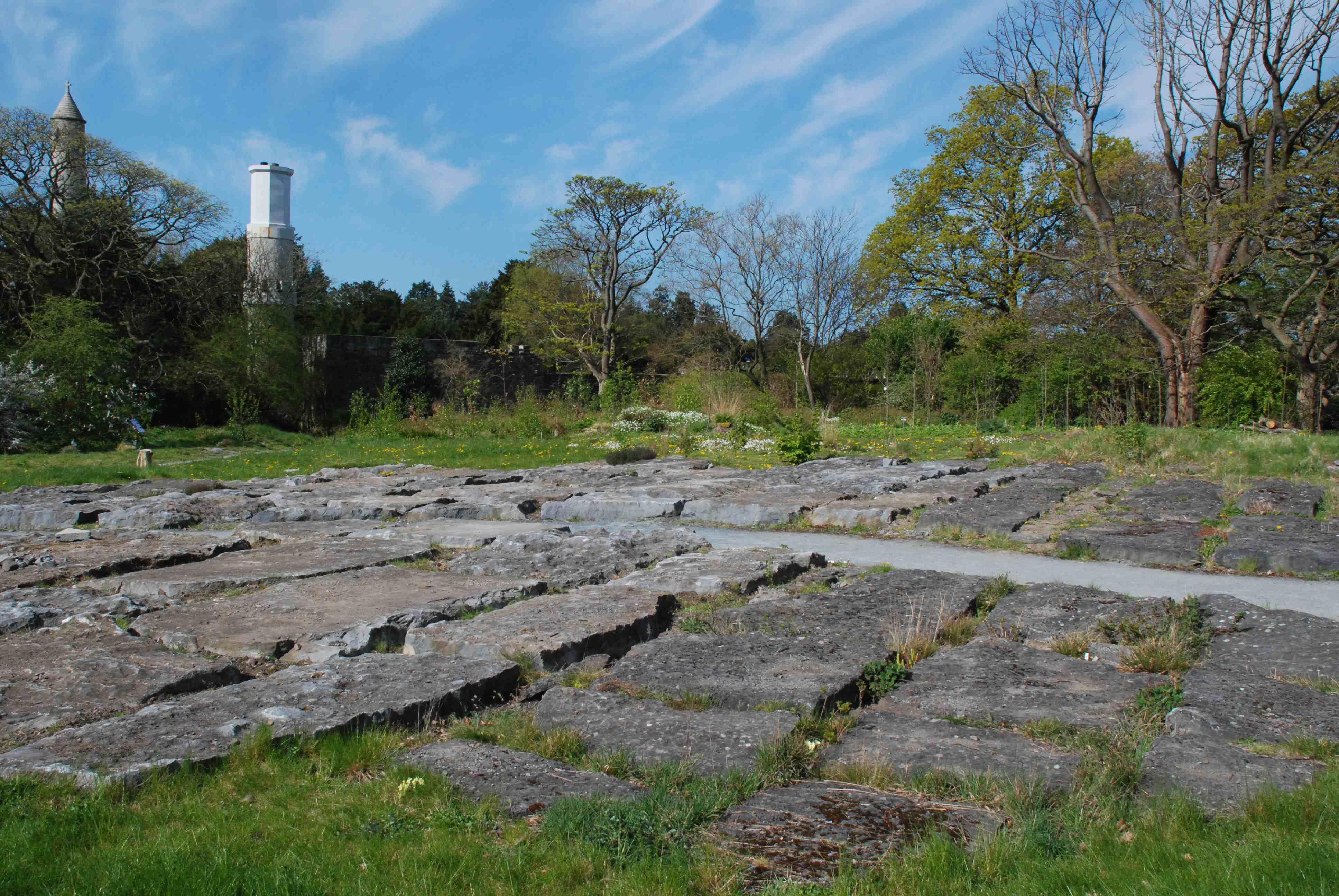
This is a botanic garden so must feature Ireland’s native flora including an area that represents the famous Burren in the west (and which I must get to too). Many views include views of Glasnevin cemetery.
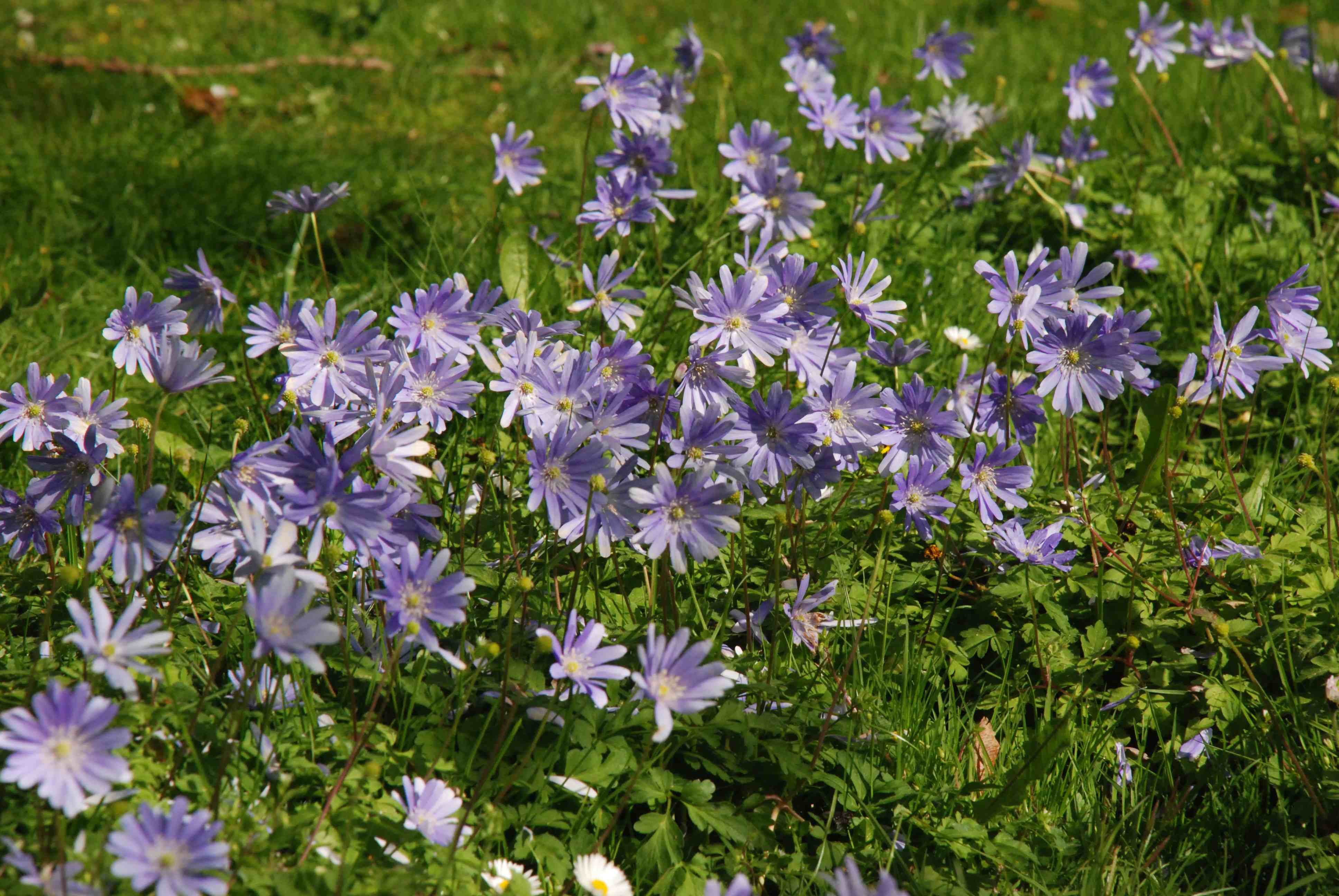
Anemone appenina thriving in the shade of the arboretum
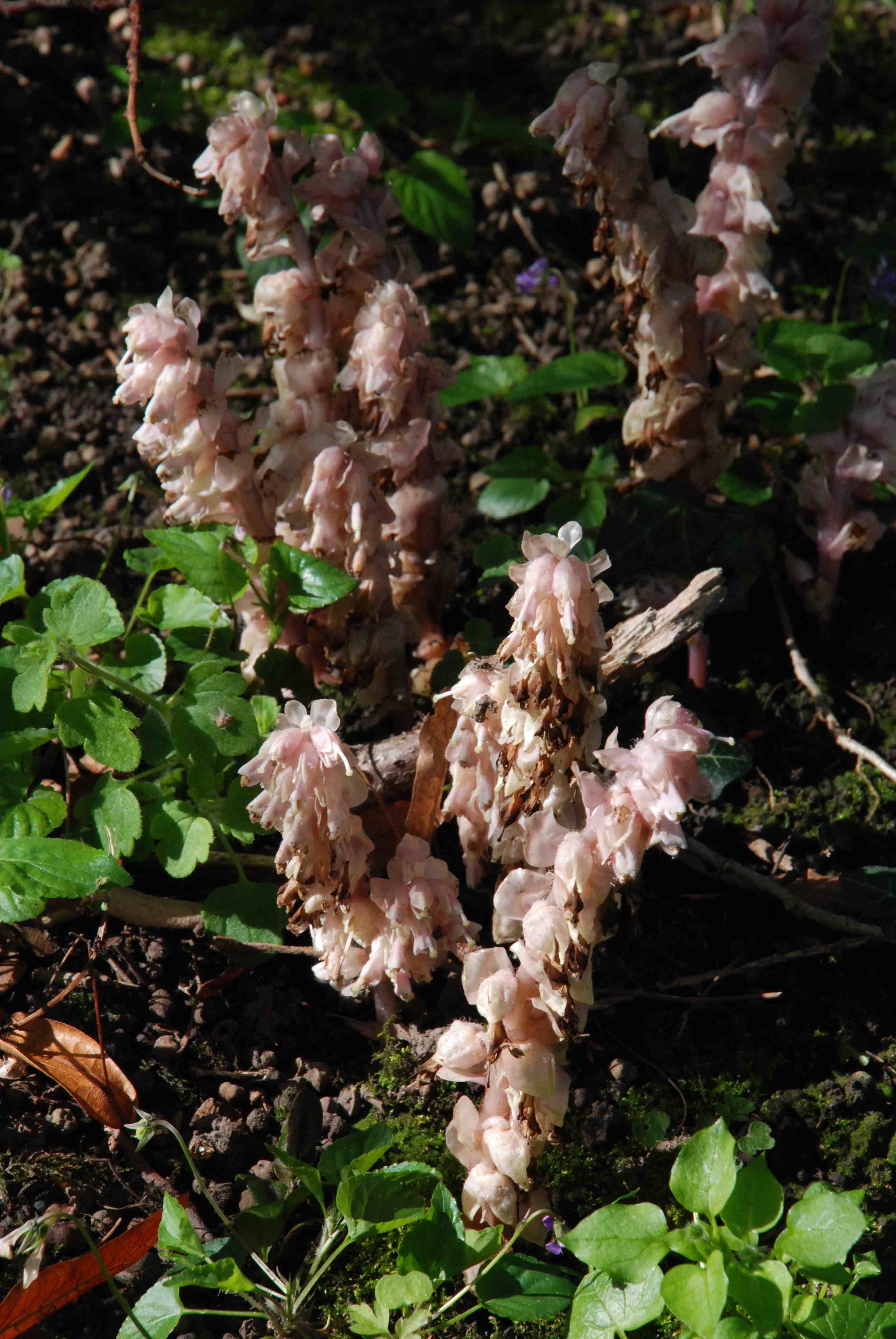
And under some of the trees was this parasitic orobanche (toothwort). I was not sure of the species but it was under box (buxus)
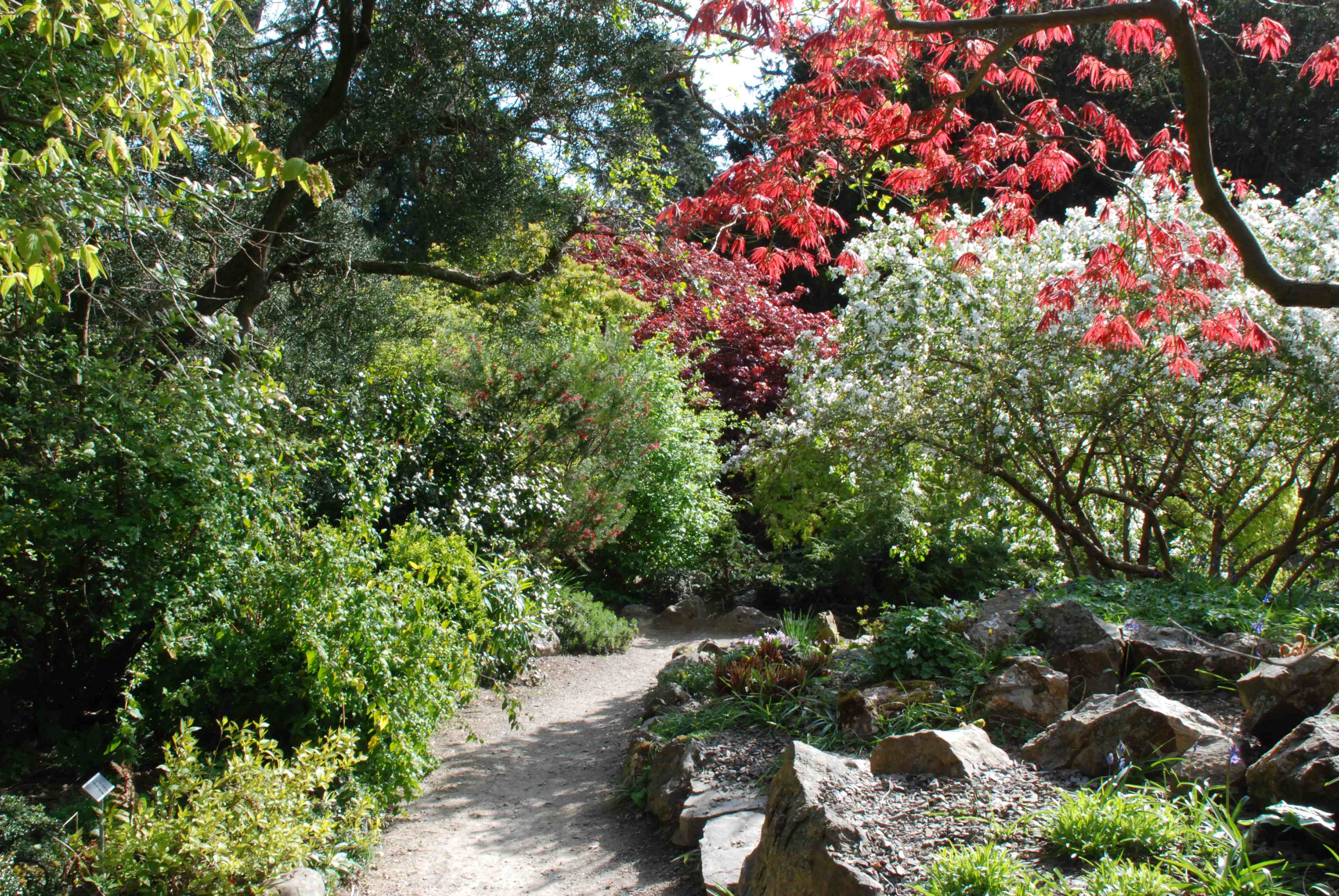
Japanese acers and white-flowered exochorda on the rock garden
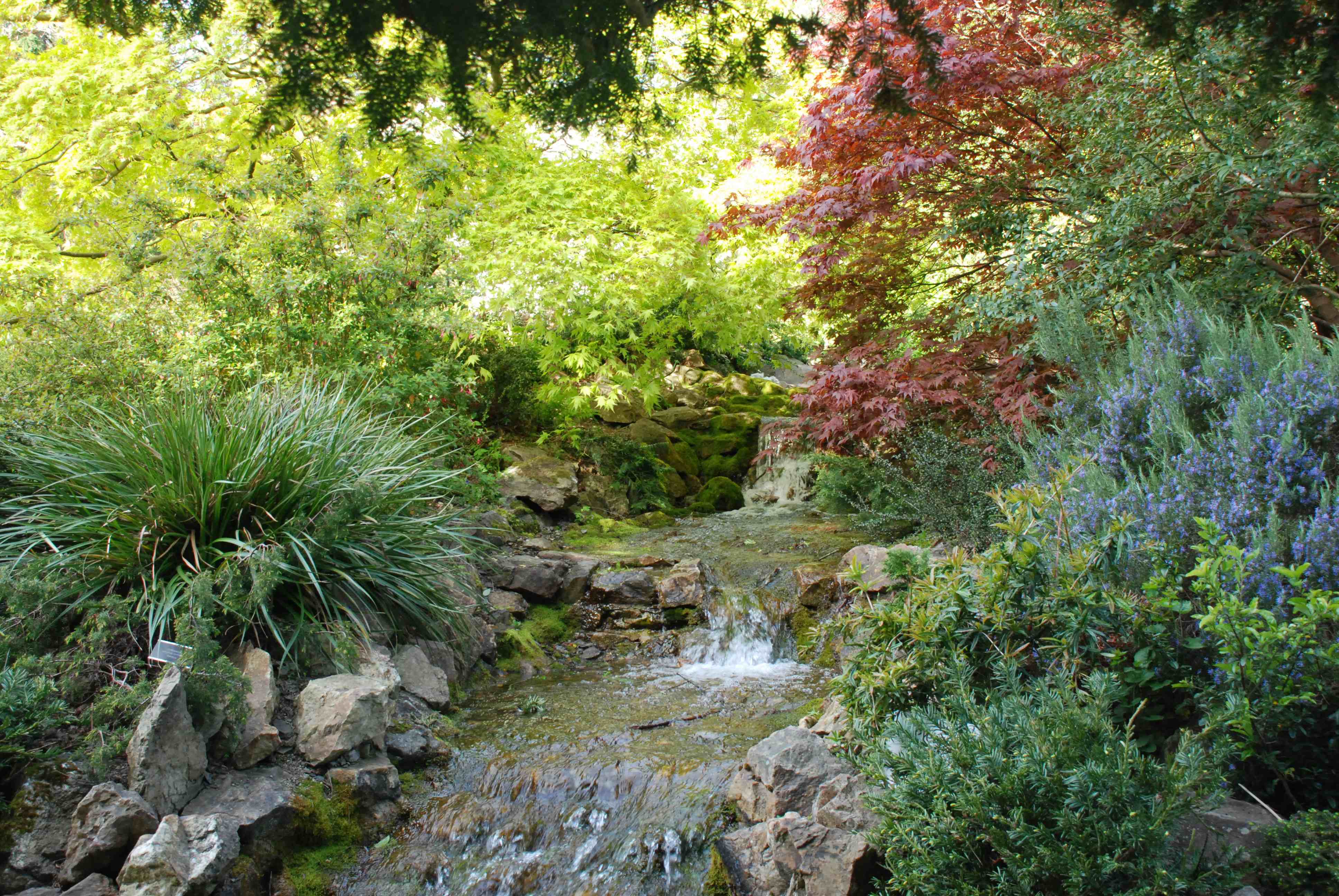
And from the other direction
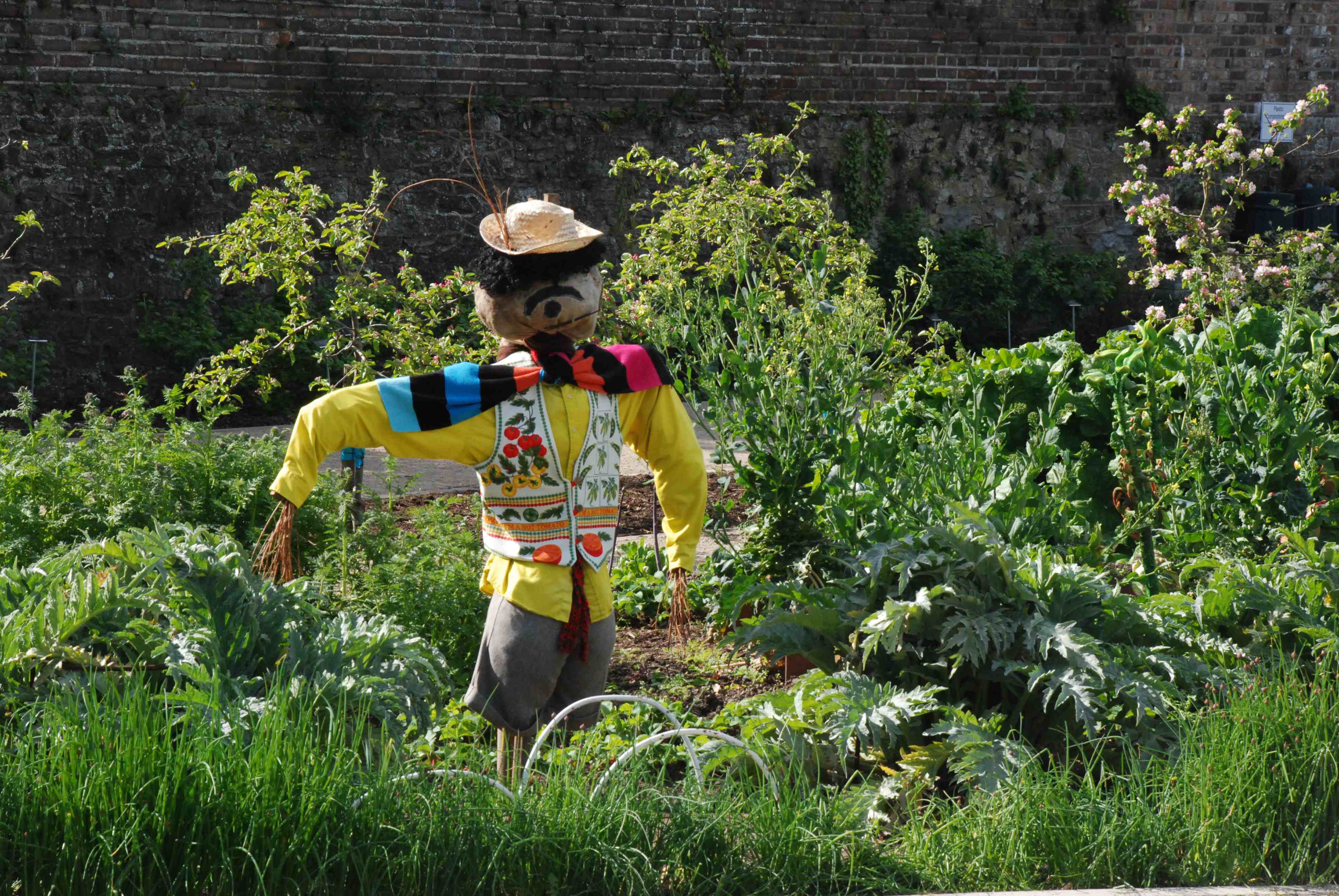
Guarding the Kitchen garden

The garden has an extensive collection of Rhododendrons including the magnificent R. falconeri
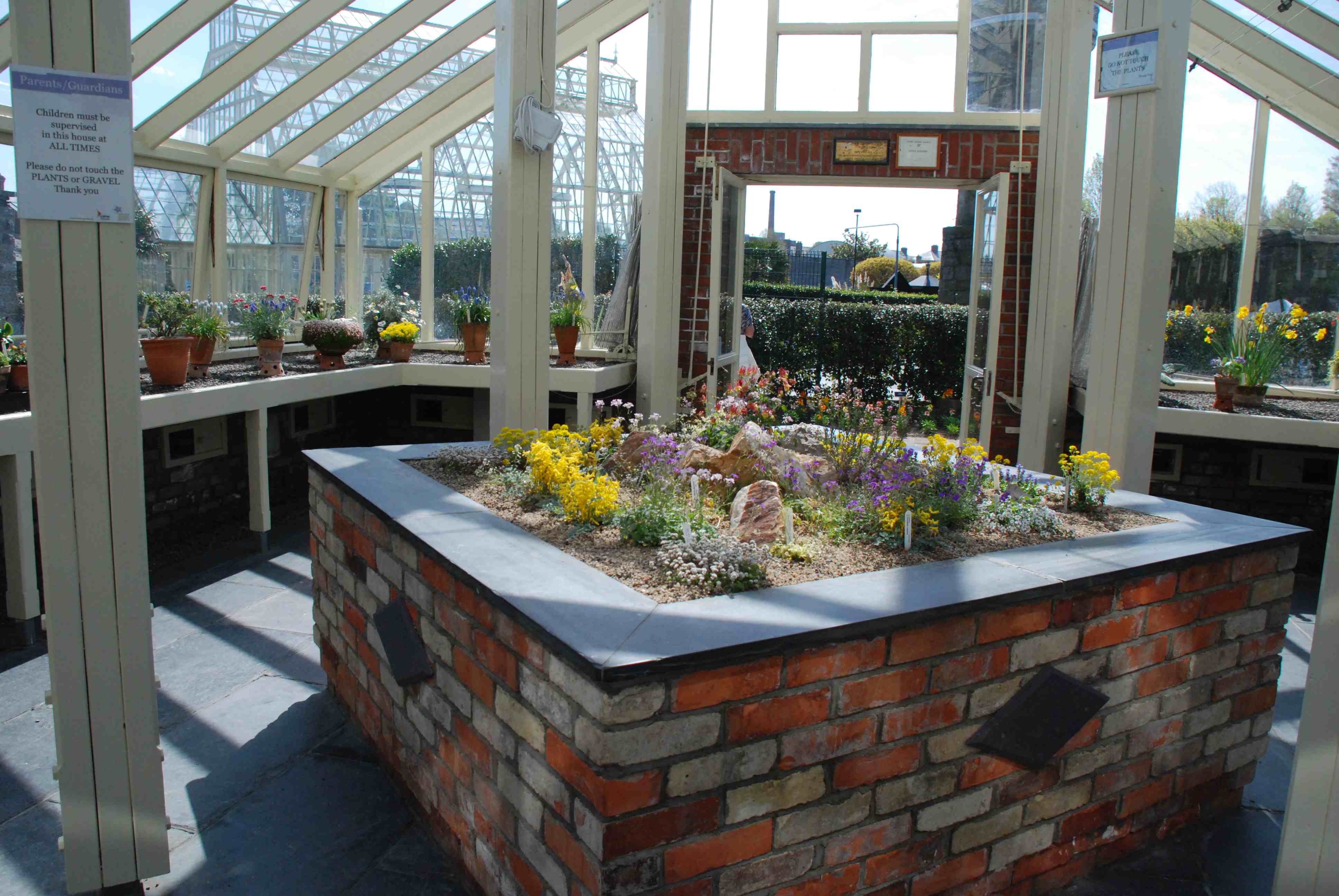
The alpine house was not the best I have ever seen and the contents were a bit ‘ordinary’ but there were some nicely displayed auriculas
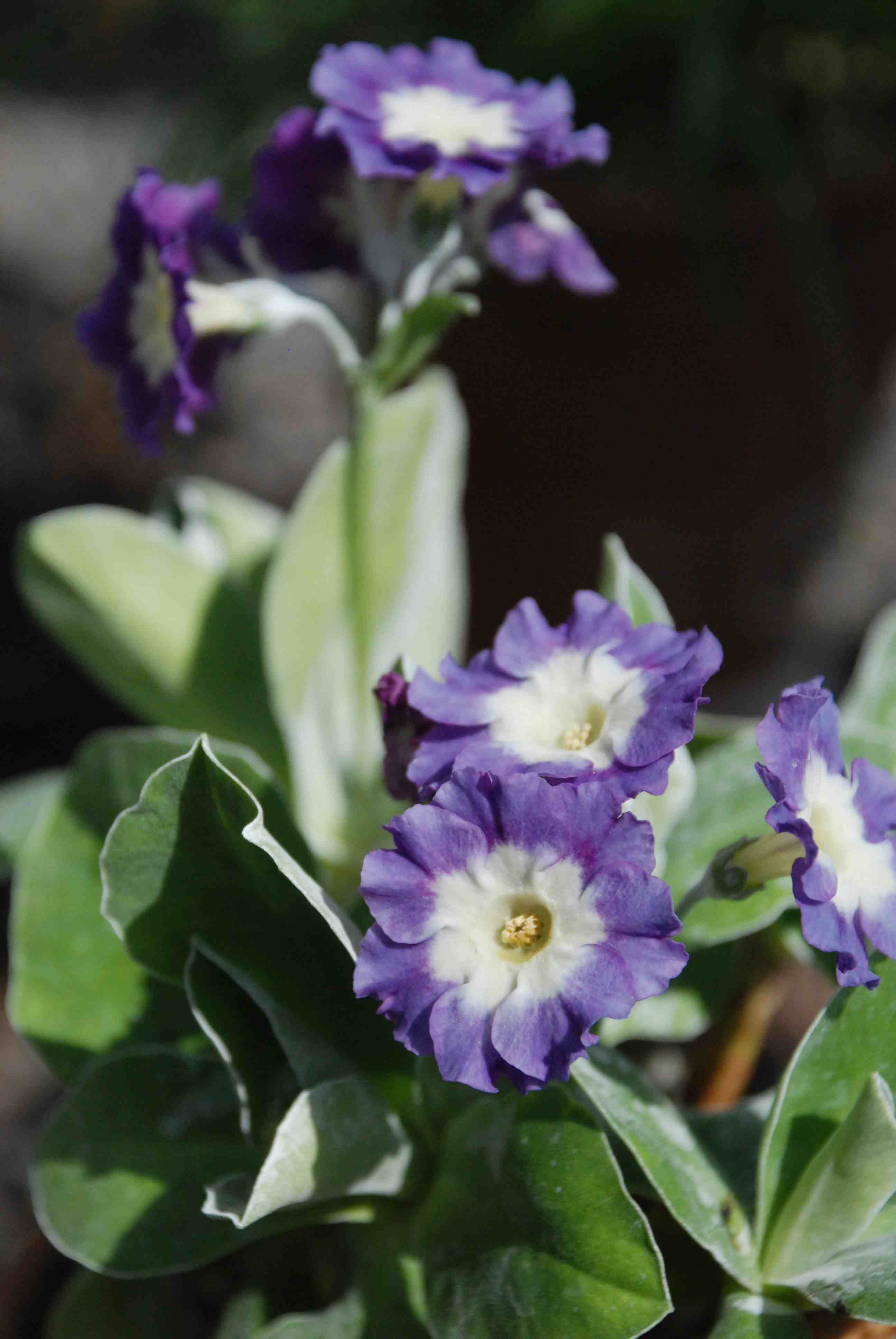
Such as ‘Irish Blue’
 The Biking Gardener
thank you very enjoyable on this wet Easter sunday . Happy Easter to you
Sorry to hear it is wet there – a sunny start here – so better do the watering!