Fading glory
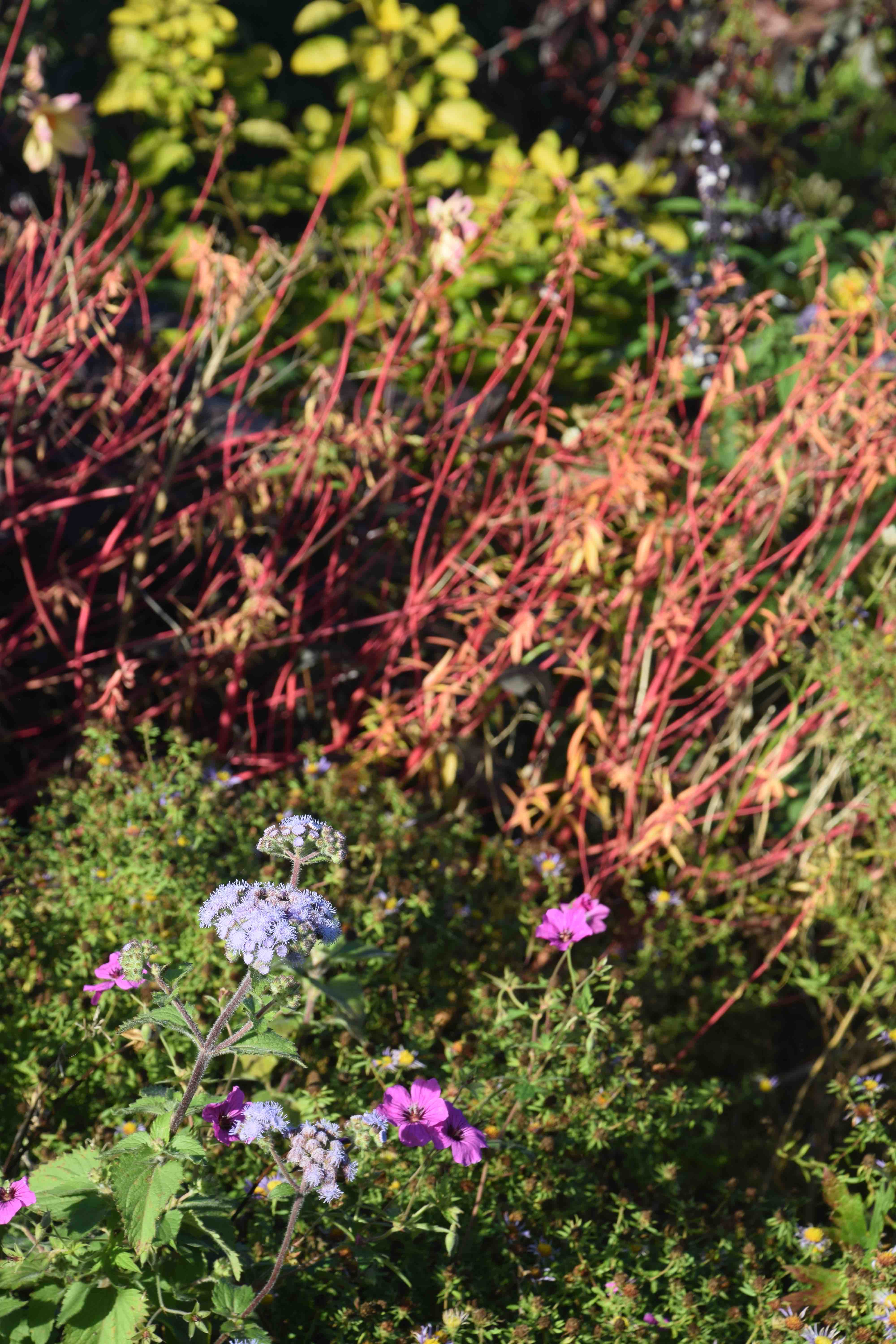
On Monday I mentioned some plants that save their performance till the end of the season. But colour is provided by a wide range of plants, if you look. Senescent stems and leaves are not as obviously bright and cheerful but there is beauty if you look. Bright sparks of colour from the last flowers of ageratum and geraniums add some contrast to the red stems of euphorbia and the lemon yellow of cotinus.
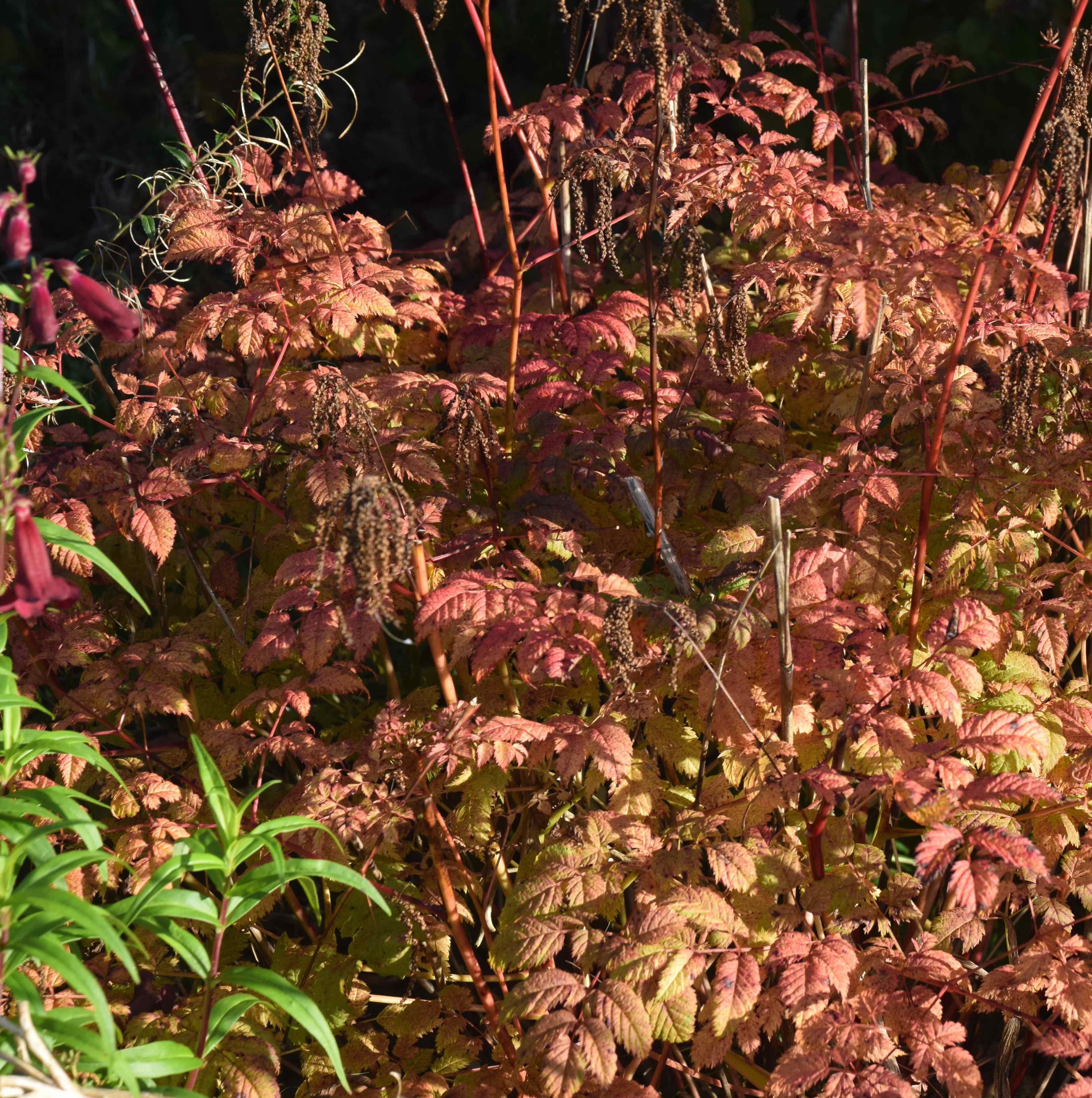
Aruncus is often suggested as an easy alternative to astilbes but the flowers, on taller stems, don’t quite compare, especially as they are cream, cream or cream and not the vivid colours of astilbes. But aruncus is much tougher and easier. The faded flower stems are attractive and make good fillers for cut flower bunches and it is now, as the foliage turns golds and orange, that the plant has yet another season of beauty. I think this is ‘Horatio’ and it deserves every centimetre of space it fills.
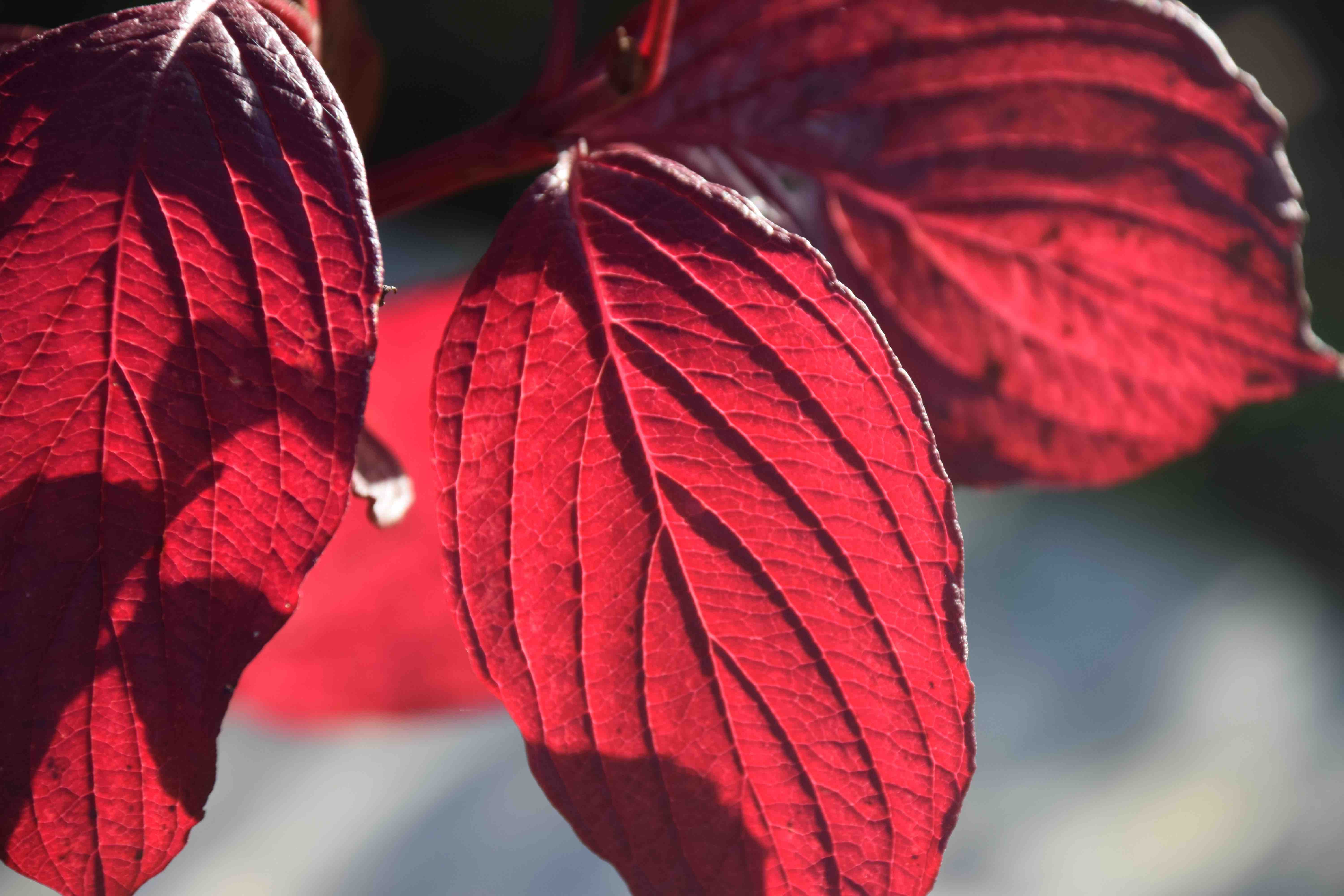
Cornus alba ‘Sibirica’ is a bit of a thug. I use it because it will grow where little else will grow, in wet, nasty soil. I have planted several other kinds, including ‘Baton Rouge’ but they are only a year old so I can’t judge them yet. ‘Sibirica’ is famously grown for the red, winter stems but the autumn colour is spectacular. It is fleeting but reliable and gorgeous.

It is time to pull up the annuals in the beds that are home to the hyacinths and tulips in spring so I can plant the bulbs. Most are looking awful and it is a relief to transfer them to the compost heap. But the annual clary (Salvia viridis) is still going strong. Not only are the colourful terminal leaves still bright, the stems are studded with the small, lavender and white flowers, much to the delight of the hardy bees.

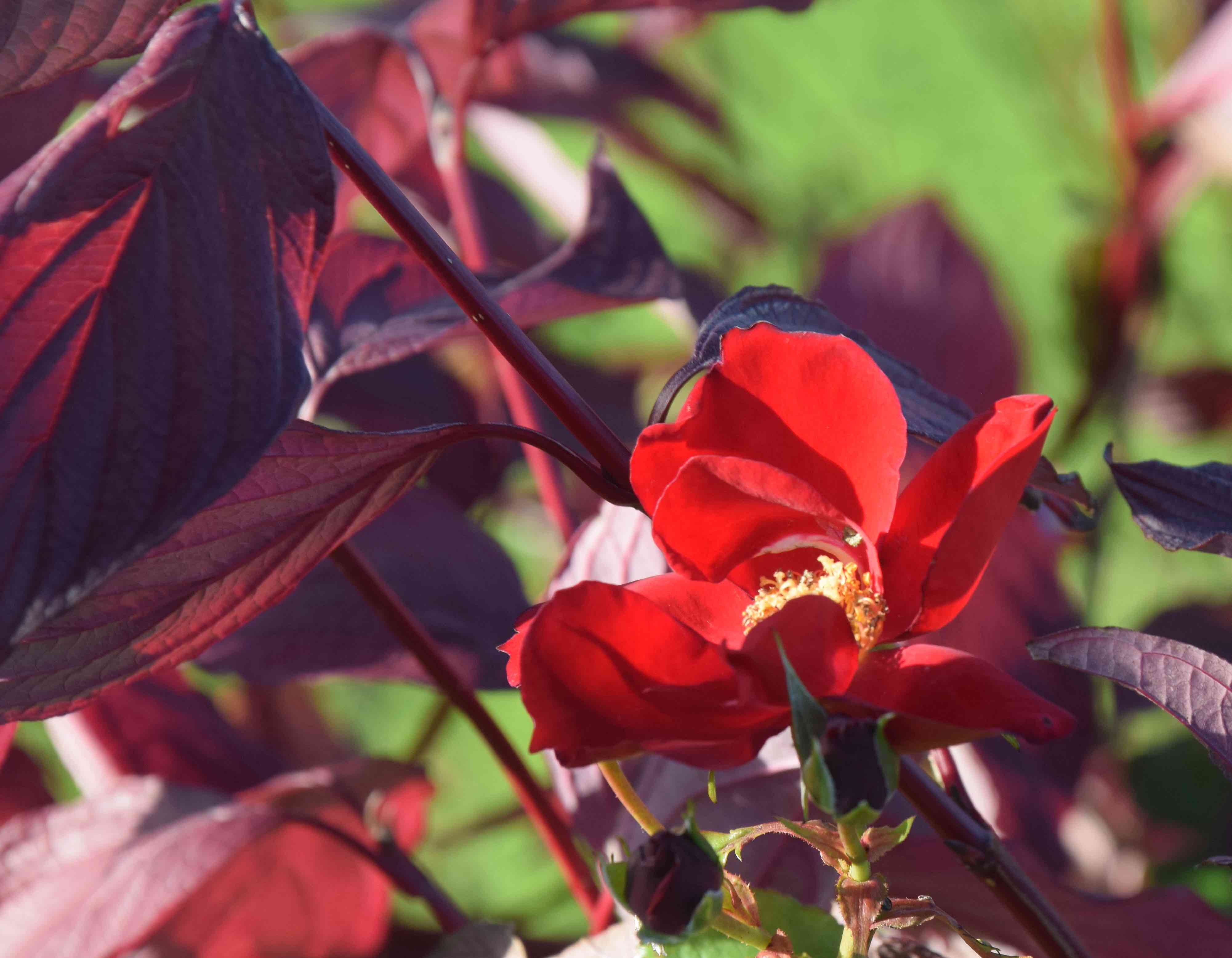
And the roses keep trying. I bought ‘W B Yeats’ on a whim, not something I often do, and it is not really a rose I would usually buy. The flowers are searing scarlet and have little scent. But it is compact, flowers on and on and it seems very resistant to disease. I have not treated it with the care that the other roses enjoy and it has not sulked or had any moody behaviour and every new bloom is as pristine and bright as any it produced in summer.
 The Biking Gardener
Autumn… some would say the best time in the garden…
It is a time of the year when we make more effort, I think, to seek out little things of interest and we appreciate them all the more for their scarcity. Autumn colour is coming along though much foiiage has been blown from the trees. Everywhere is wet, saturated, mucky but we spent a full day in the garden yesterday, working from paths only as the grass areas are too soft for walking on.