Cashel and The Rock
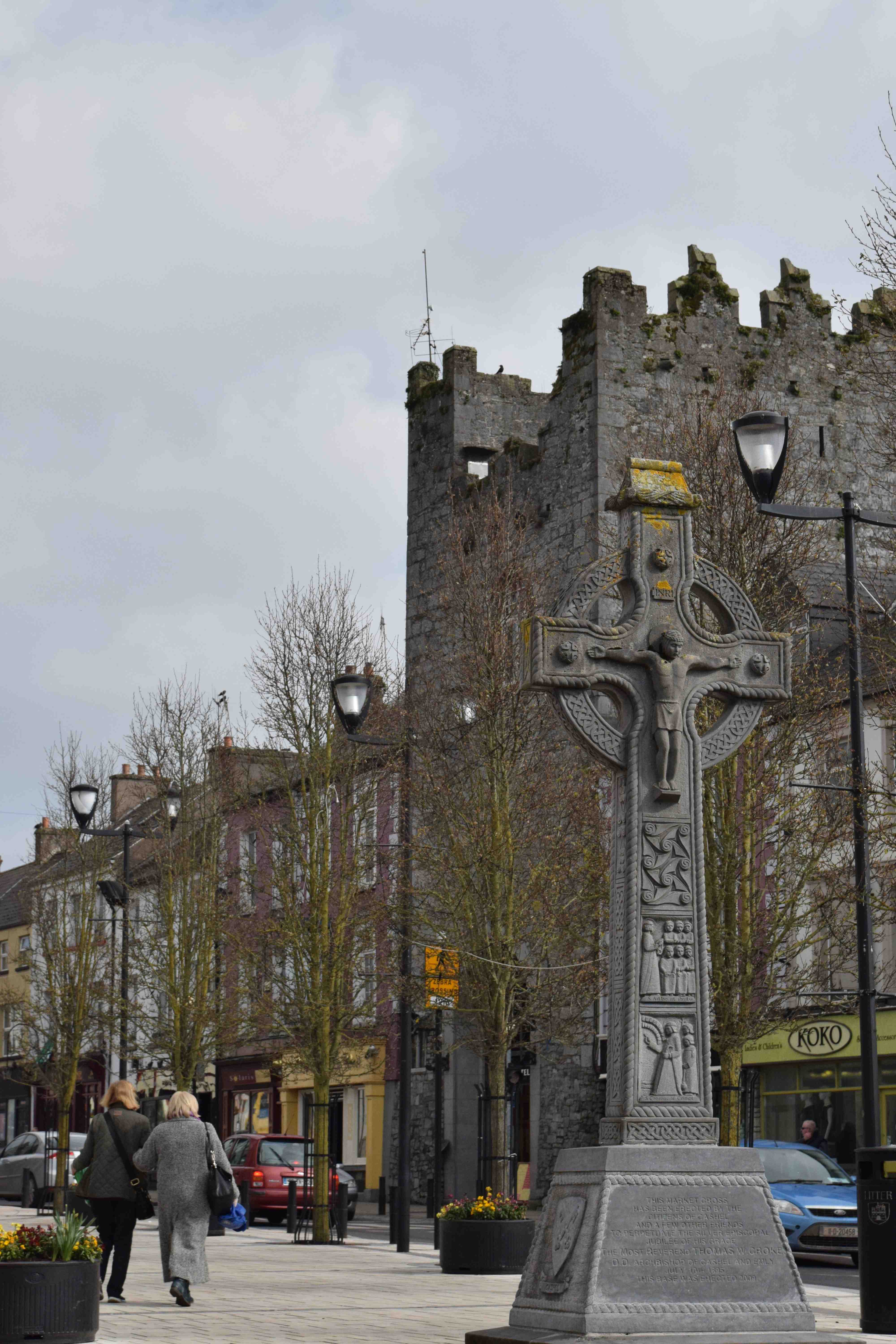
Somehow I had not really registered the town of Cashel, apart from its famous cheese* until my trip to Kerry. Meaning just a short detour from my main route it seemed rude not to have a look. Cashel is a charming town that lies in the shadow, almost literally and historically, of the Rock of Cashel, the reason most people visit this town in Tipperary.
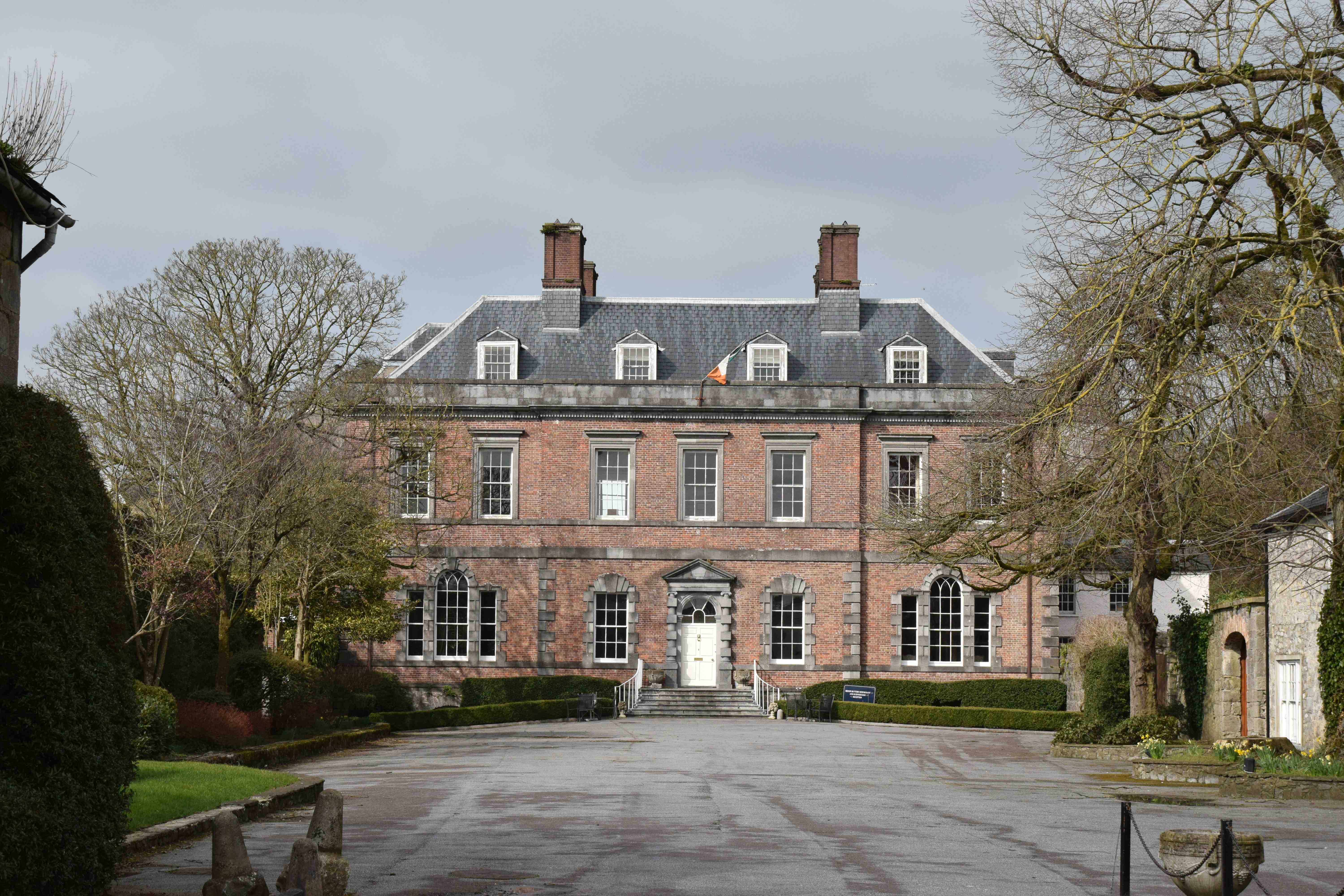
The town itself is very attractive and one of the main sights on the main street is the Cashel Palace Hotel, set behind impressive gates. The Queen Anne-style building was built for the protestant Archbishop of Cashel, the marvelously named Theophilus Bolton, in 1730. The architect was Sir Edward Lovett Pearse. He also designed the Houses of Parliament on Dublin’s College Green which is now the Bank of Ireland. As well as being a magnificent building, the garden is significant as the site of the oldest mulberry trees in Ireland and hops from here were first used by Richard Guinis in 1740 to brew the first Guinness. The palace was sold by the church and made into a luxury 20 bedroom hotel in 1962. Sadly, it ceased trading in January this year and was for sale. I am not sure if it has been sold or if it is open now.
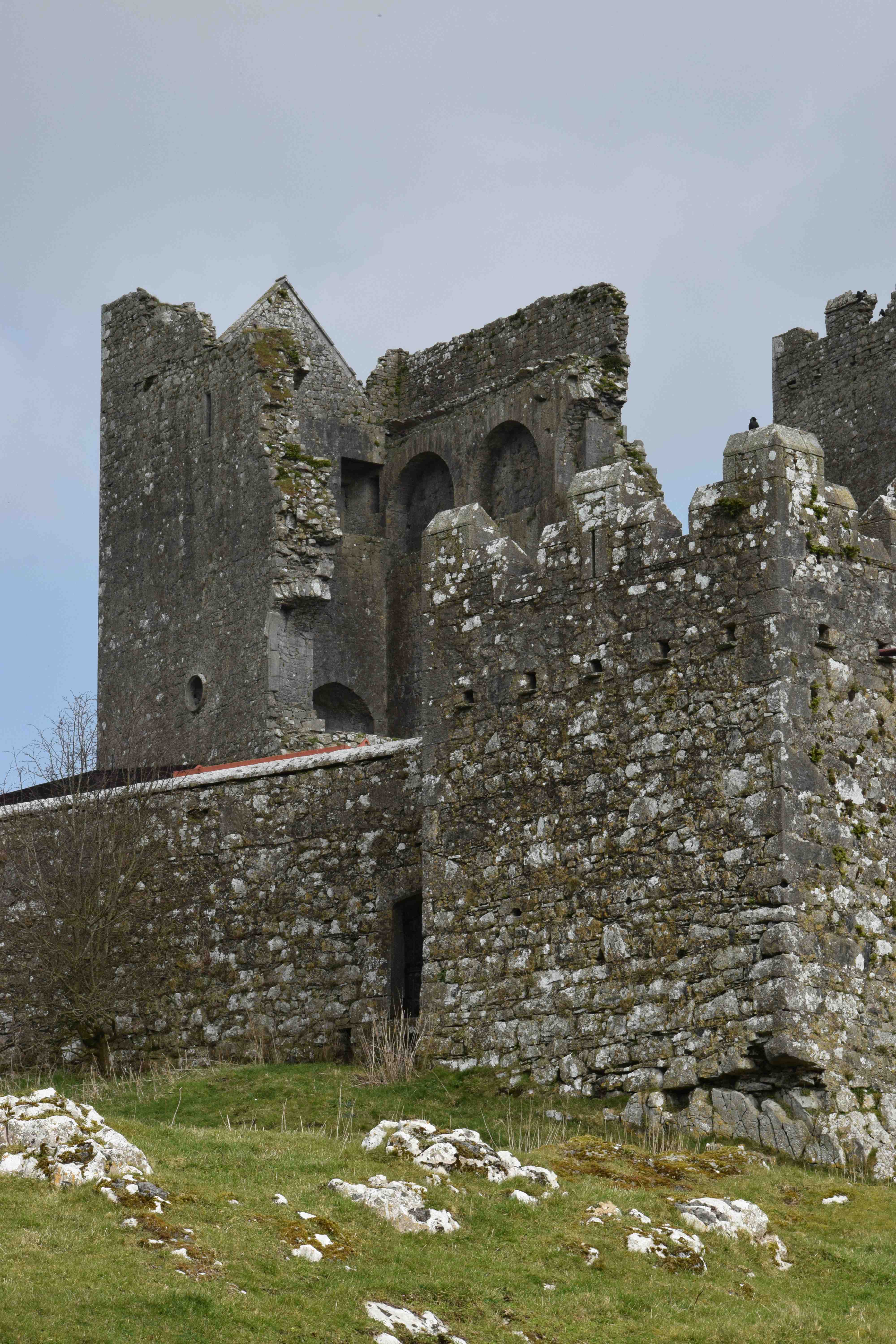
The rock itself dominates the town and is a massive hill with a flattish top that has been a sacred site since the 9th century. It was in the early 12th century that it became a centre of Christian worship.
Muirchertach O’Briain, (King Cormac Mac Carthaigh) king of Munster, gave the Rock of Cashel to the church in 1101 and the oldest extant building, the 28m high round tower, dates from this period. The other two important buildings are Cormac’s Capel and the Cathedral.
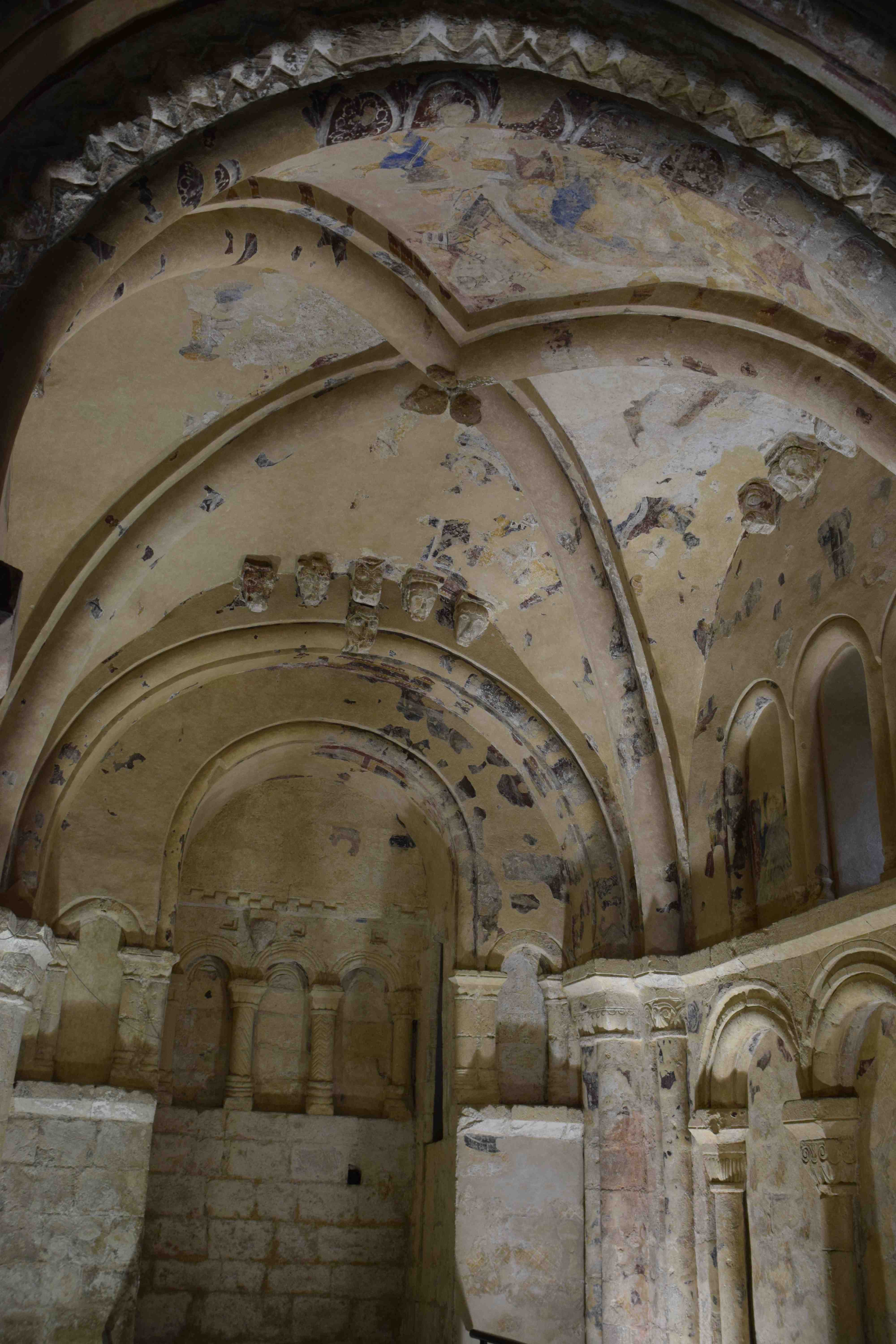
Cormac’s Chapel is a Romanesque church, consecrated in 1134 and contains the oldest Romanesque wall paintings in Ireland. They were covered with whitewash in the 16th century and were only uncovered in the 1980s. They are thought to date from 1160s and depict the nativity and were thought to have been painted by the French or English.

The cathedral itself is an imposing structure without a roof and dates from 1235. It is cruciform in plan.
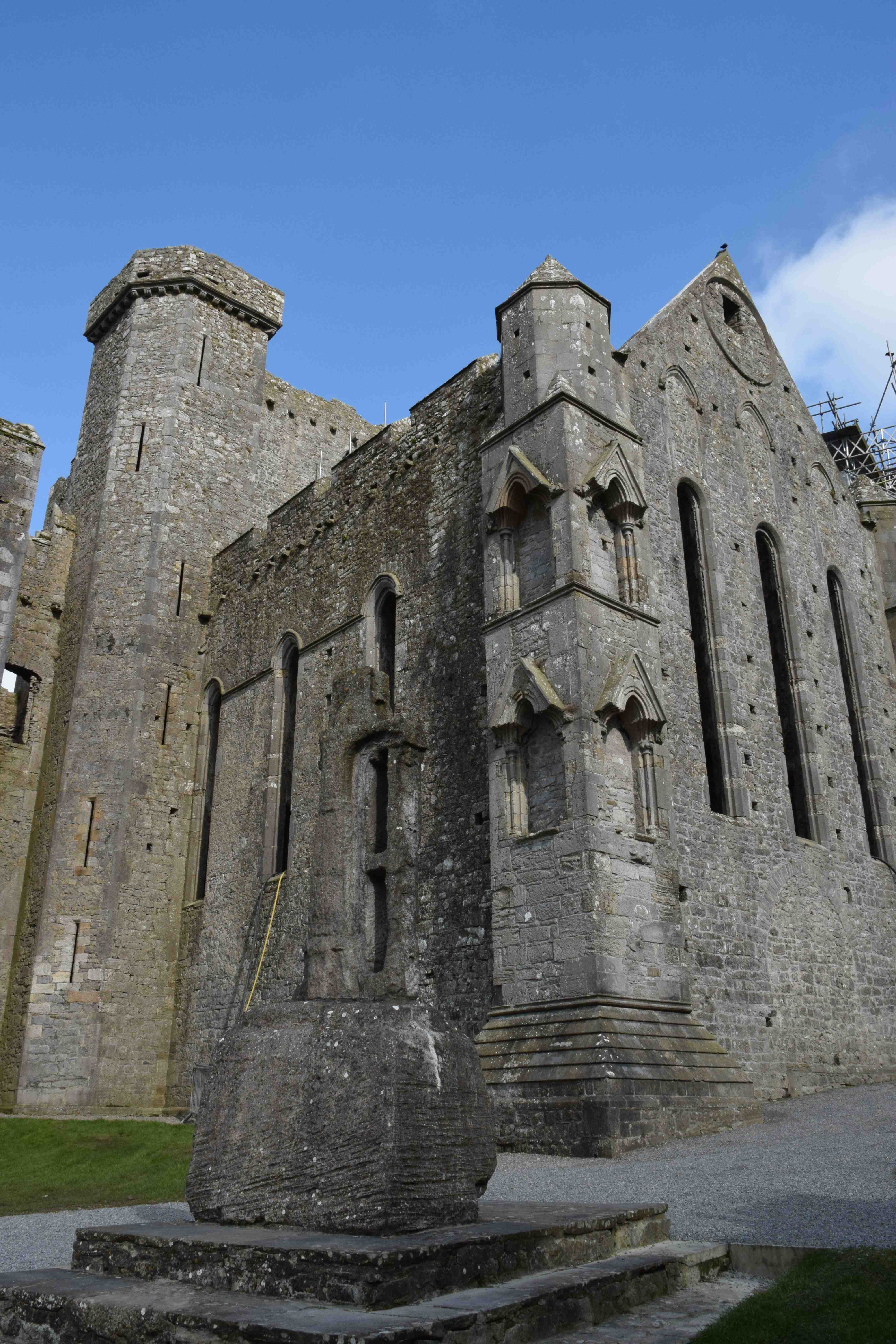

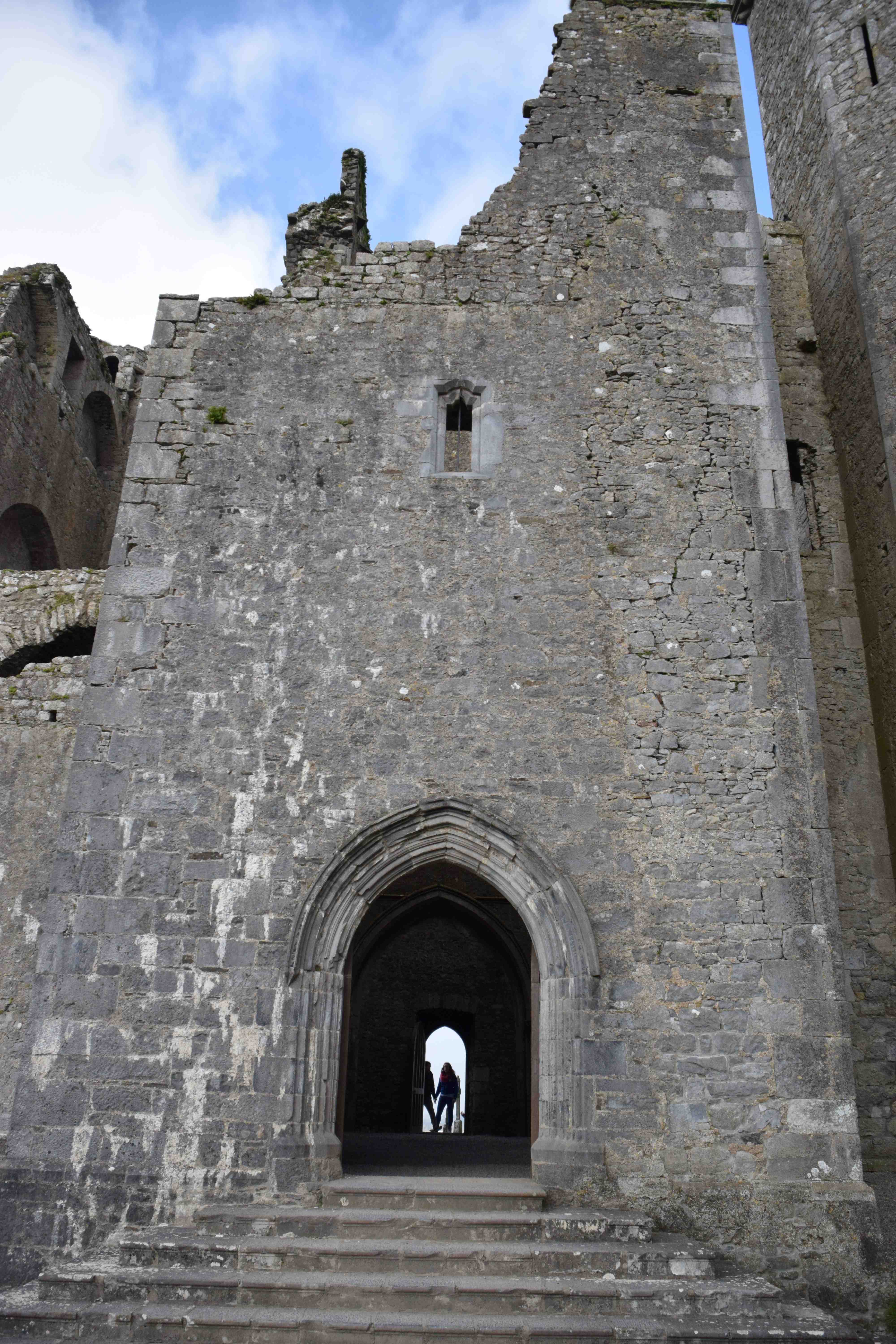
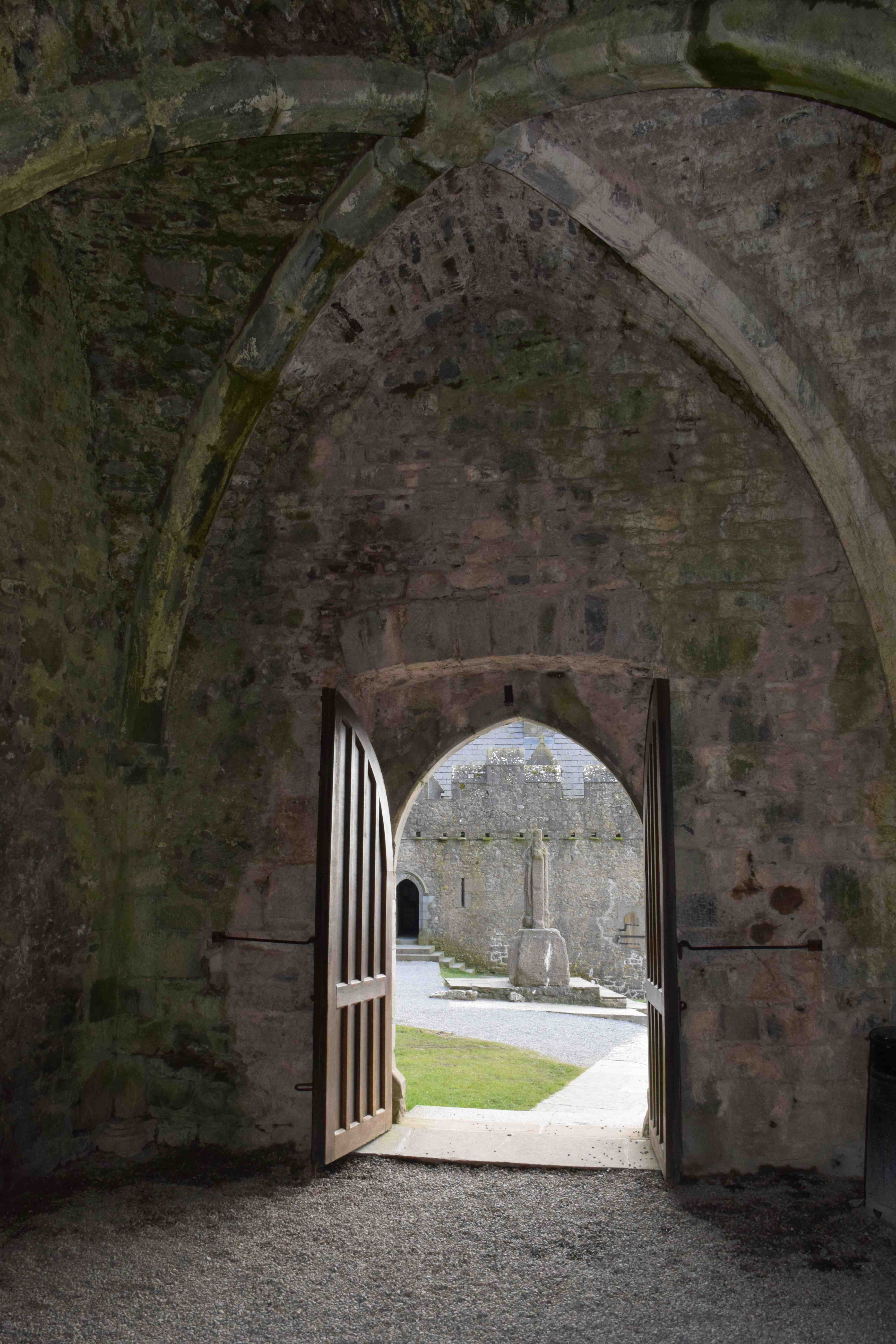

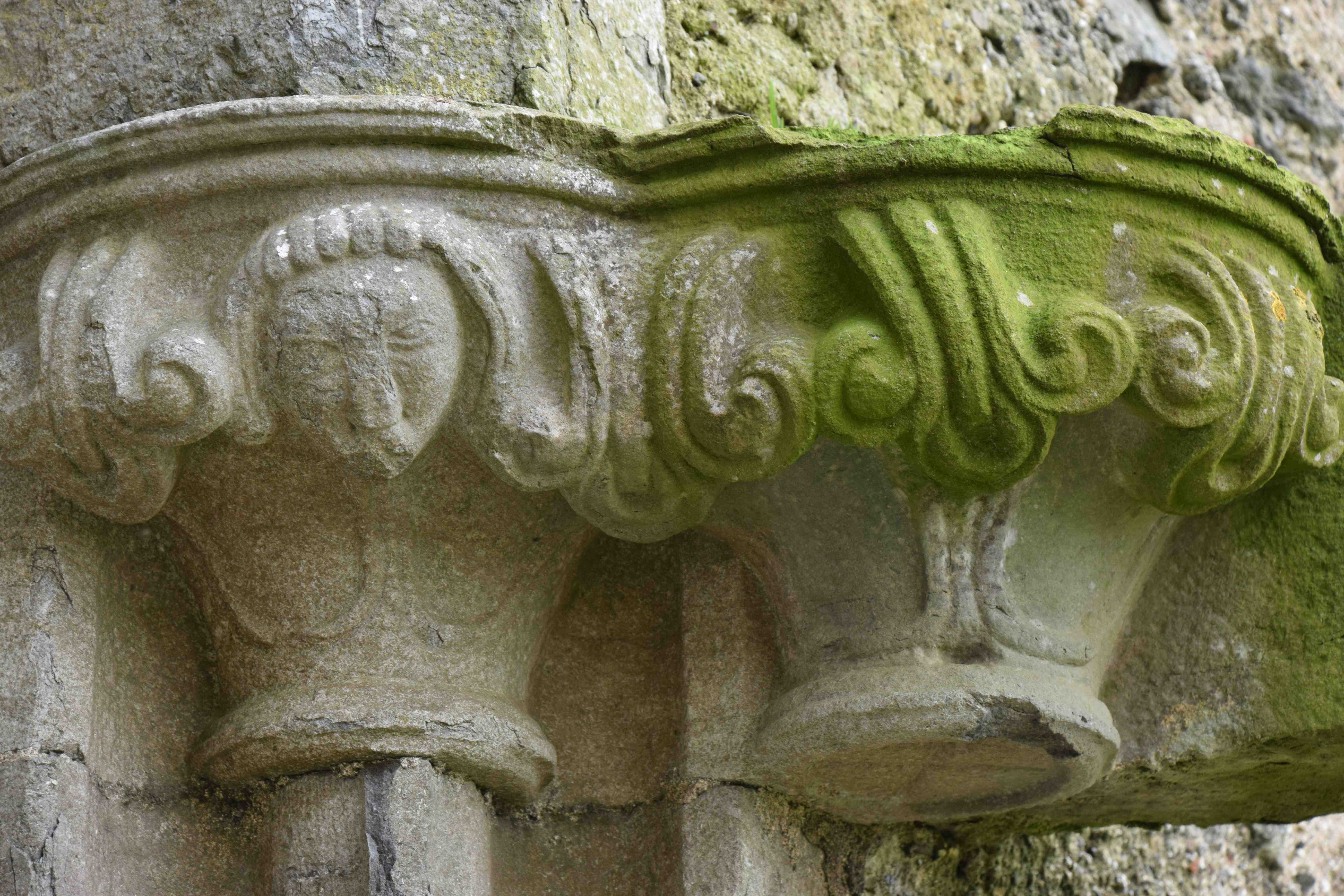
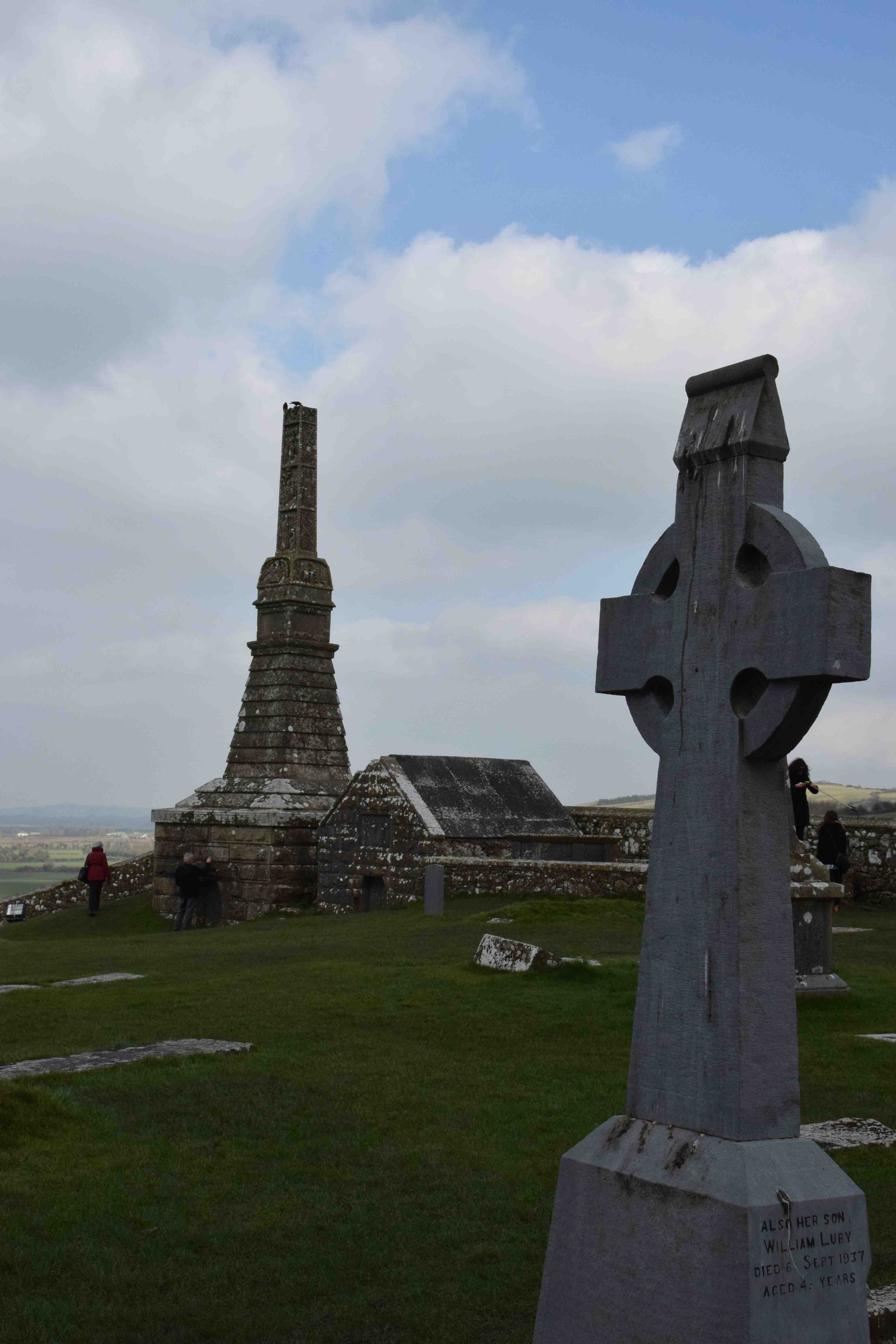
Around this are many graves and in fields below the rock stand the ruins of the Dominican Friary, dating from 1243.

Admission is €7 (if I remember correctly). There are no refreshments on site. There is a bit of a lack of signage and the explanatory video, that you should try to watch first to try to understand the site, is fairly dire. The place is extraordinary but the staff and service is very mediocre. Don’t let that put you off a visit. There is a car park at the base of the rock – you need change for this – but it is easy to park in town and walk to the rock. Don’t be put off having to walk through what appears to be a housing estate – you are going the right way!
* Cashel Blue is a delicious blue cheese from Tipperary
 The Biking Gardener
No comments yet.